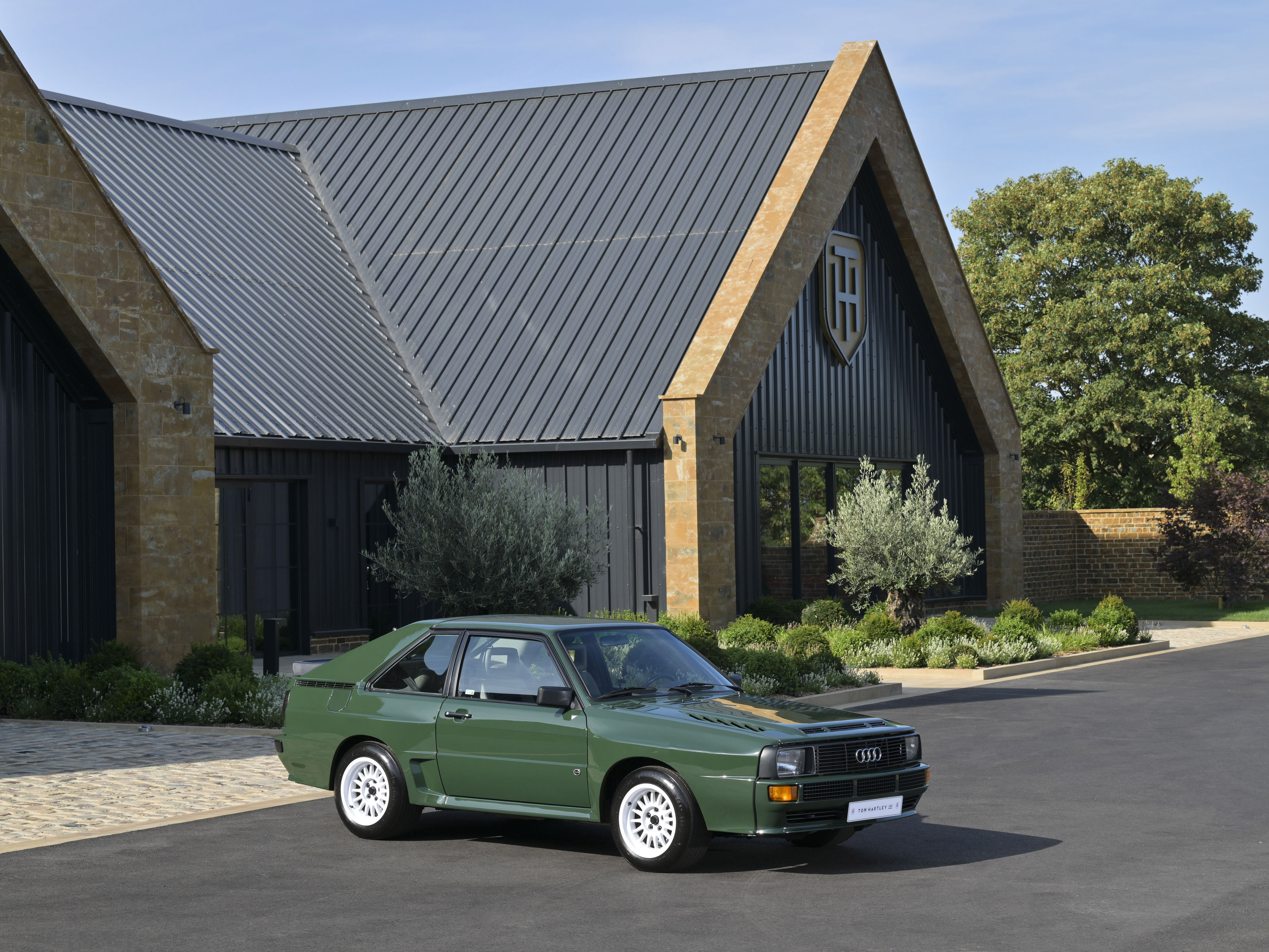
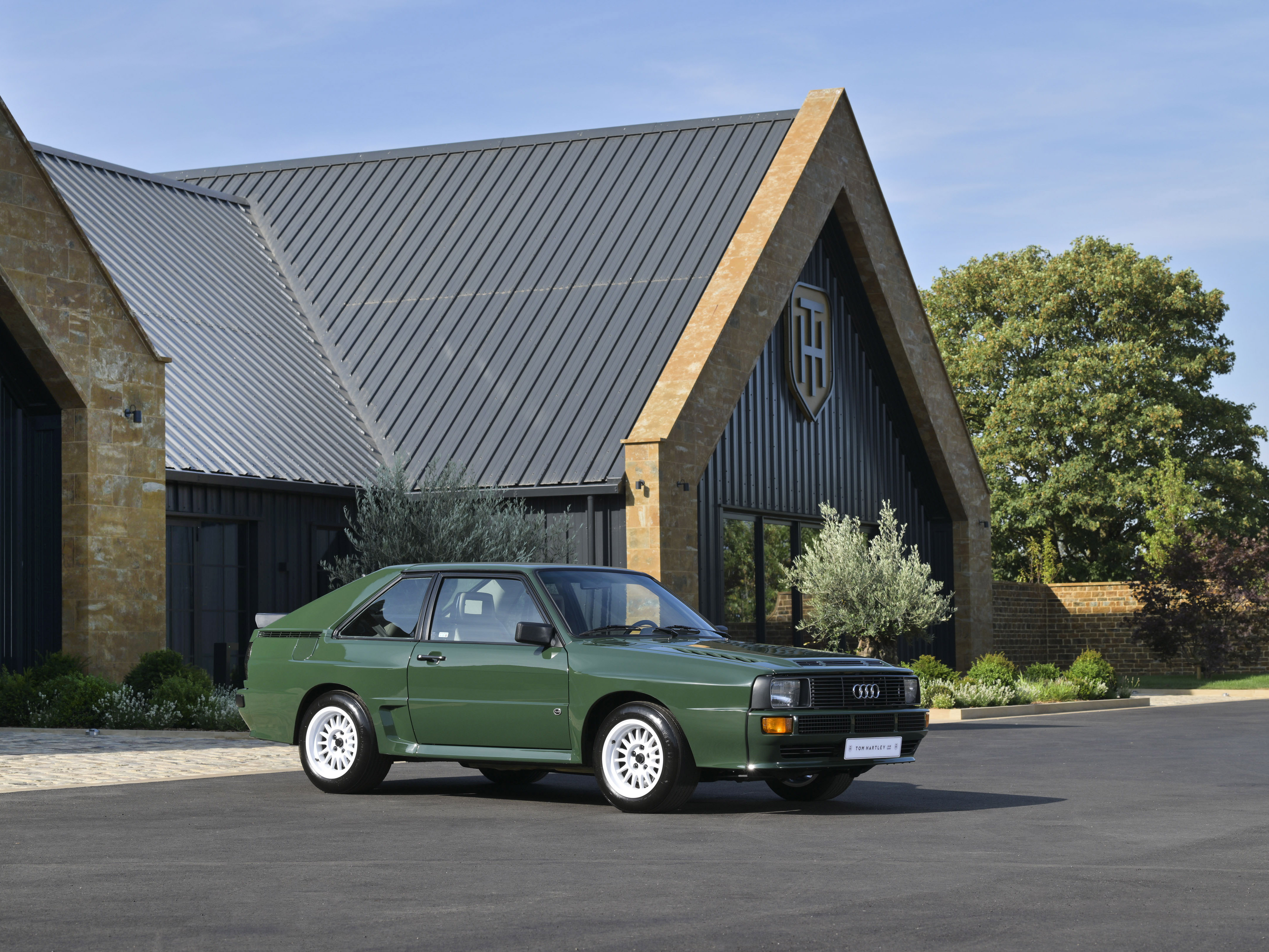
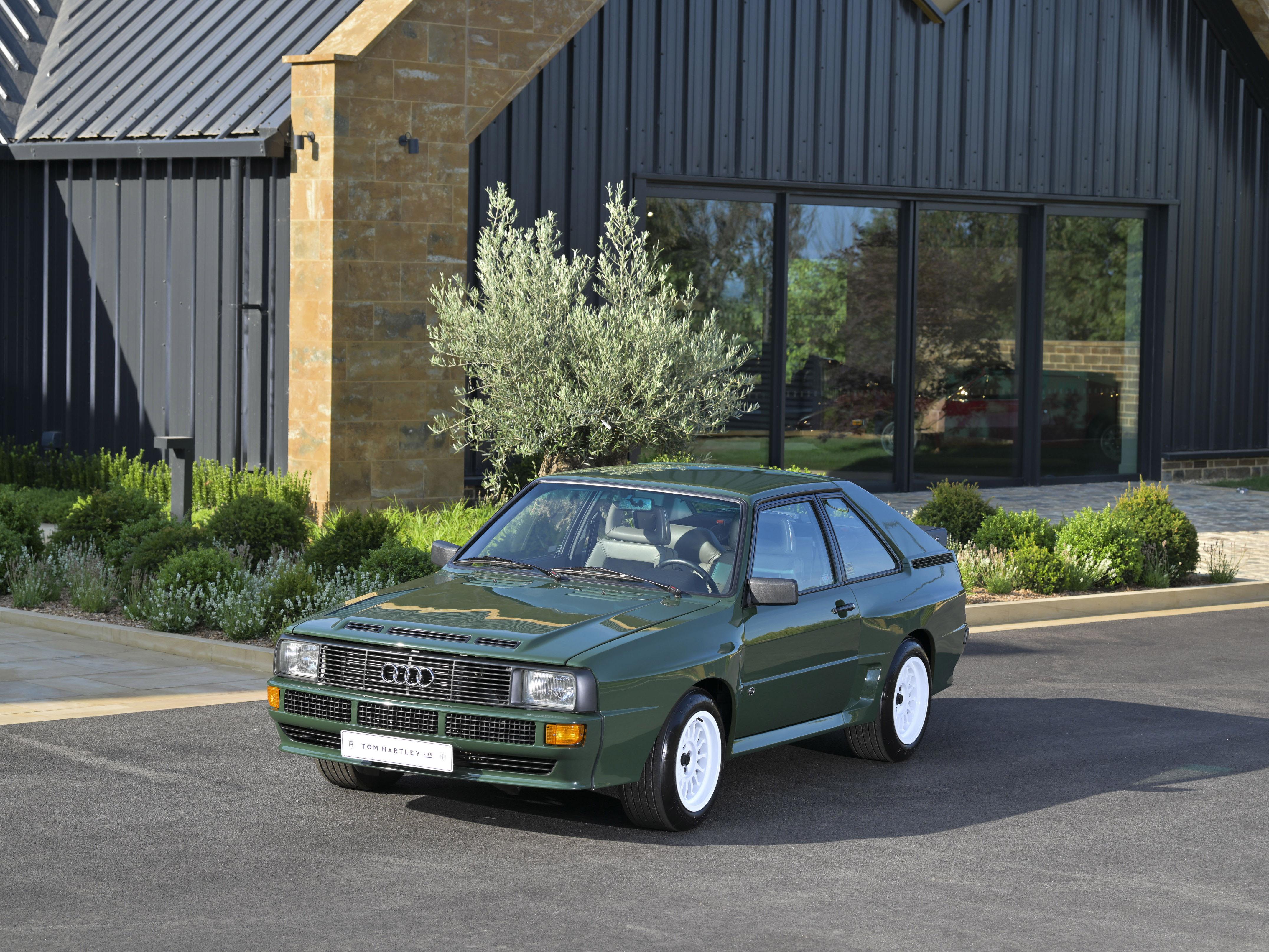
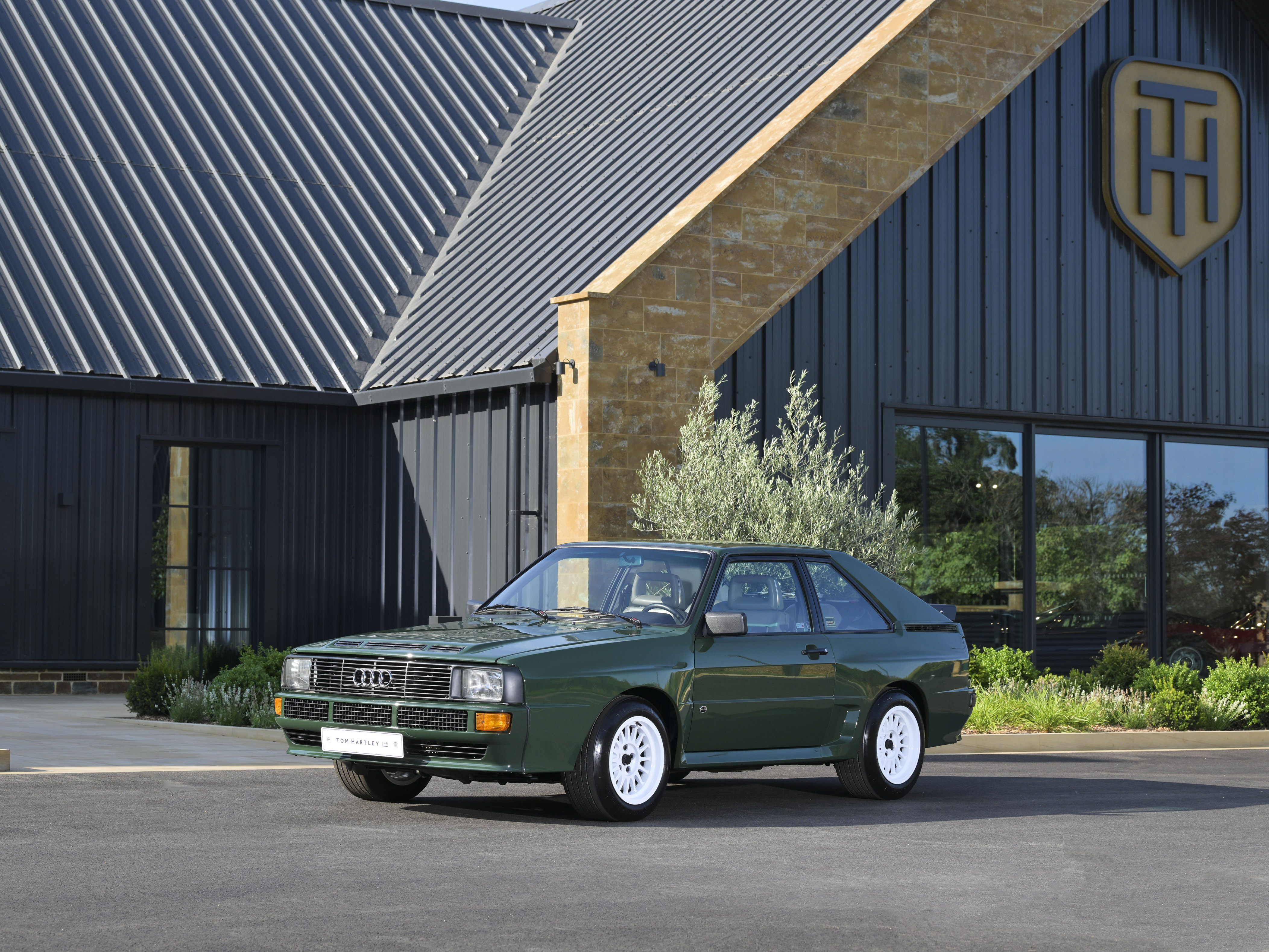
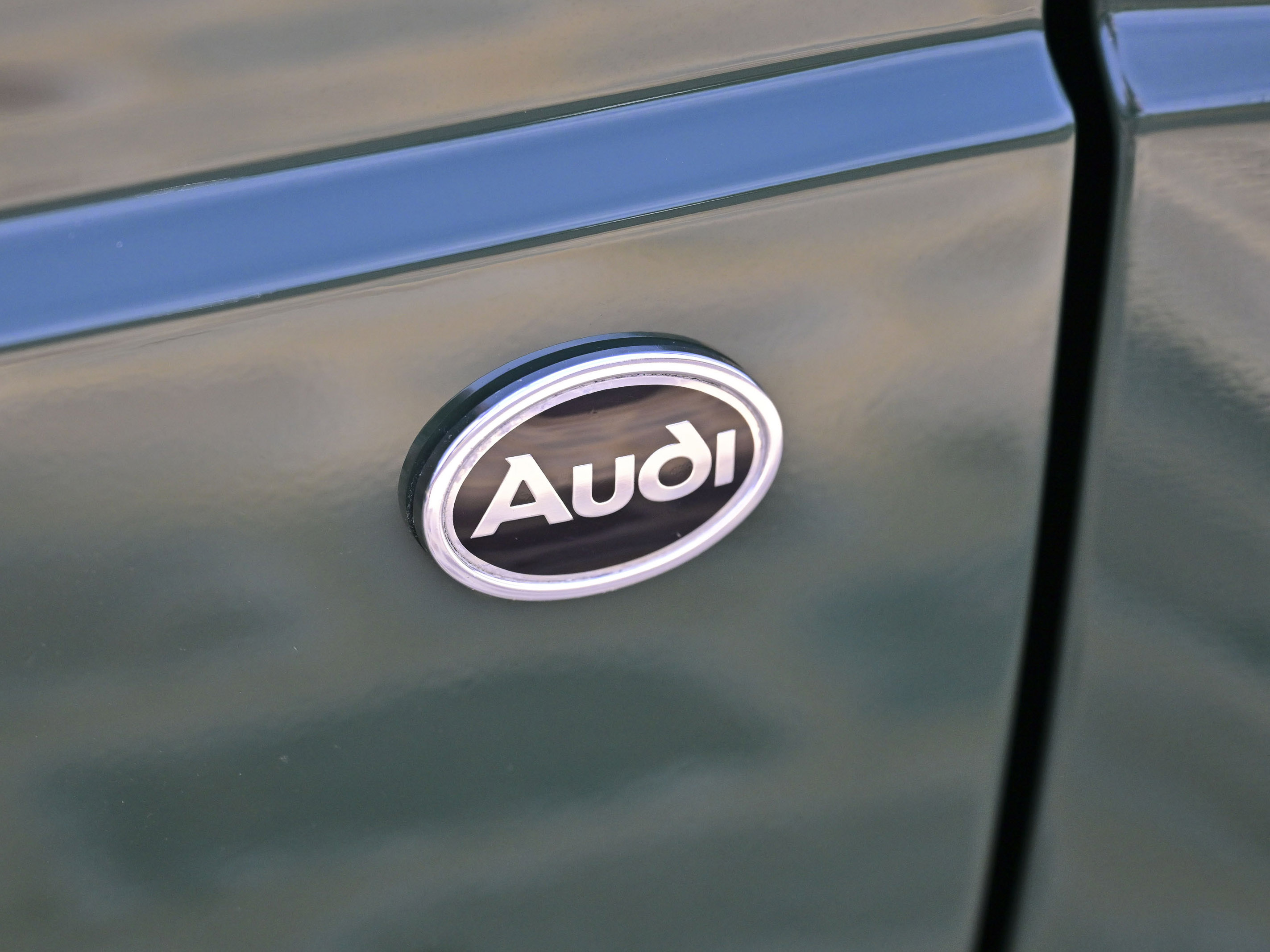
Few cars have altered the course of automotive history as profoundly as the Audi Quattro. More than simply a successful rally car, it transformed the way the world thought about performance, proving that four-wheel drive belonged not only on loose surfaces, but at the very highest level of international motorsport. The concept revolutionised the World Rally Championship and inspired an entirely new generation of high-performance road cars.
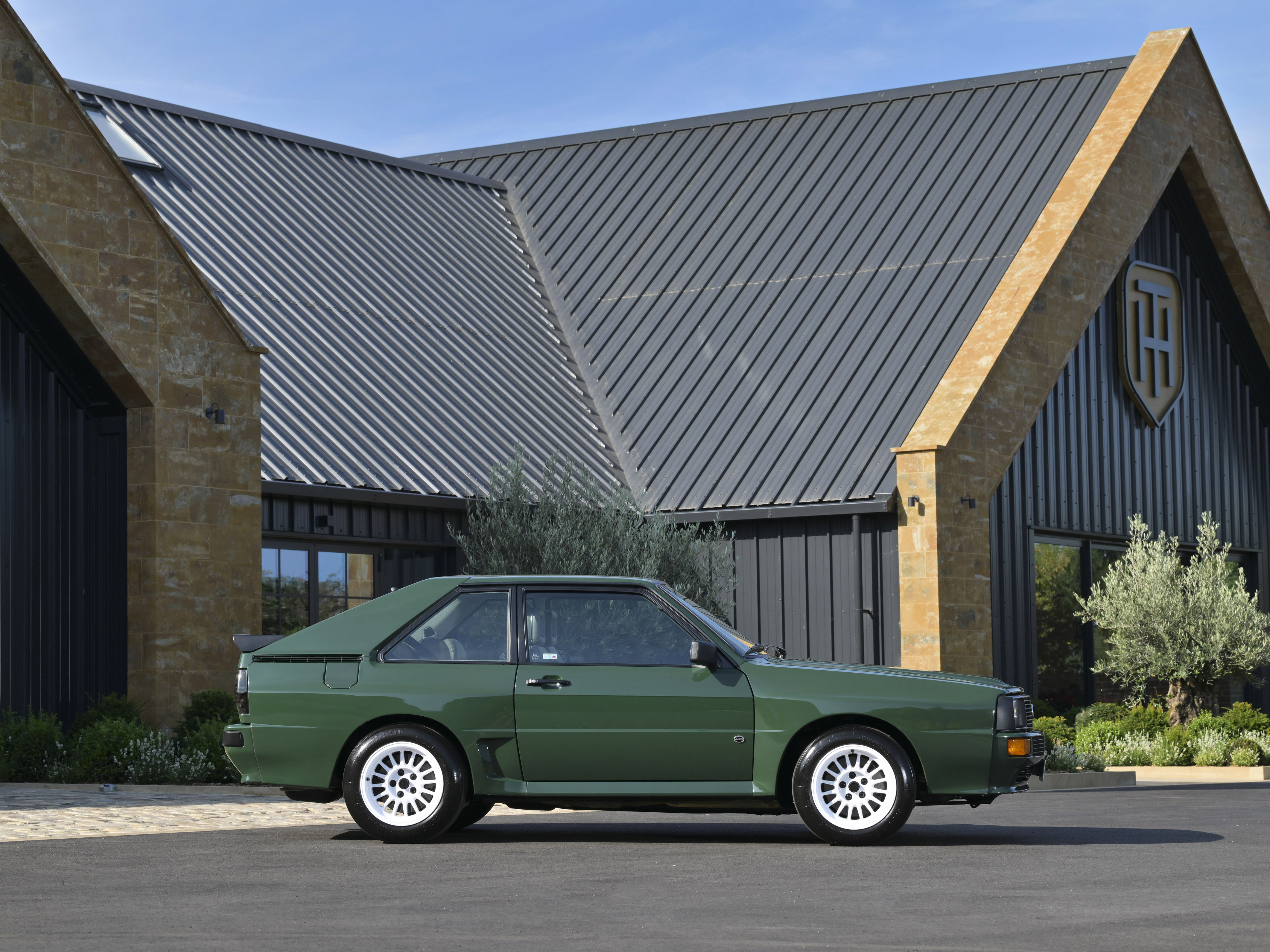
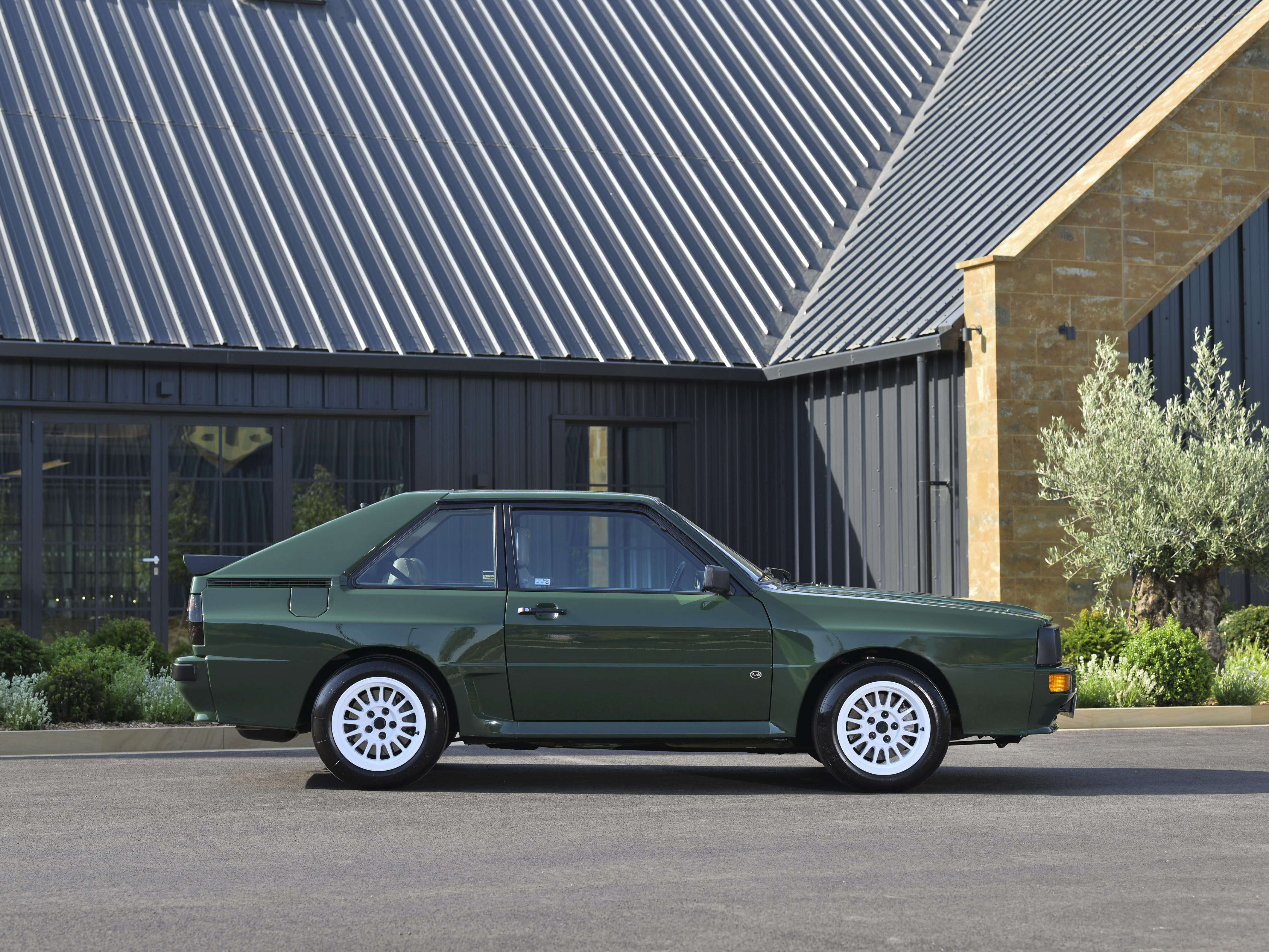
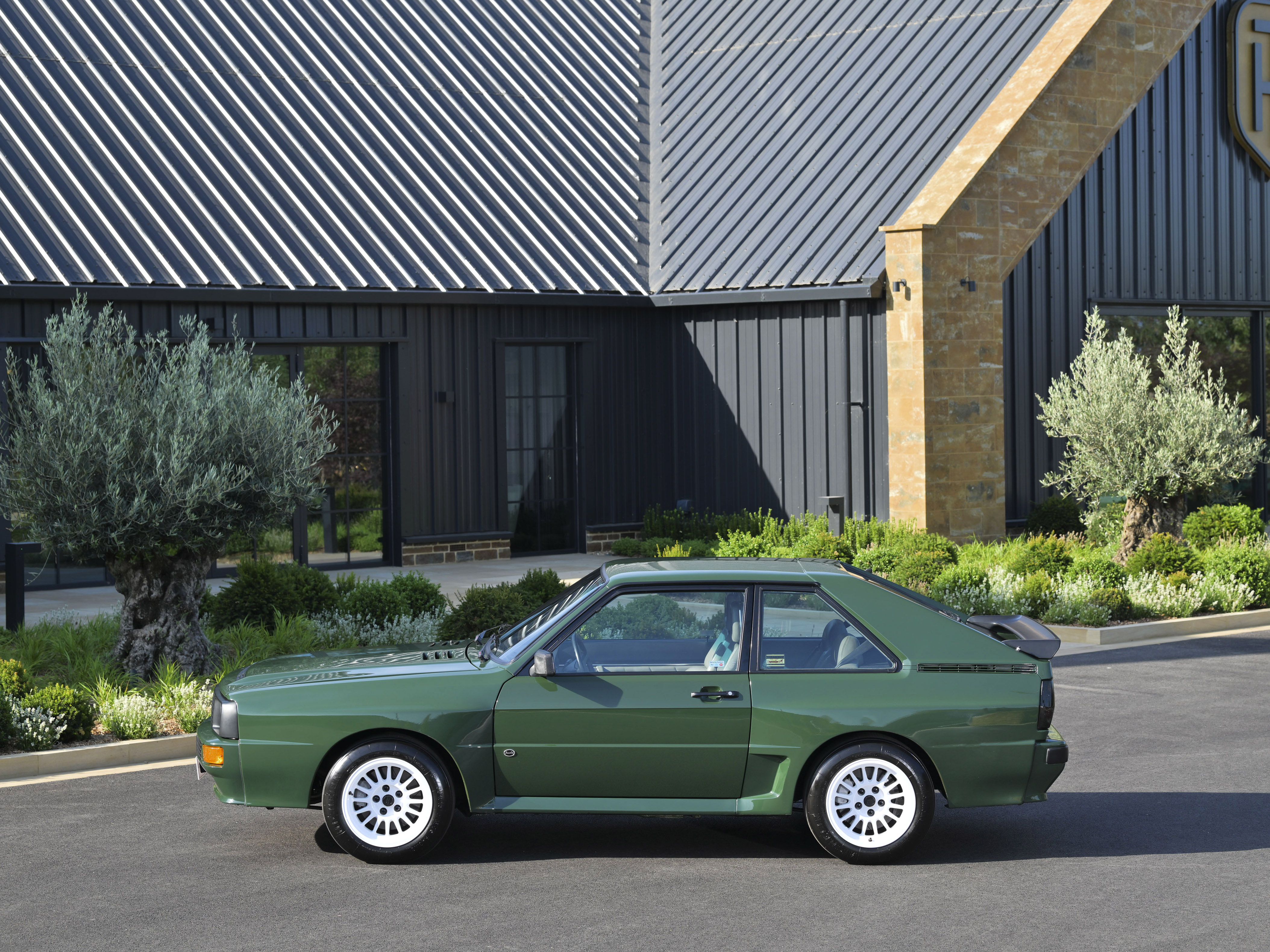
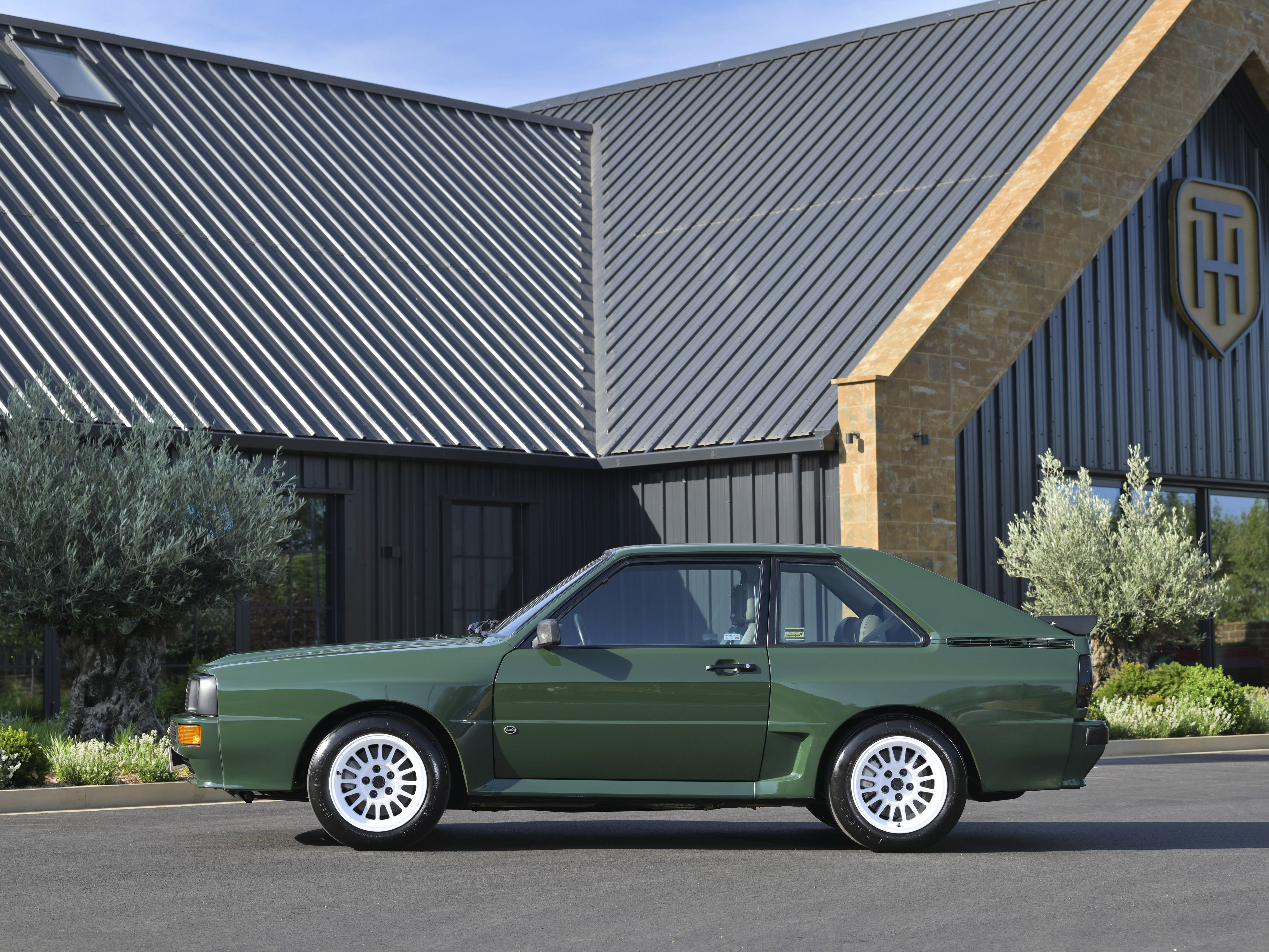
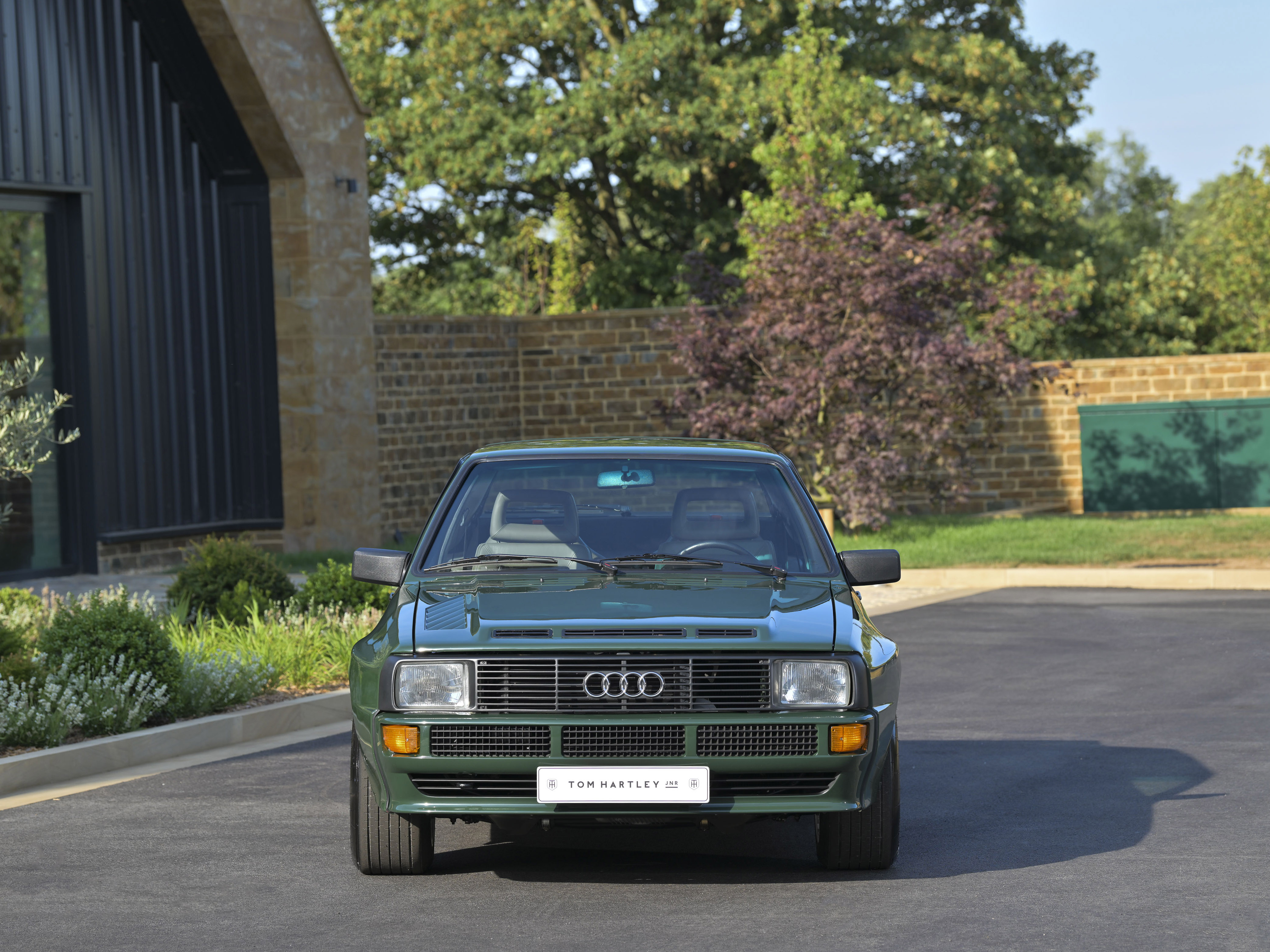
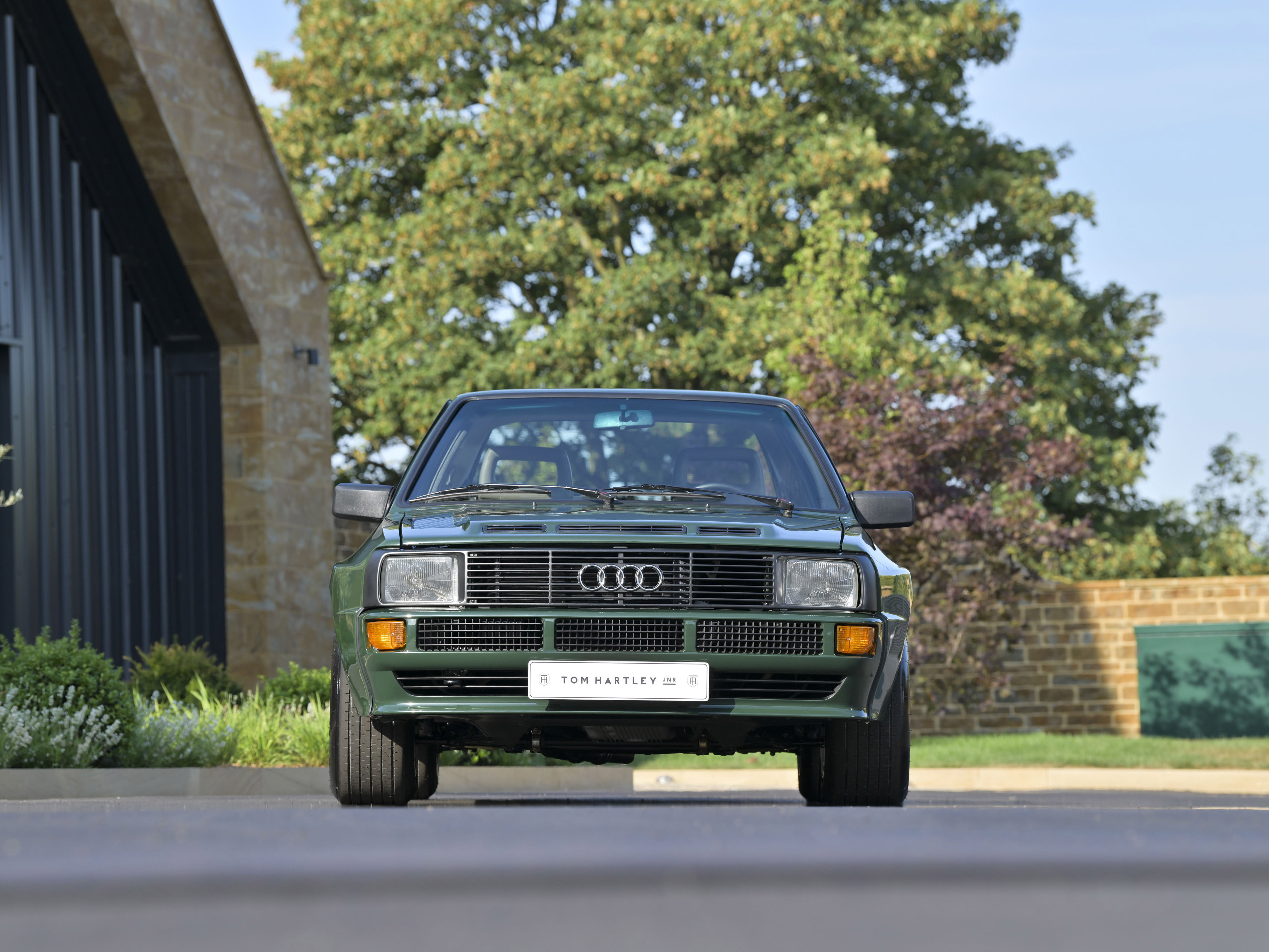
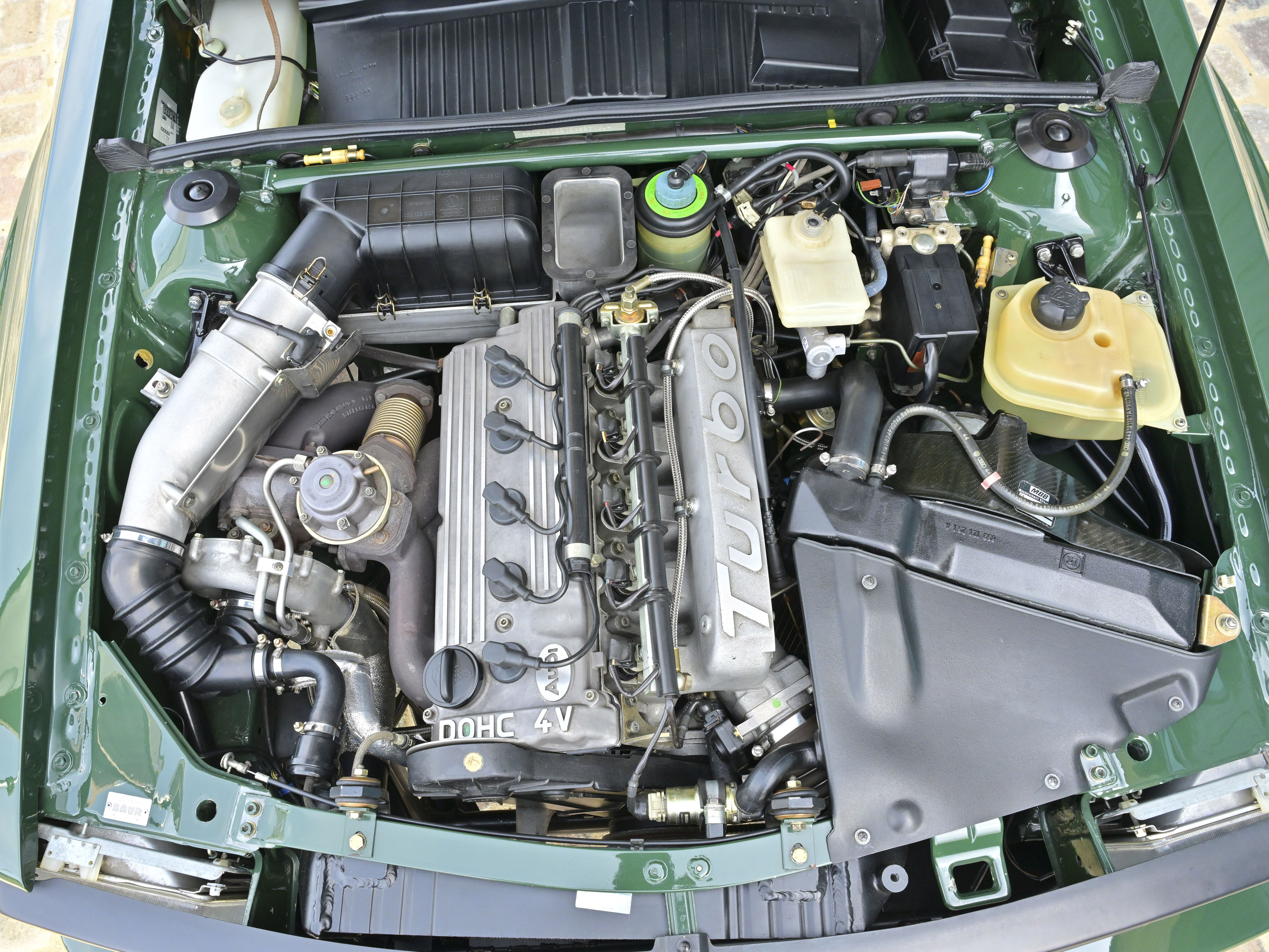
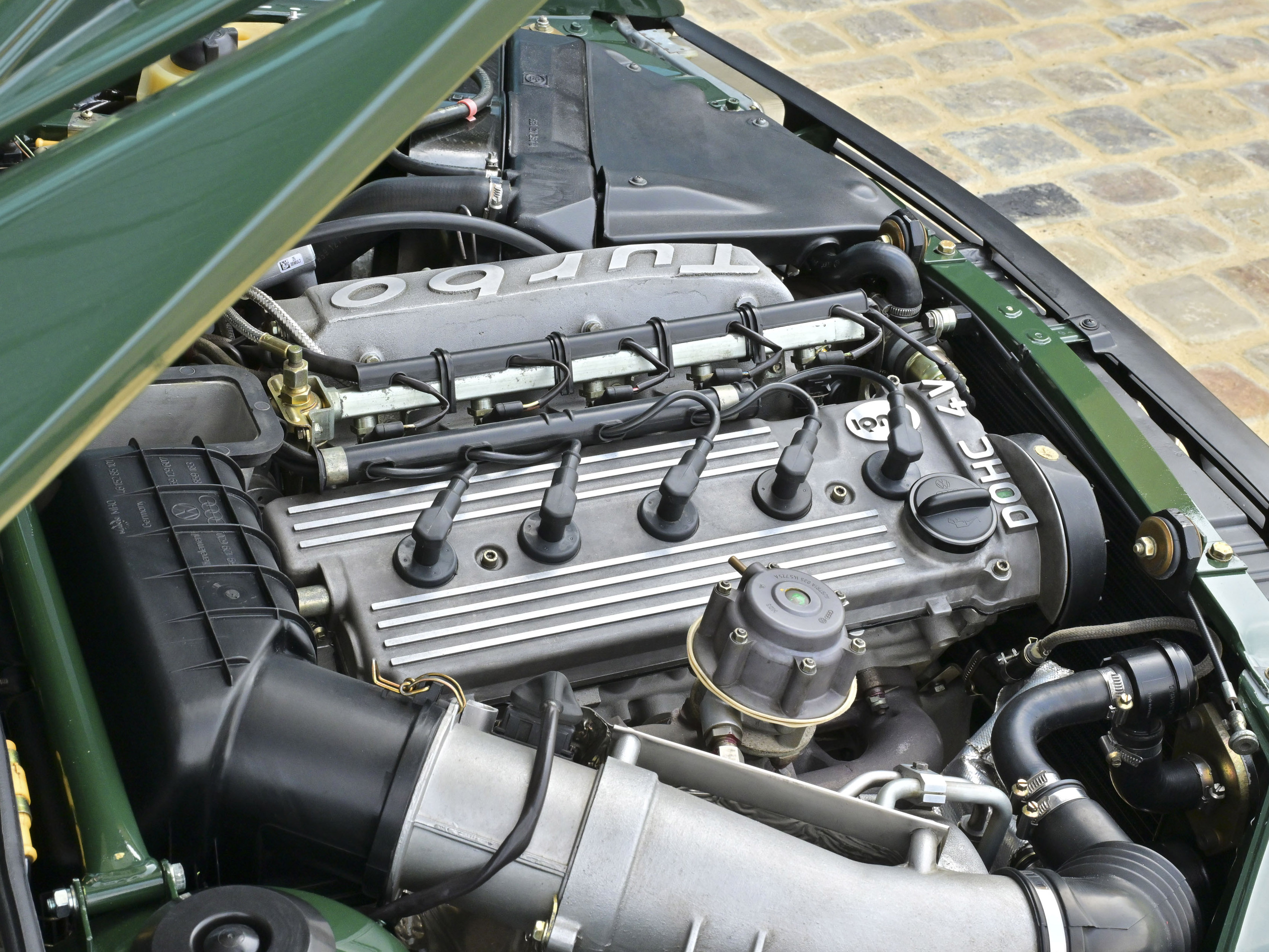
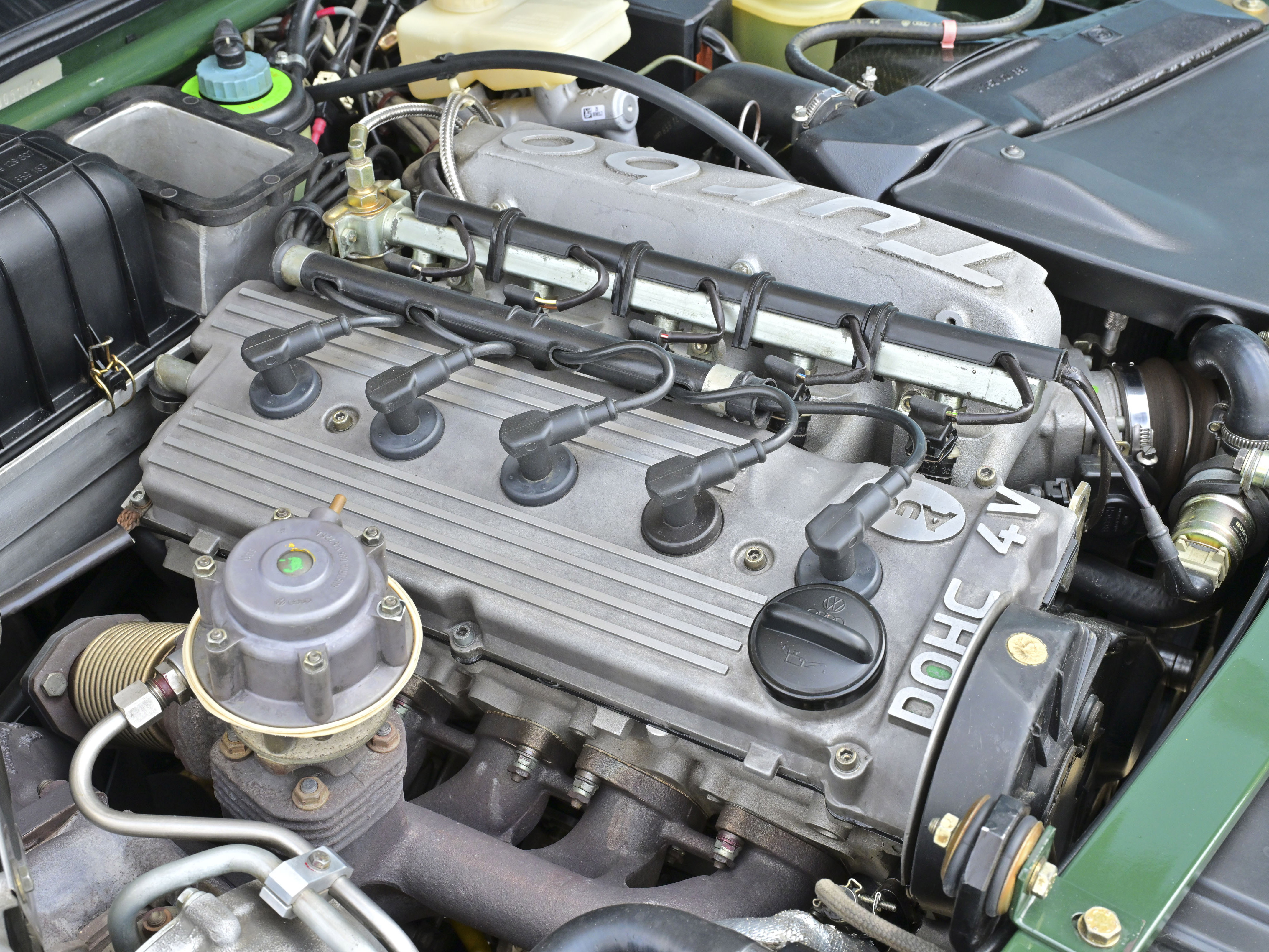
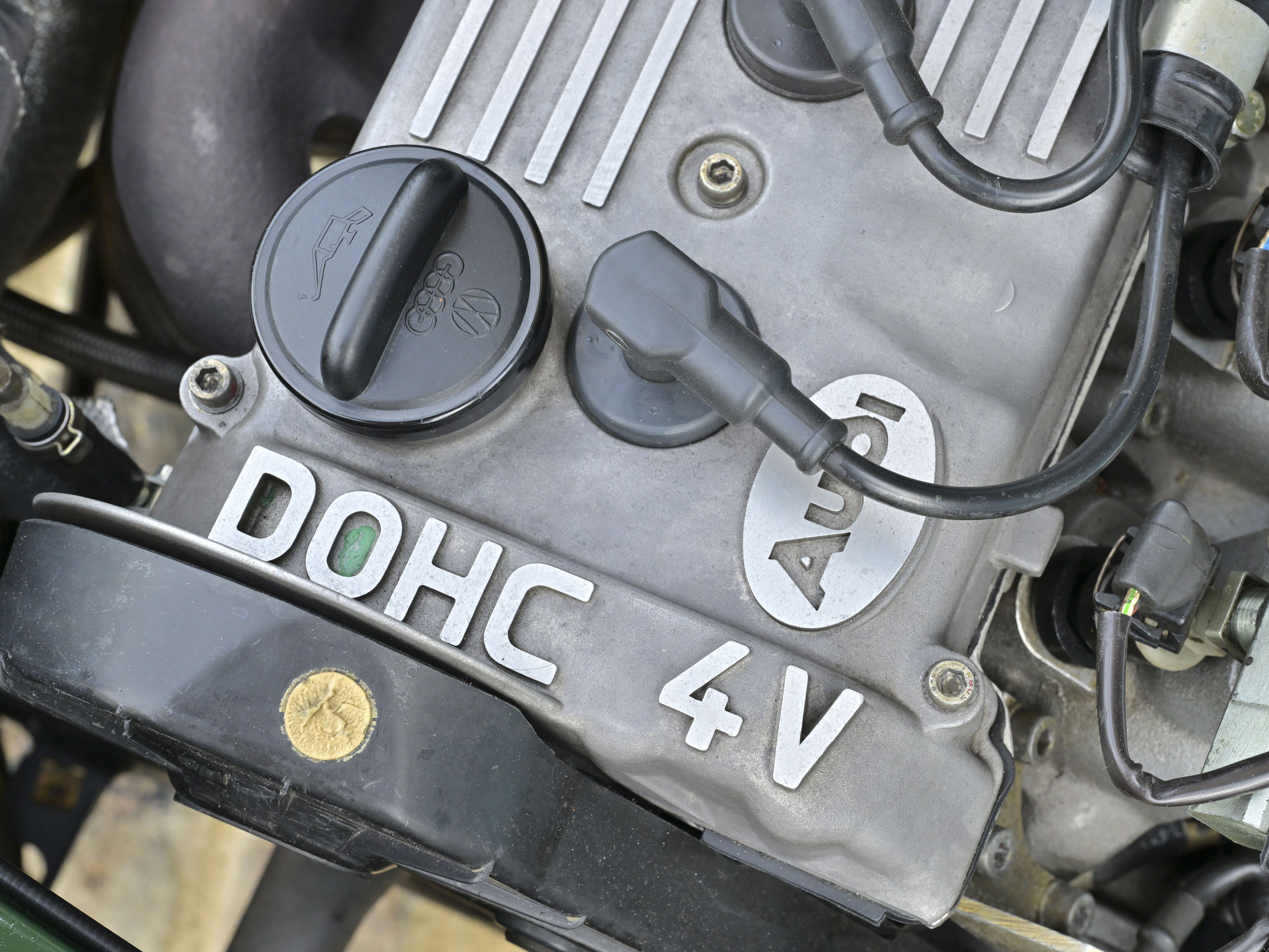
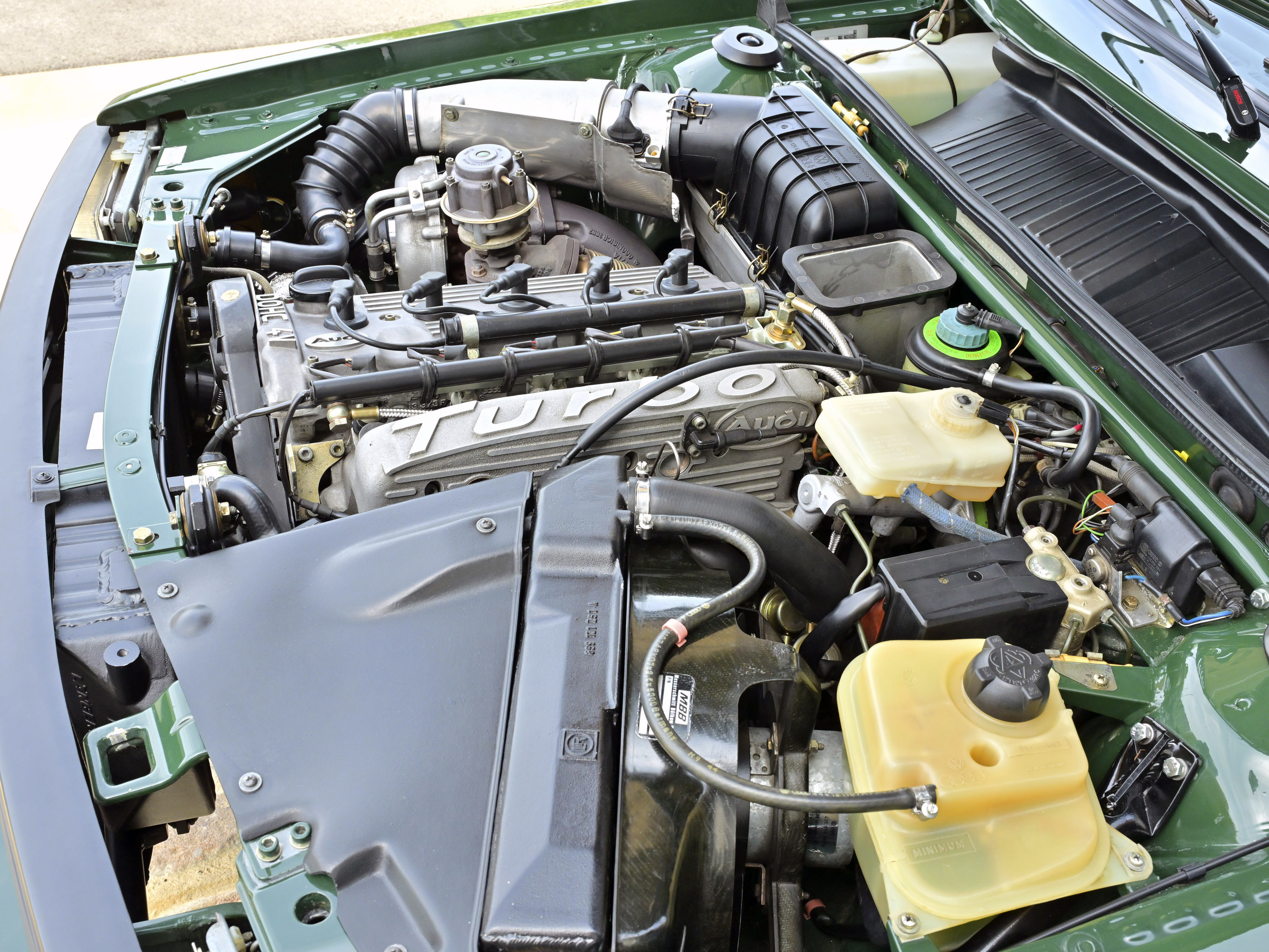
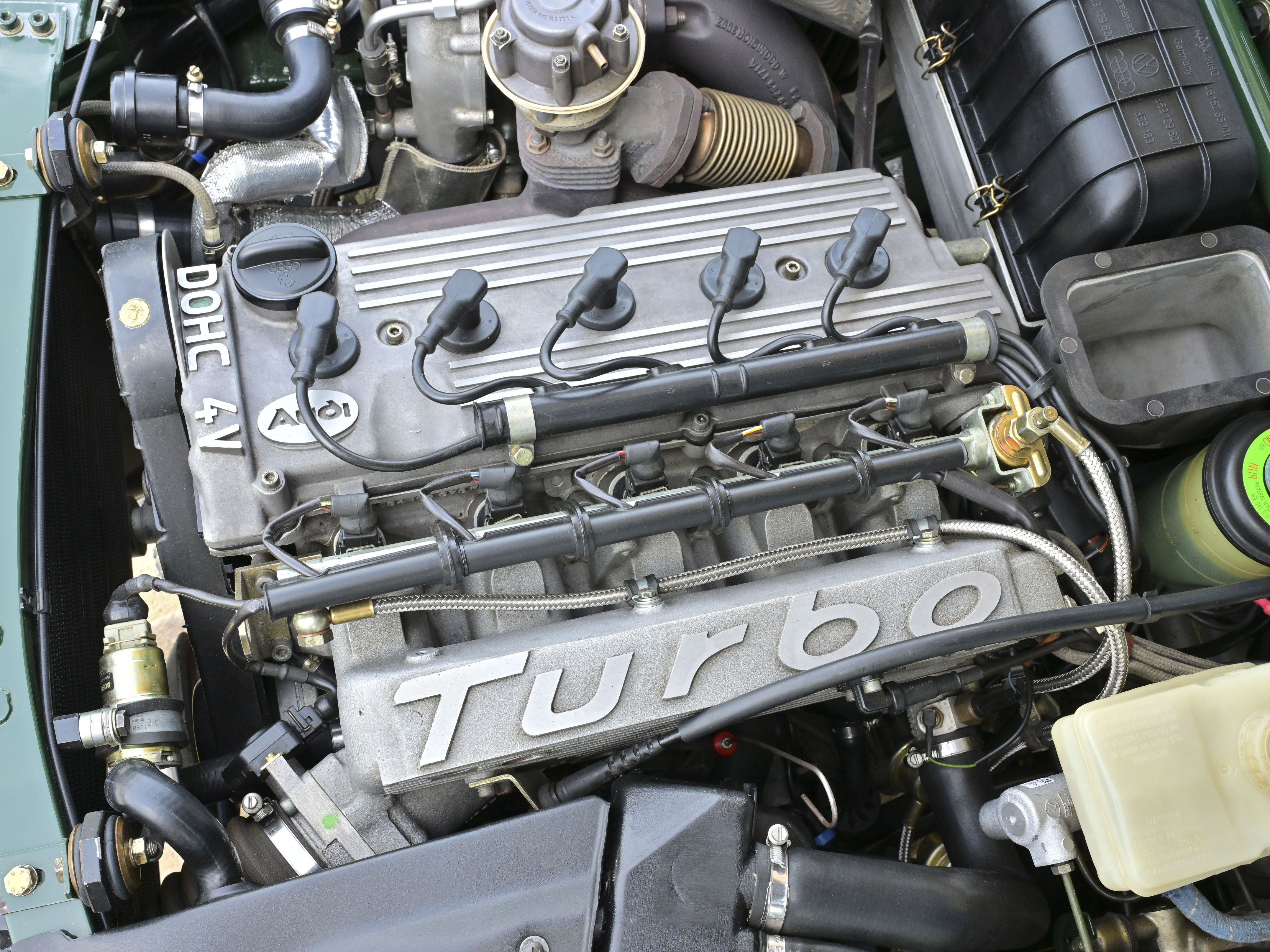
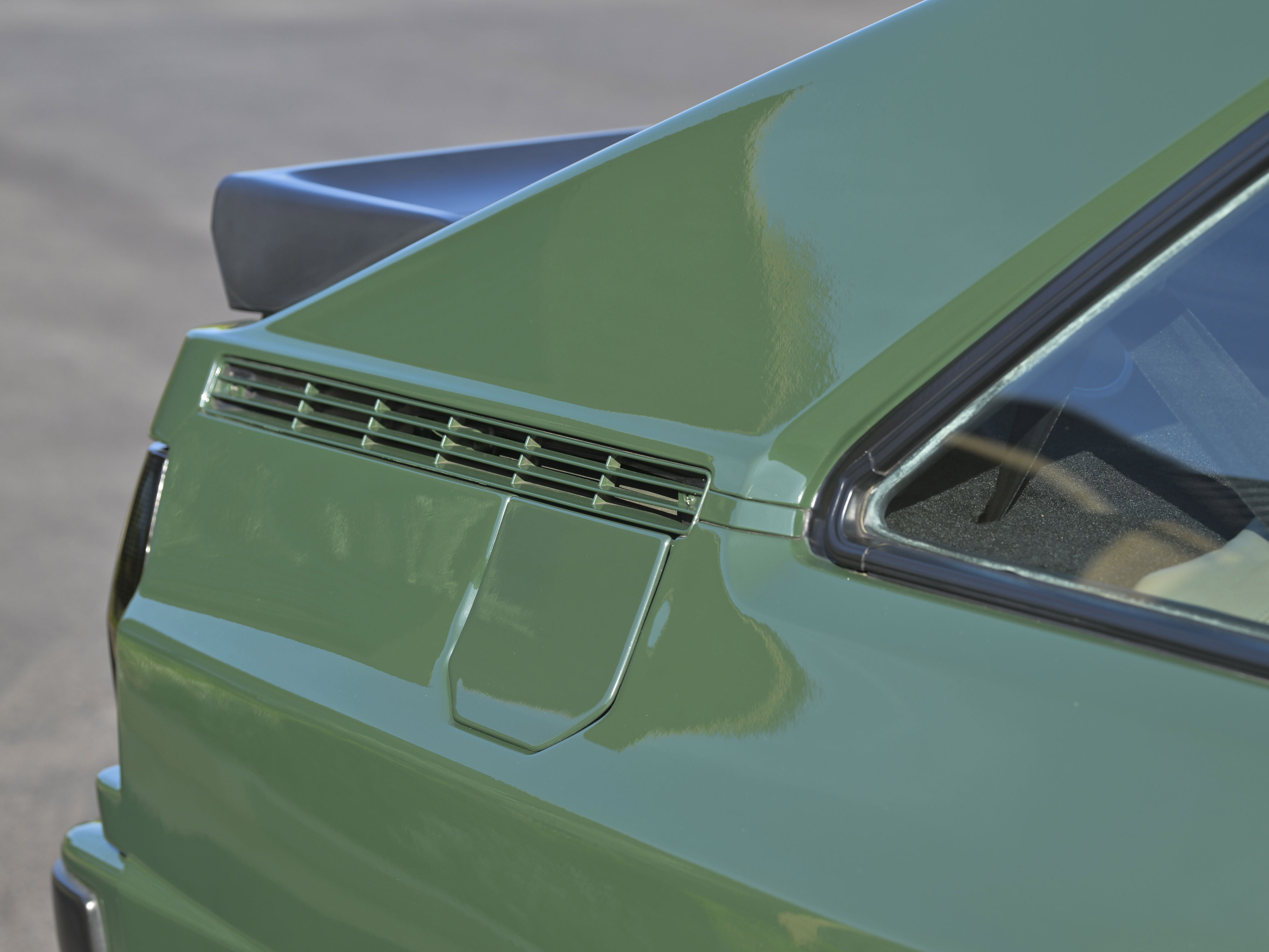
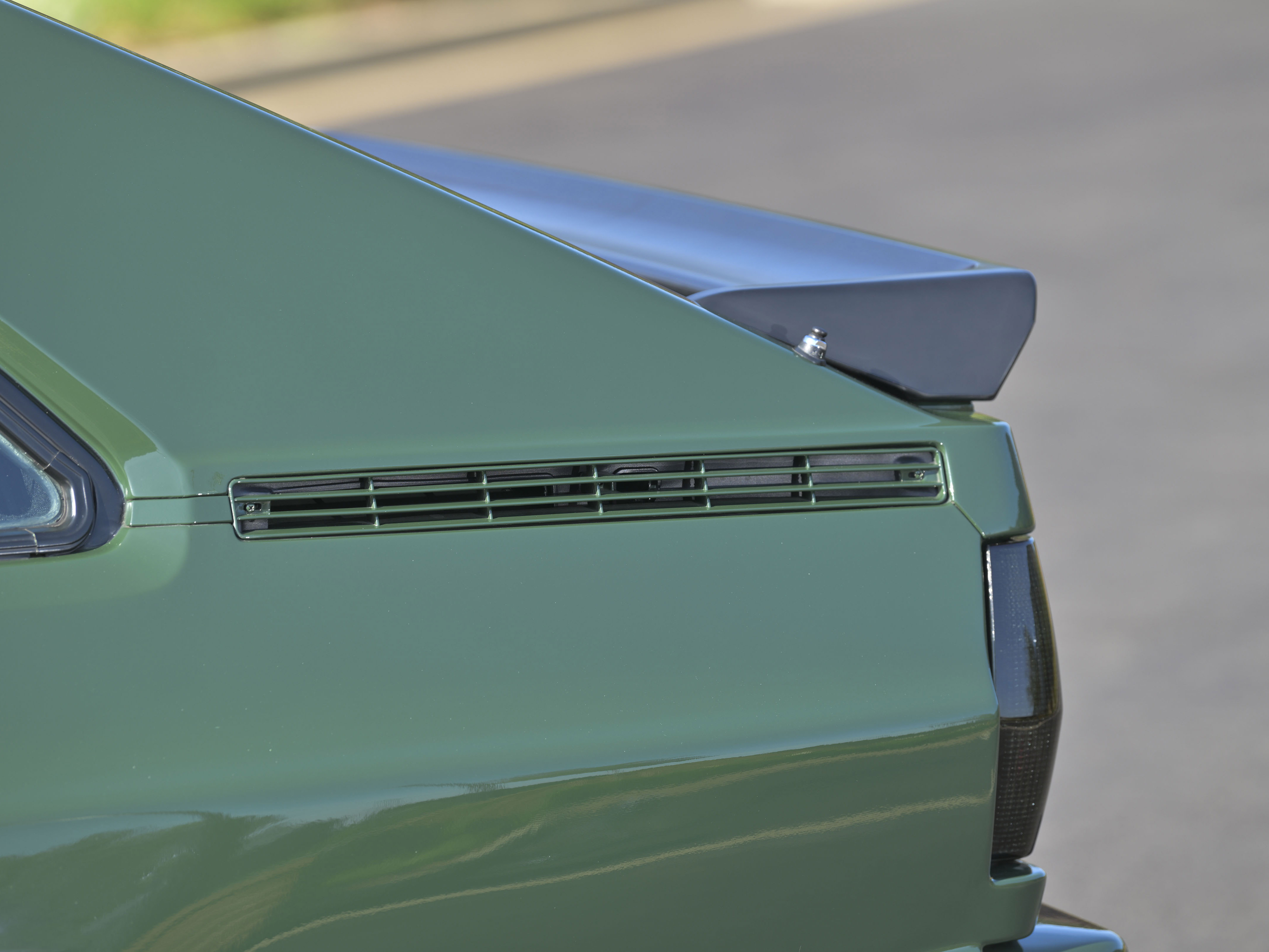
The Sport Quattro represents the ultimate expression of that revolution. Introduced at the Frankfurt Motor Show in 1983, it was created for one purpose alone: to satisfy Group B homologation regulations and allow Audi to develop the competition car it had always intended to build. Under the direction of Ferdinand Piëch, the engineer behind Porsche’s Le Mans-dominating 917 and later the driving force behind the Bugatti Veyron programme, Audi transformed the already World Championship-winning Ur-Quattro into something far removed from the production car on which it was based. Its wheelbase was shortened by 320 mm, the windscreen stood more upright at the request of the works drivers, and the body was constructed from lightweight Kevlar and glass fibre. Ferrari would later embrace a remarkably similar composite philosophy for the F40, while carbon fibre would not become a defining feature of production supercars until the arrival of the McLaren F1 almost a decade later. So extensive were the changes that the Sport Quattro could not be built on Audi’s own production lines. Beneath its lightweight body sat Audi’s first all-aluminium production engine and its first to feature four valves per cylinder, producing 306 bhp. No German road car of its day was faster.
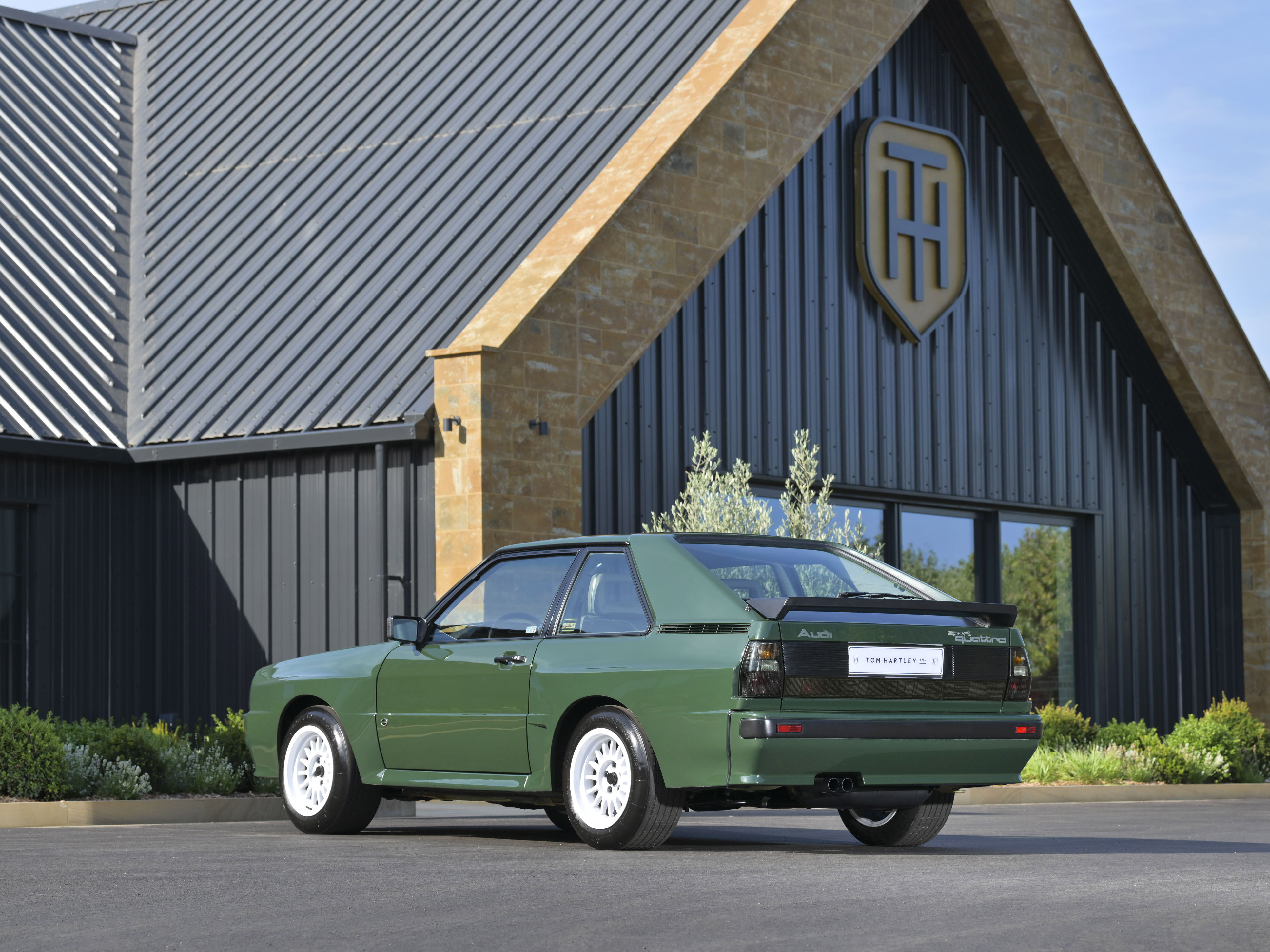
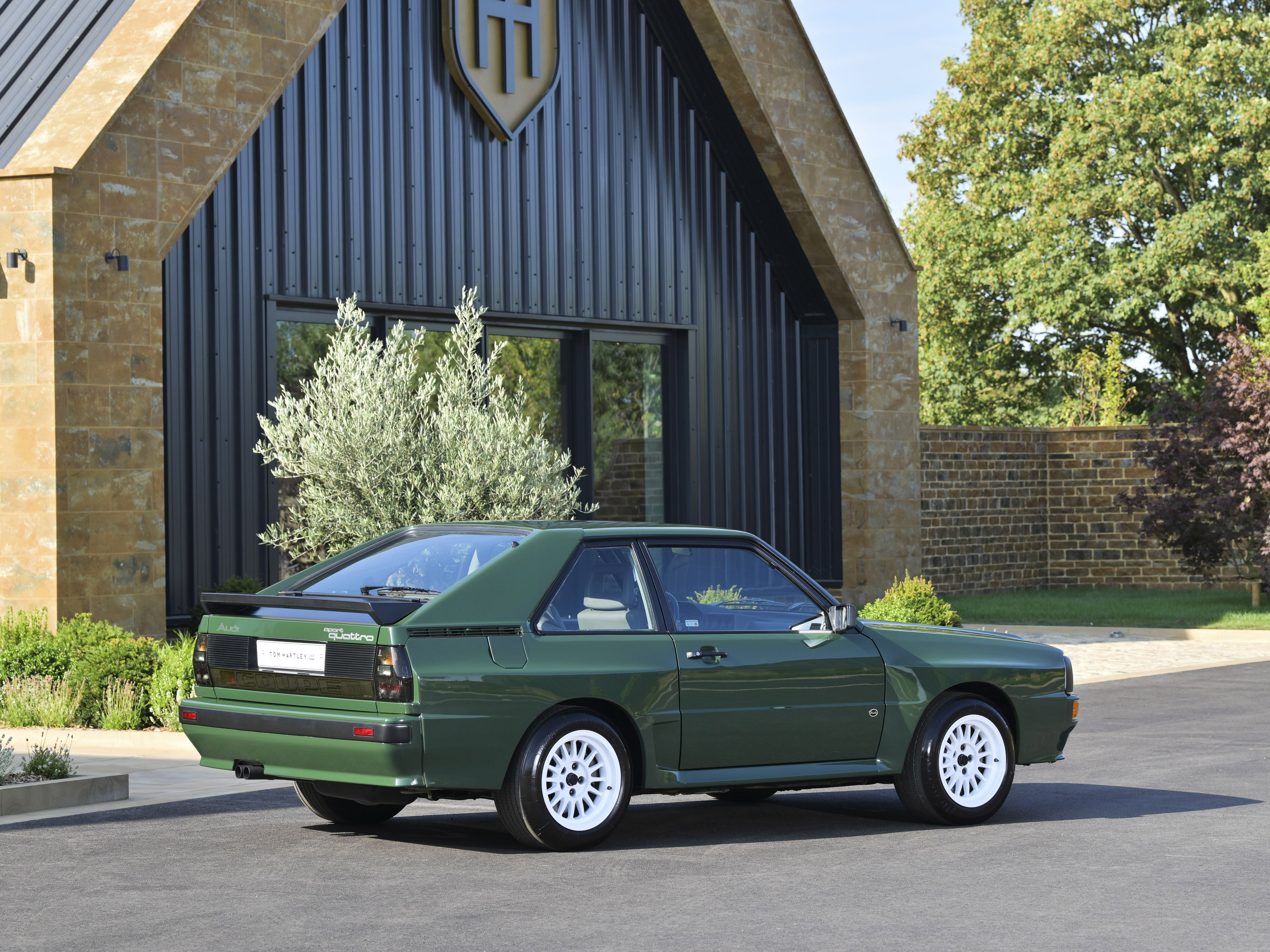
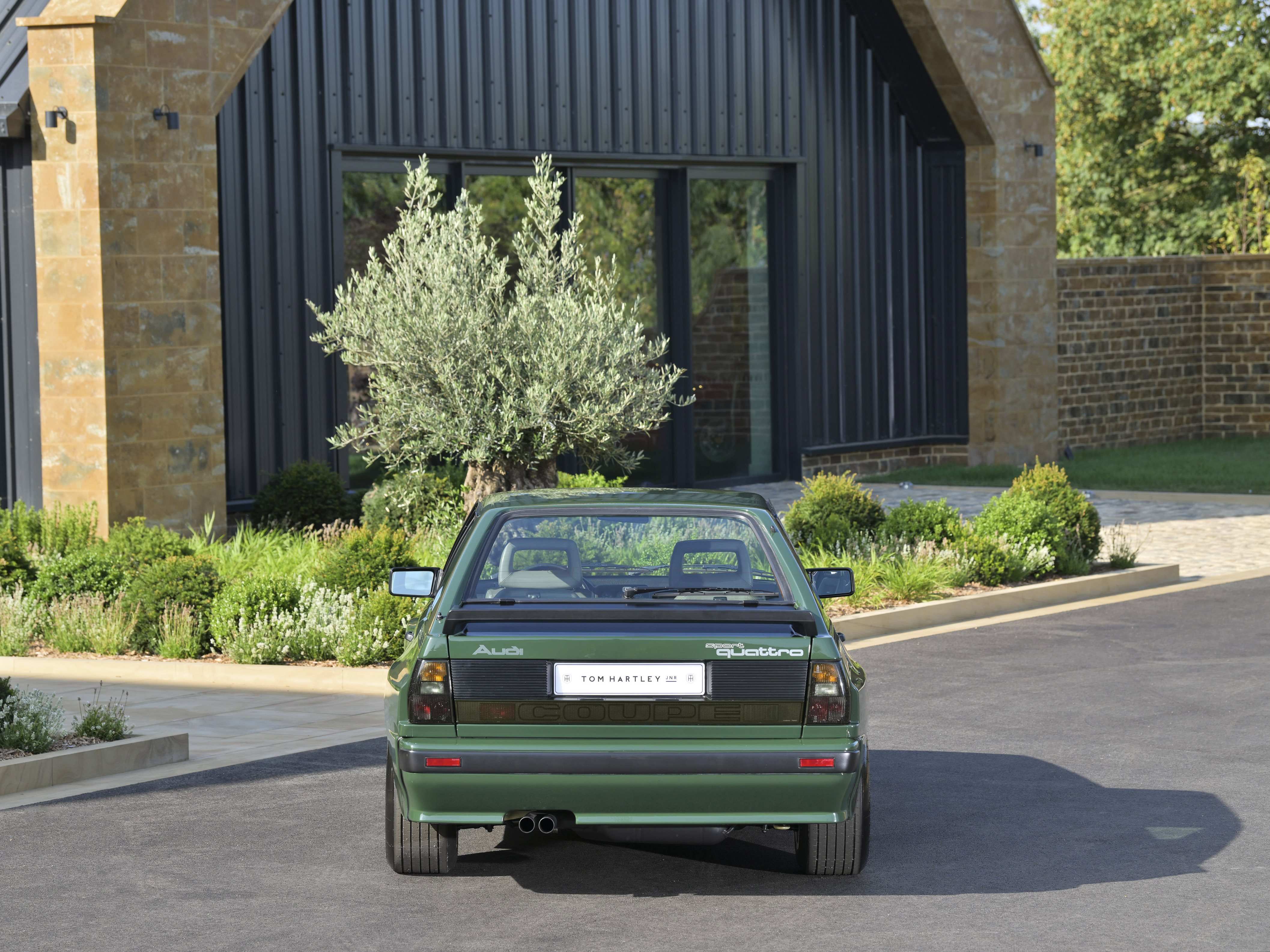
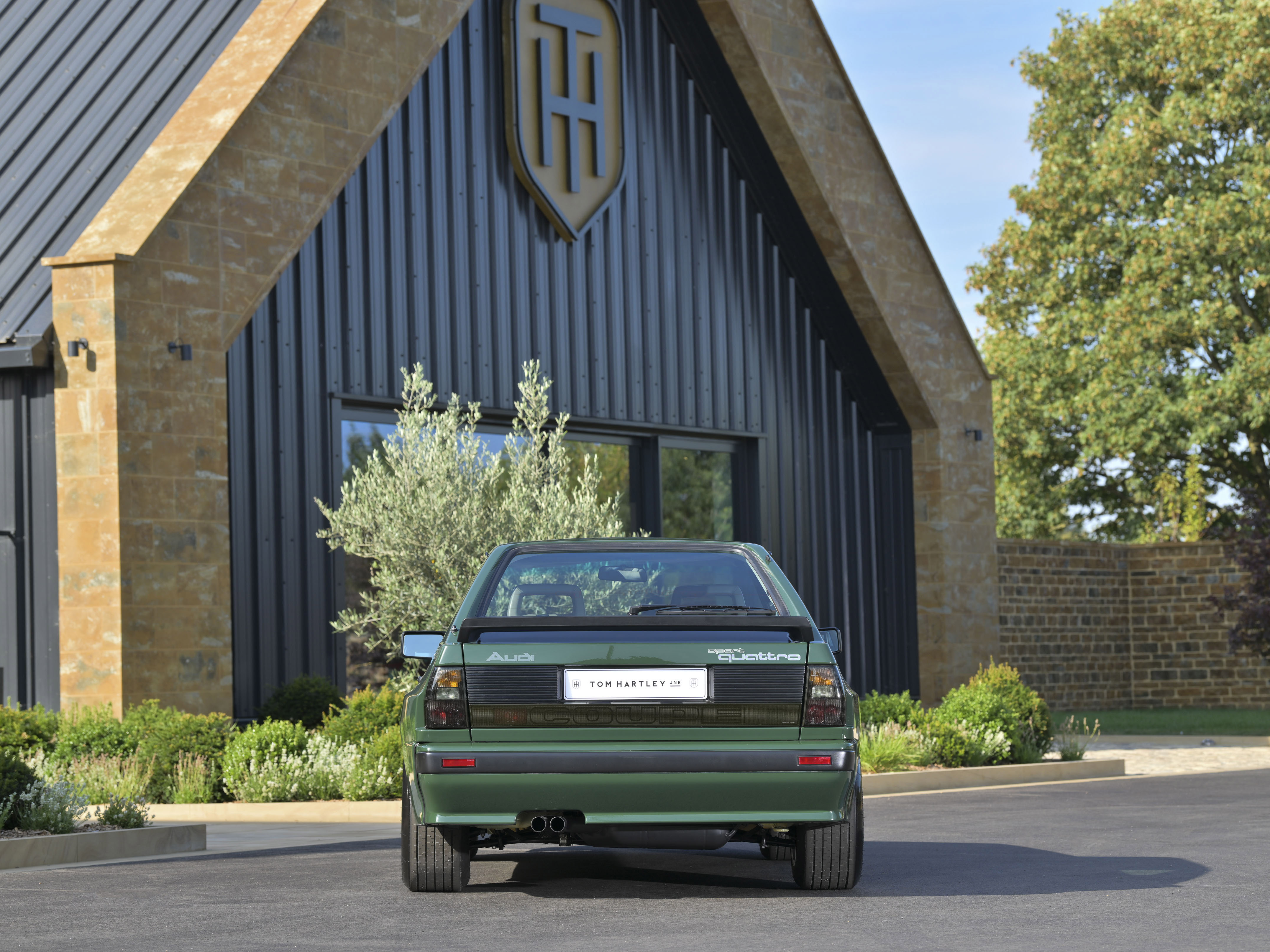
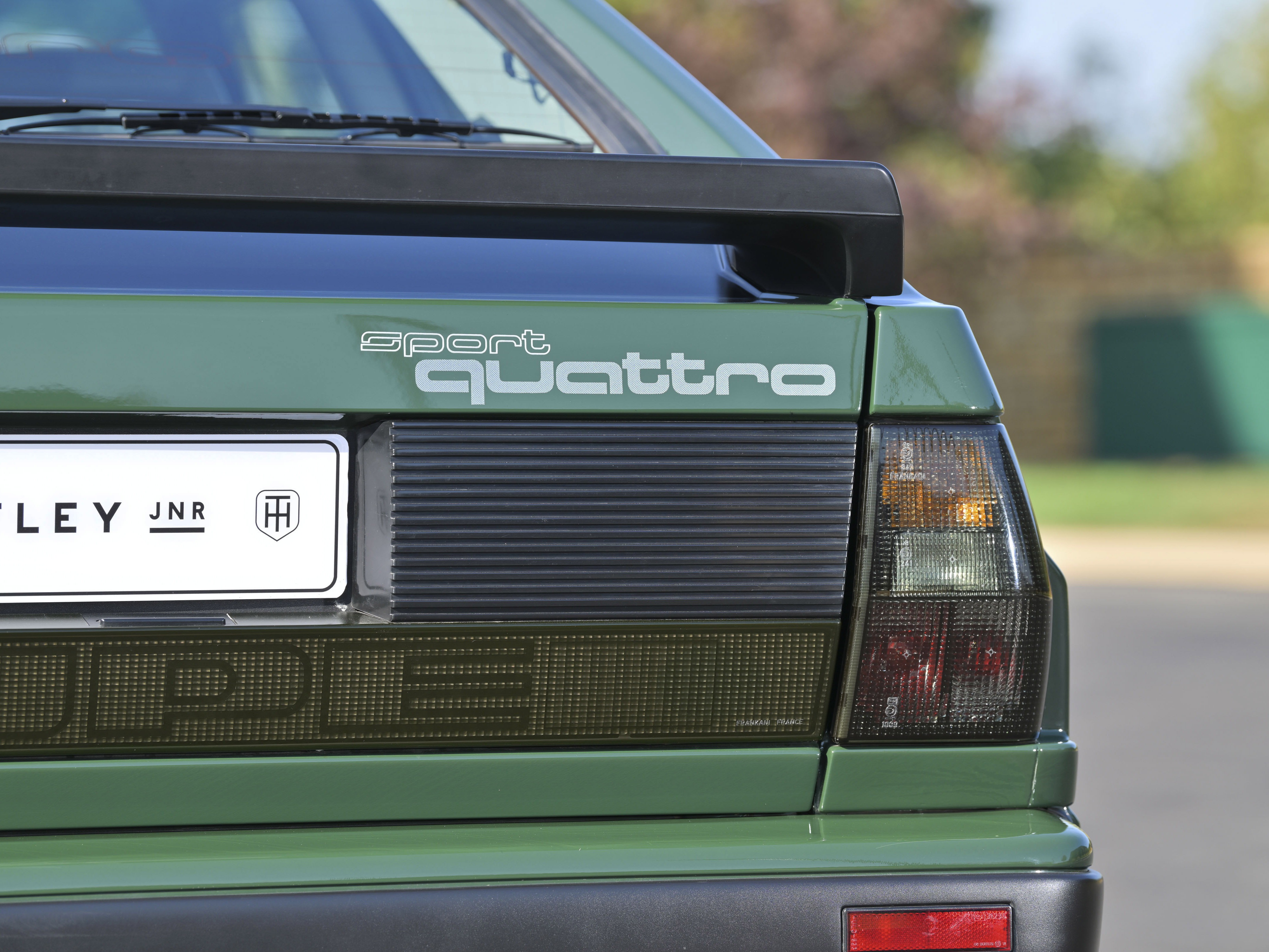
Audi built just 214 Sport Quattros, of which only 164 were sold to customers. With a list price almost double that of a Porsche 911 Turbo, it was also Germany’s most expensive production car, and Audi enlisted Christian Geistdörfer, co-driver to two-time World Rally Champion Walter Röhrl, to place the cars personally with carefully selected owners. Among them was King Juan Carlos I of Spain, to whom Geistdörfer personally presented and demonstrated the car. Buyers could choose from just four colours, each representing one of Europe’s great racing nations: Tornado Red for Italy, Copenhagen Blue for France, Alpine White in place of German silver, and Malachite Green for Britain. By far the rarest was Malachite Green, with only 15 examples completed in this distinctive shade.
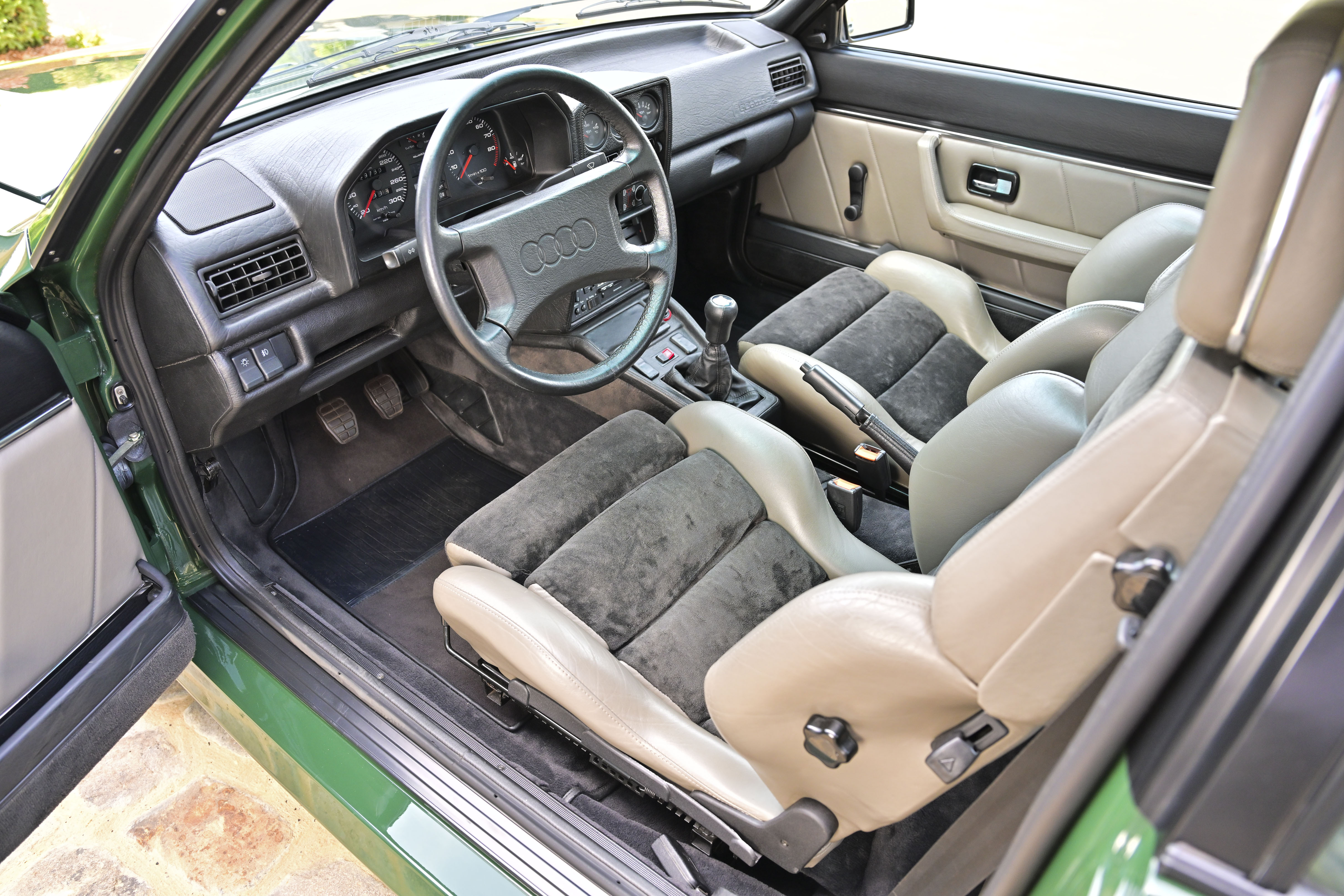
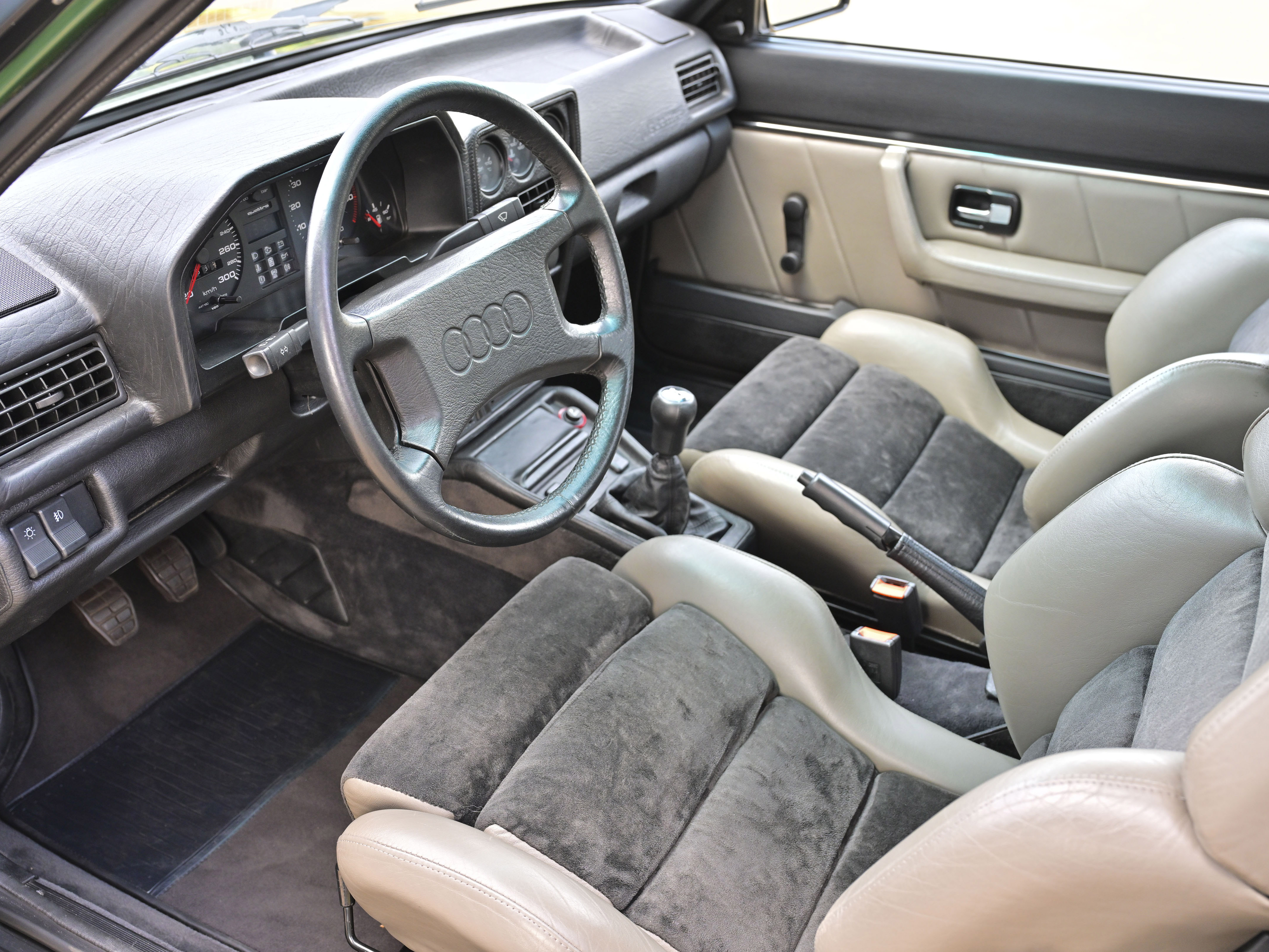
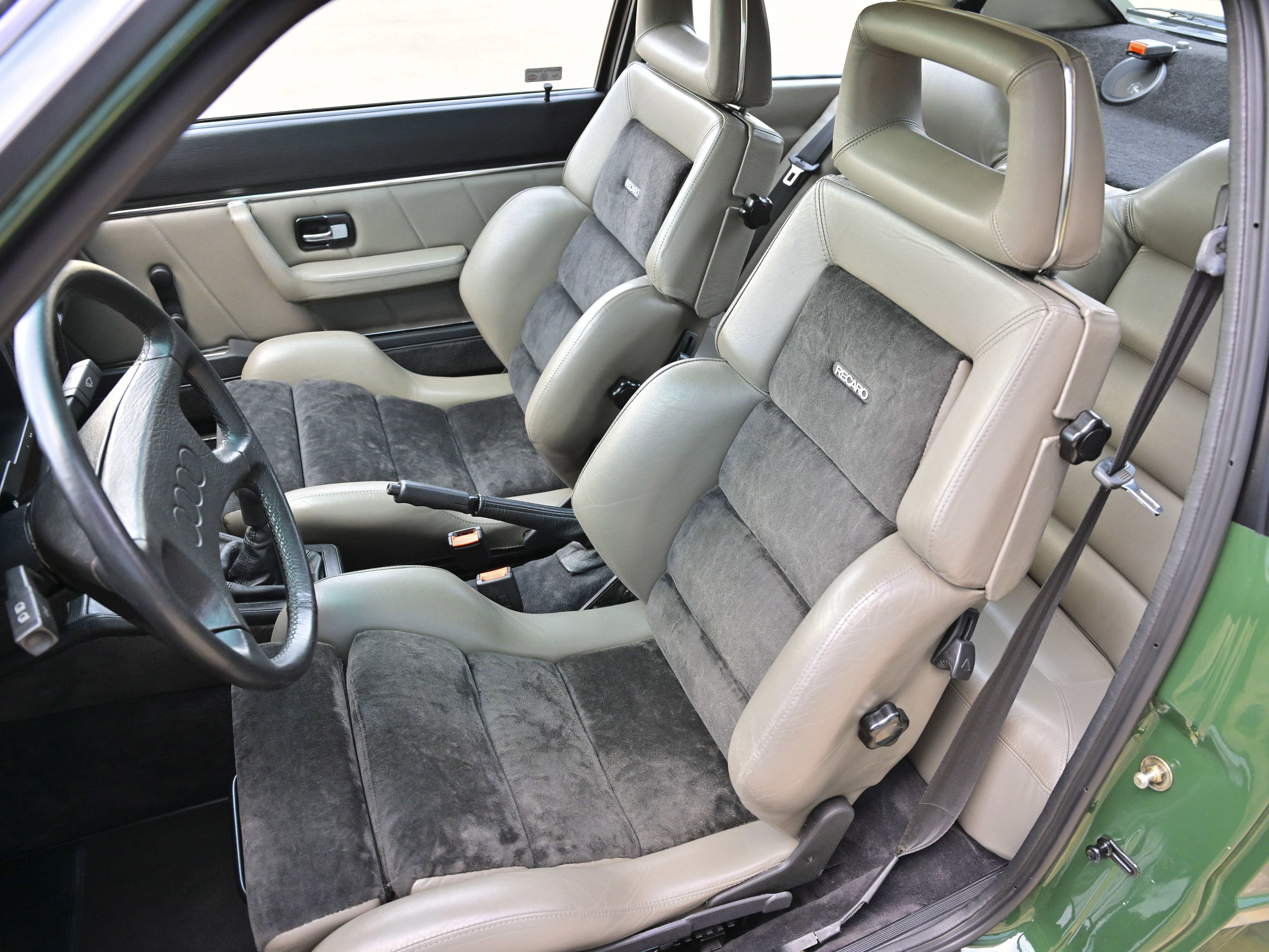
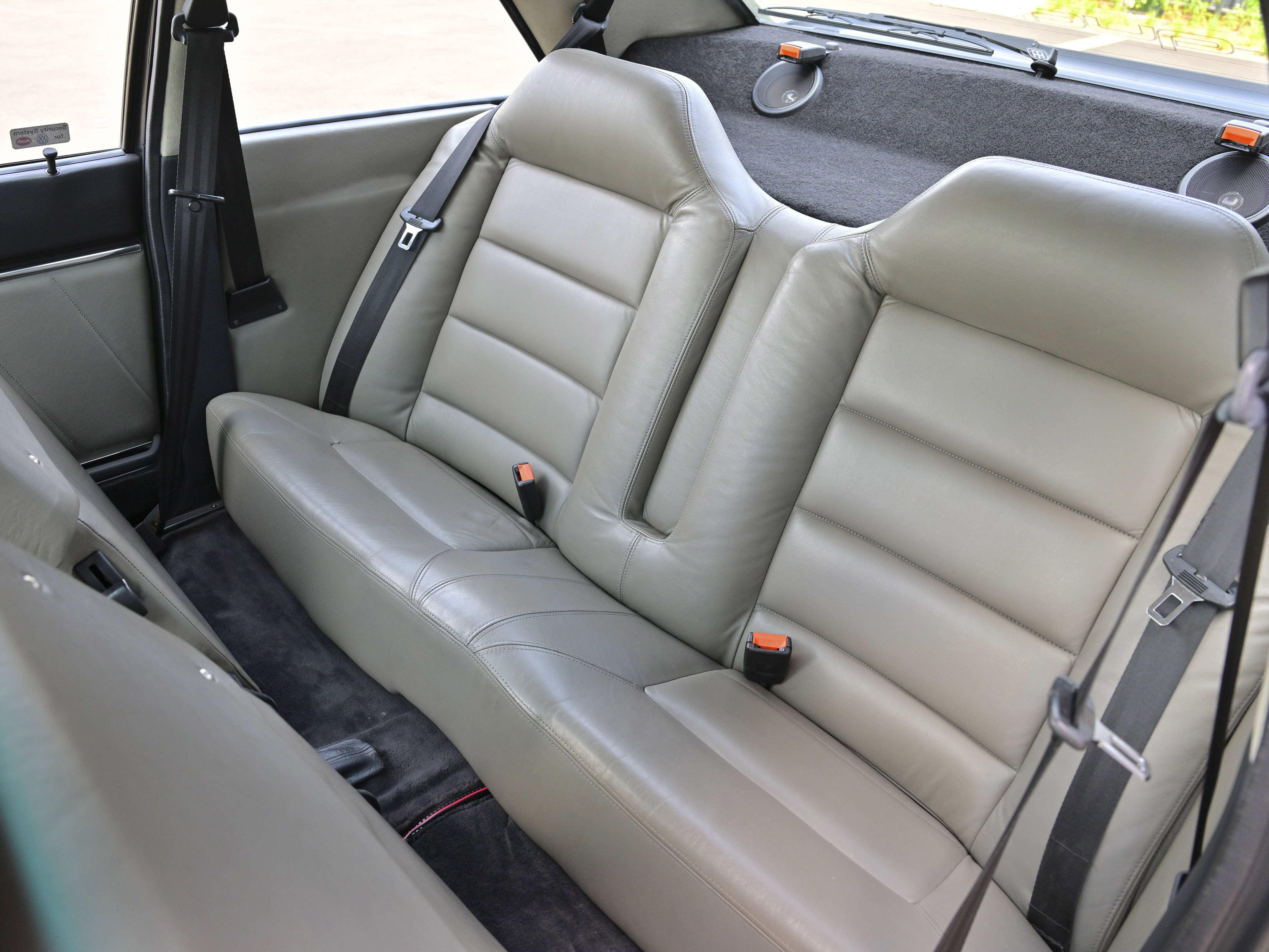
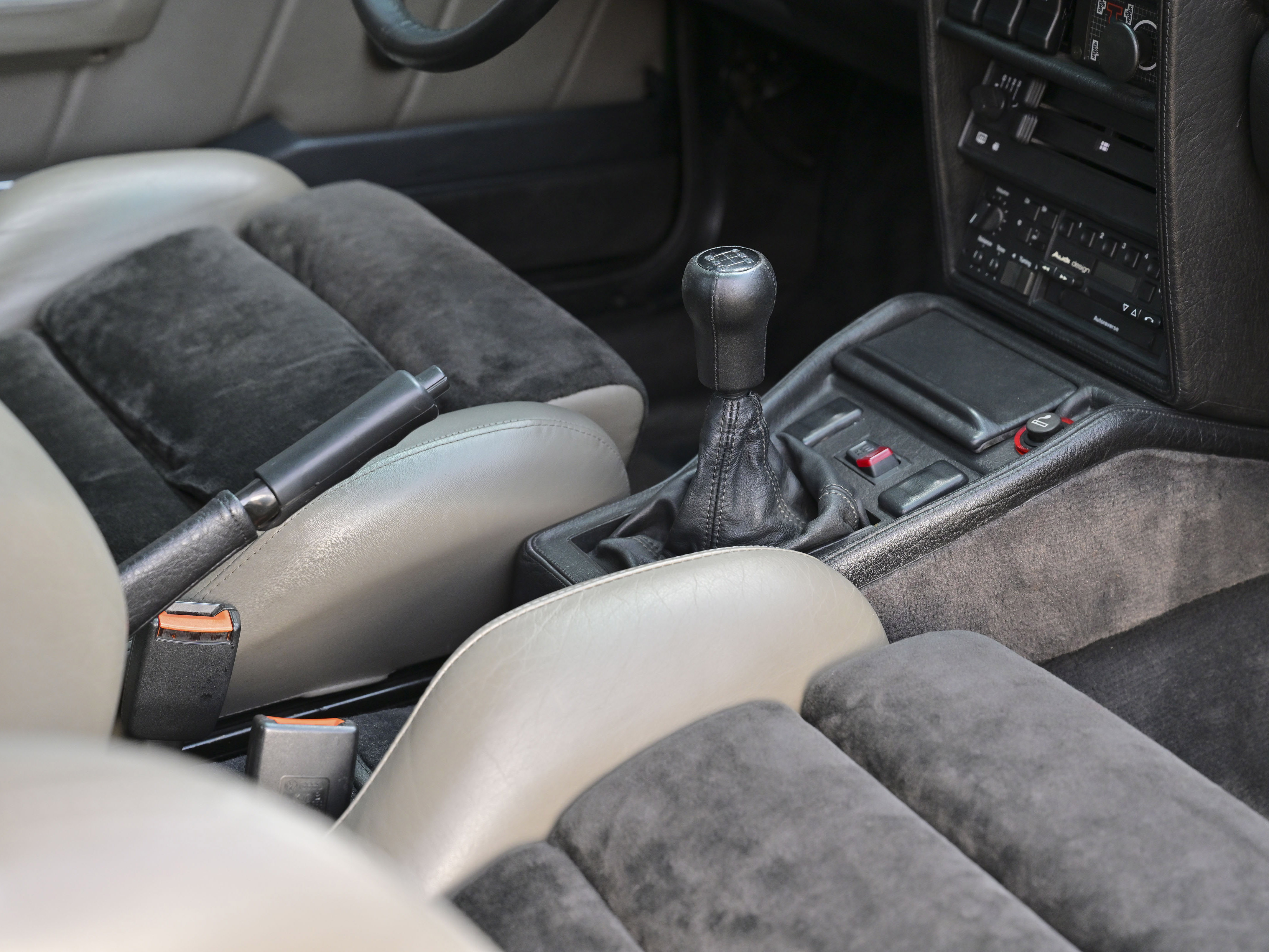
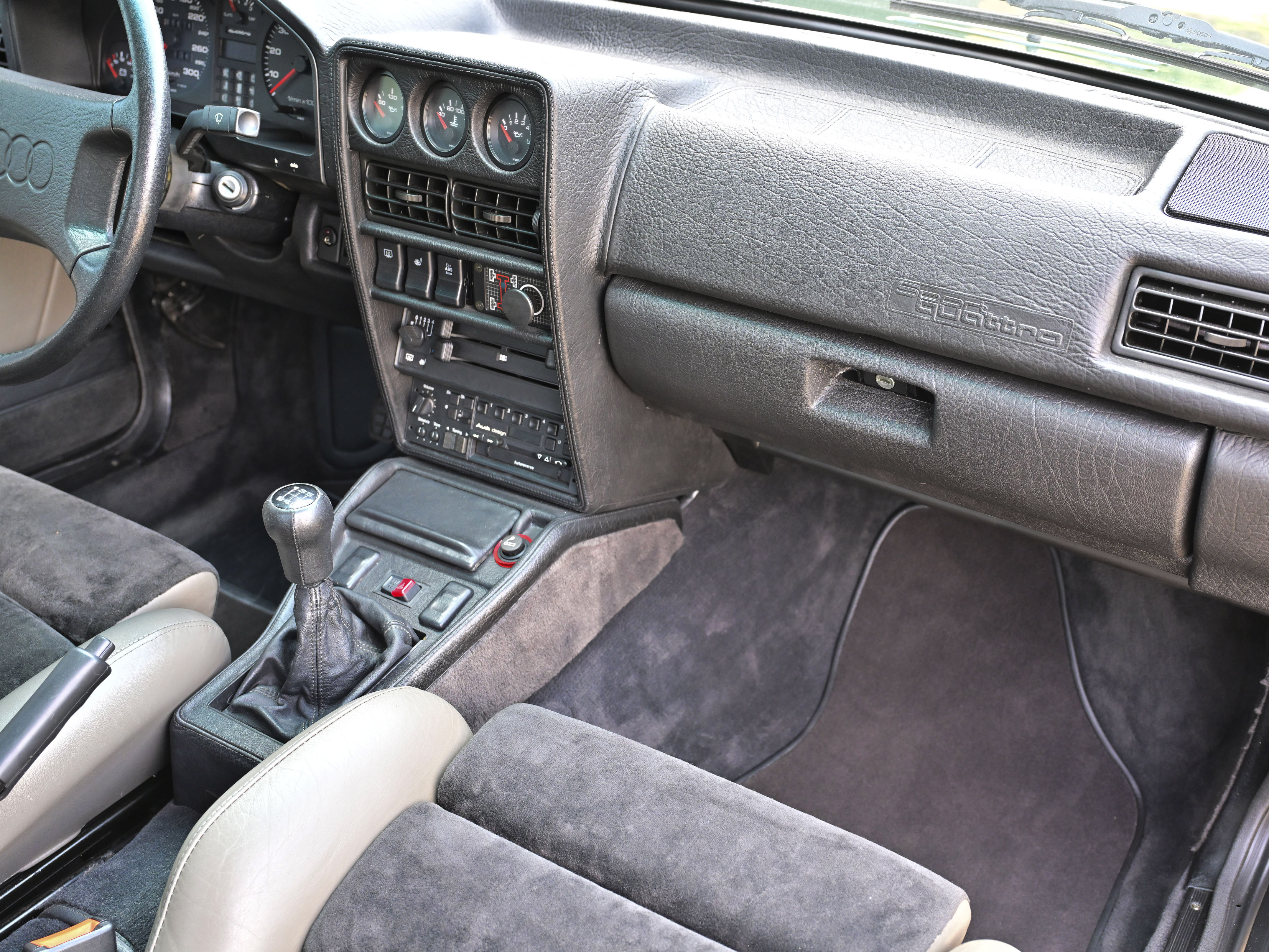
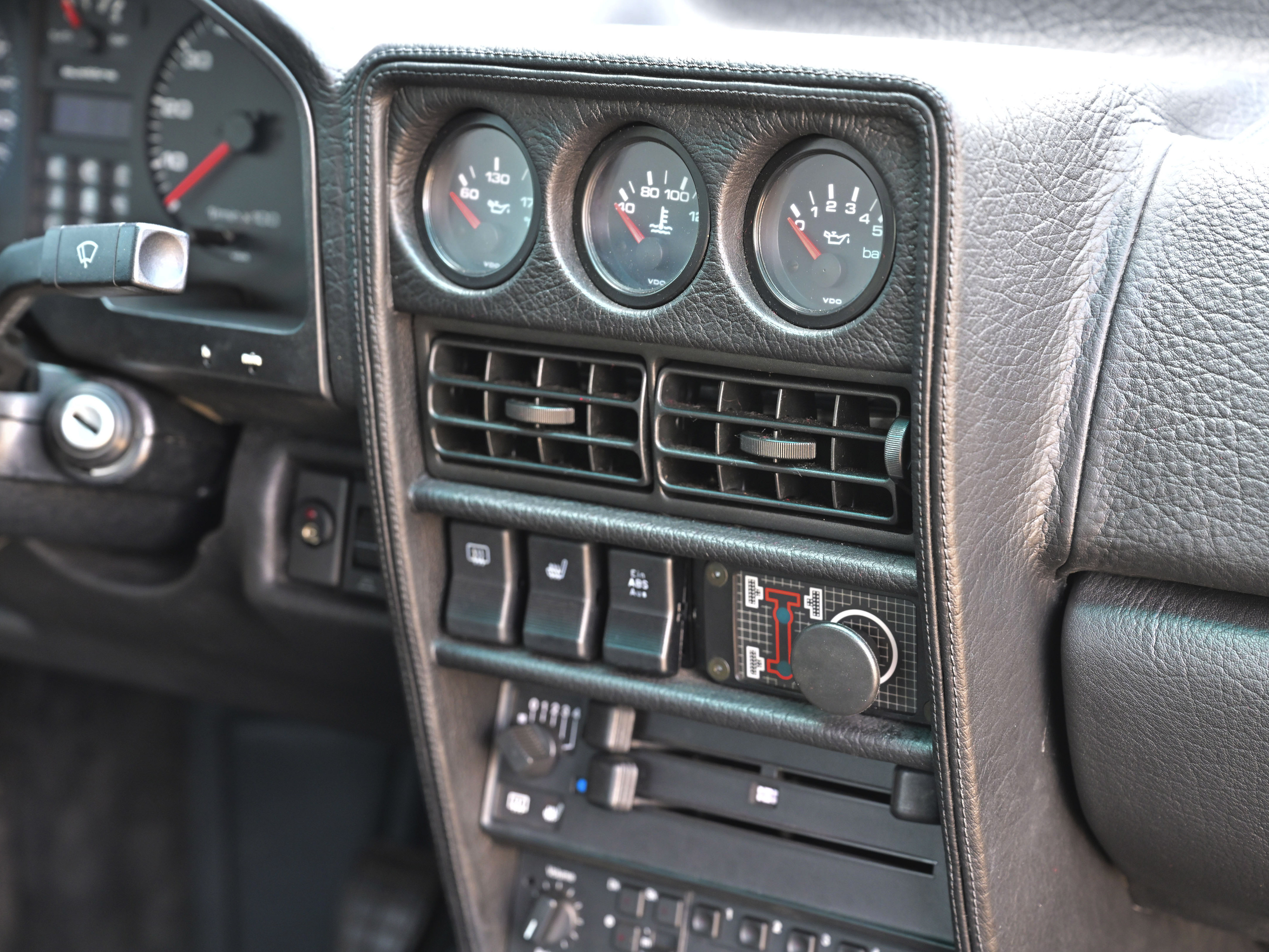
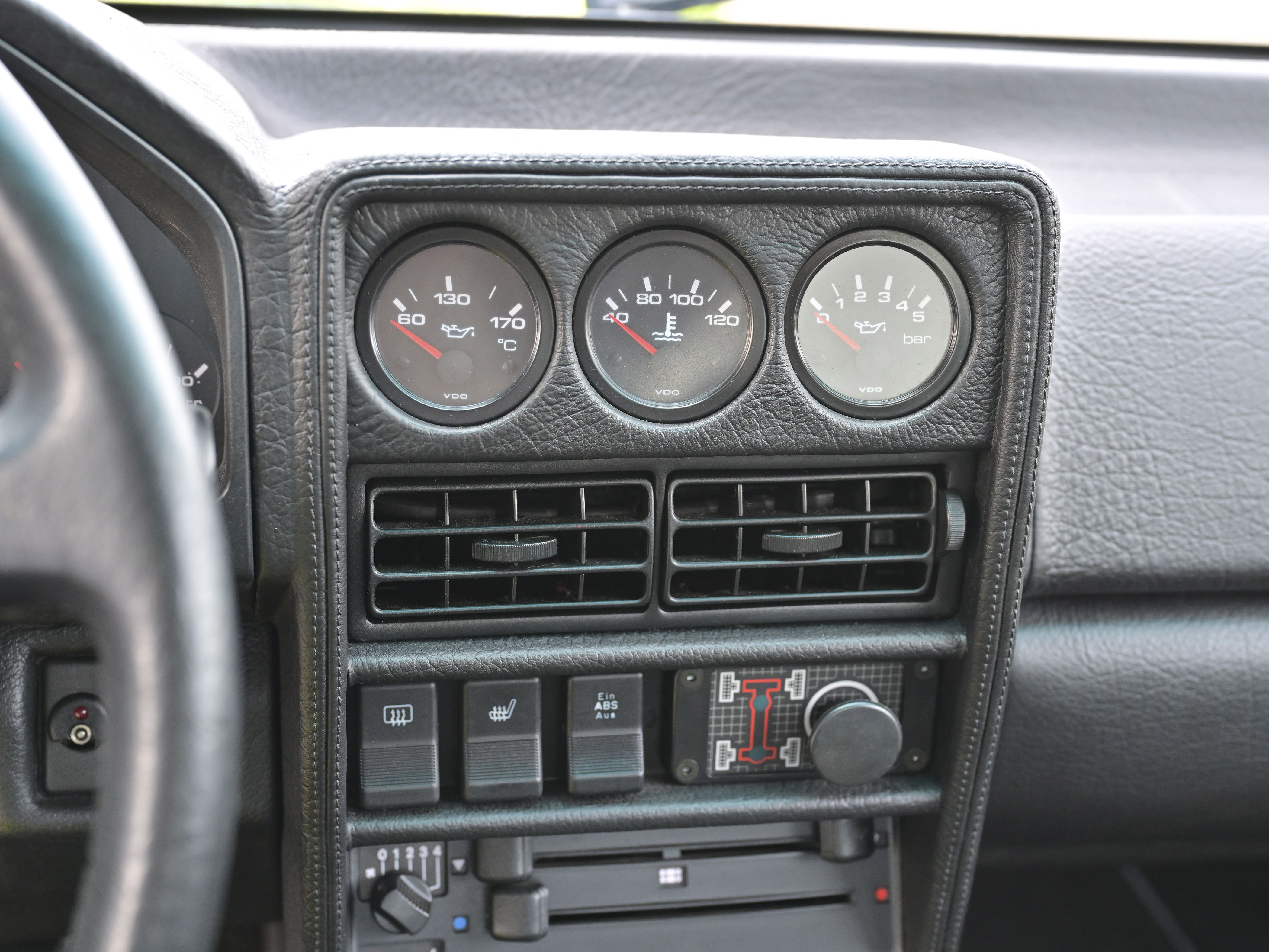
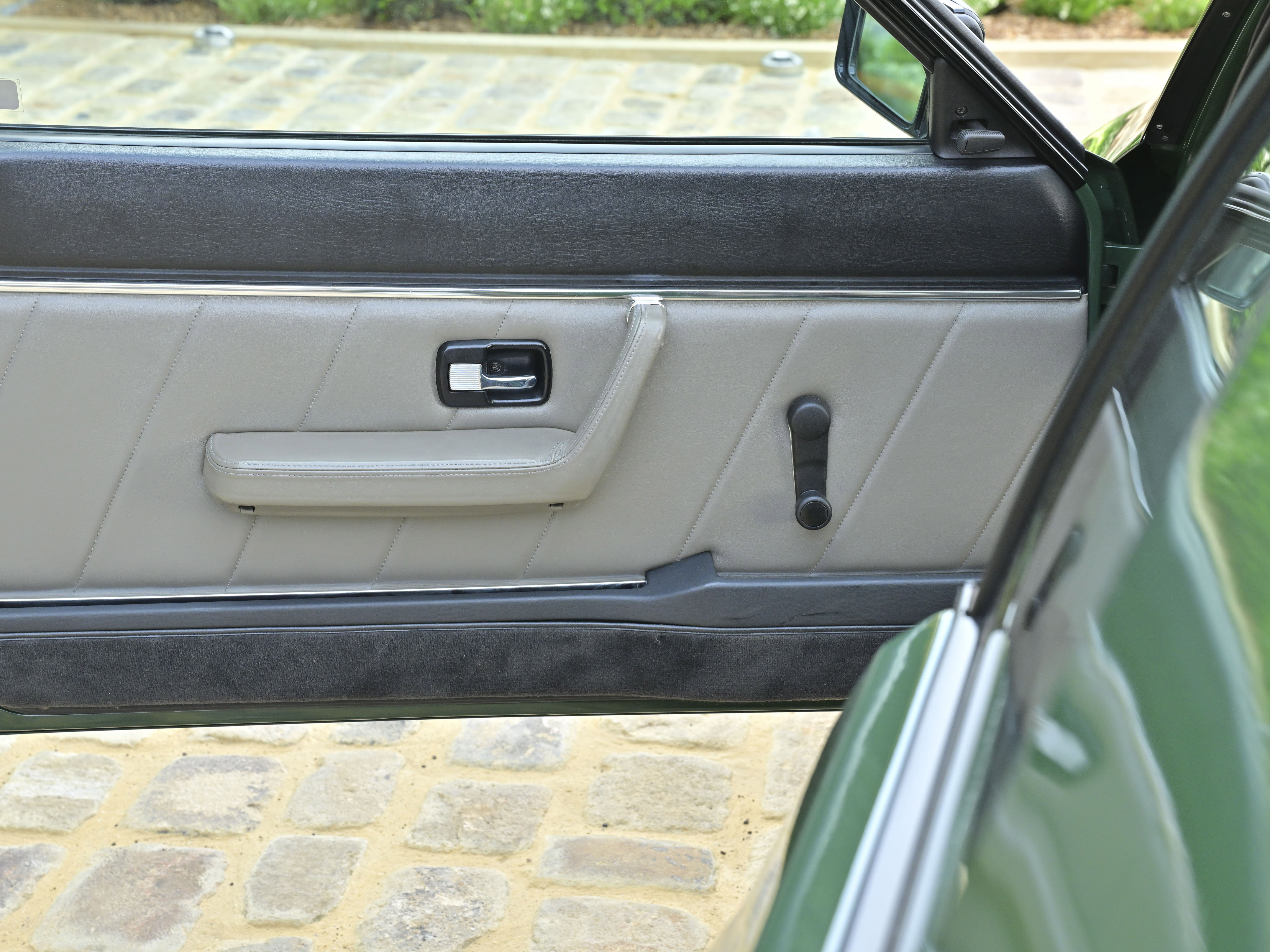
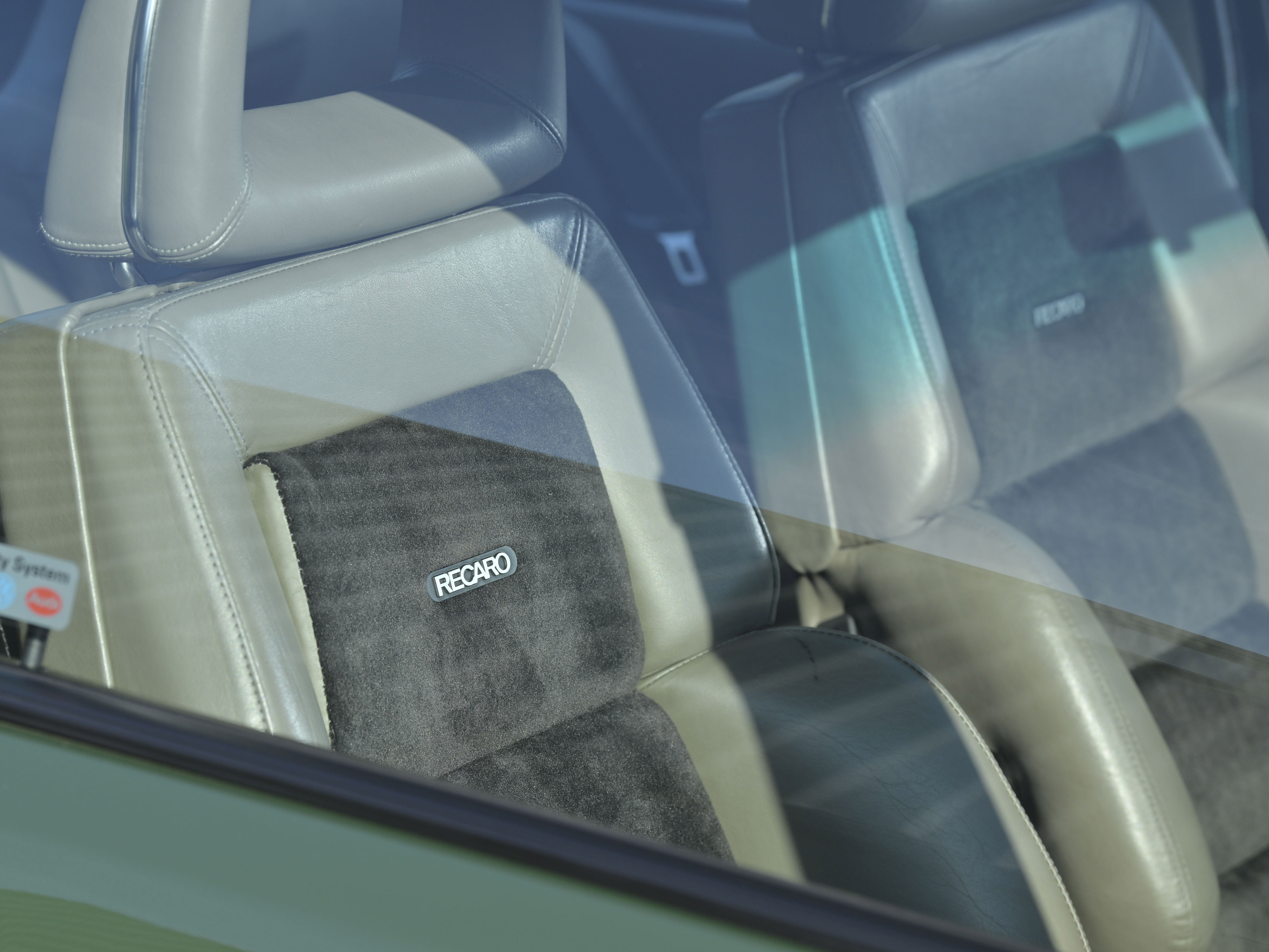
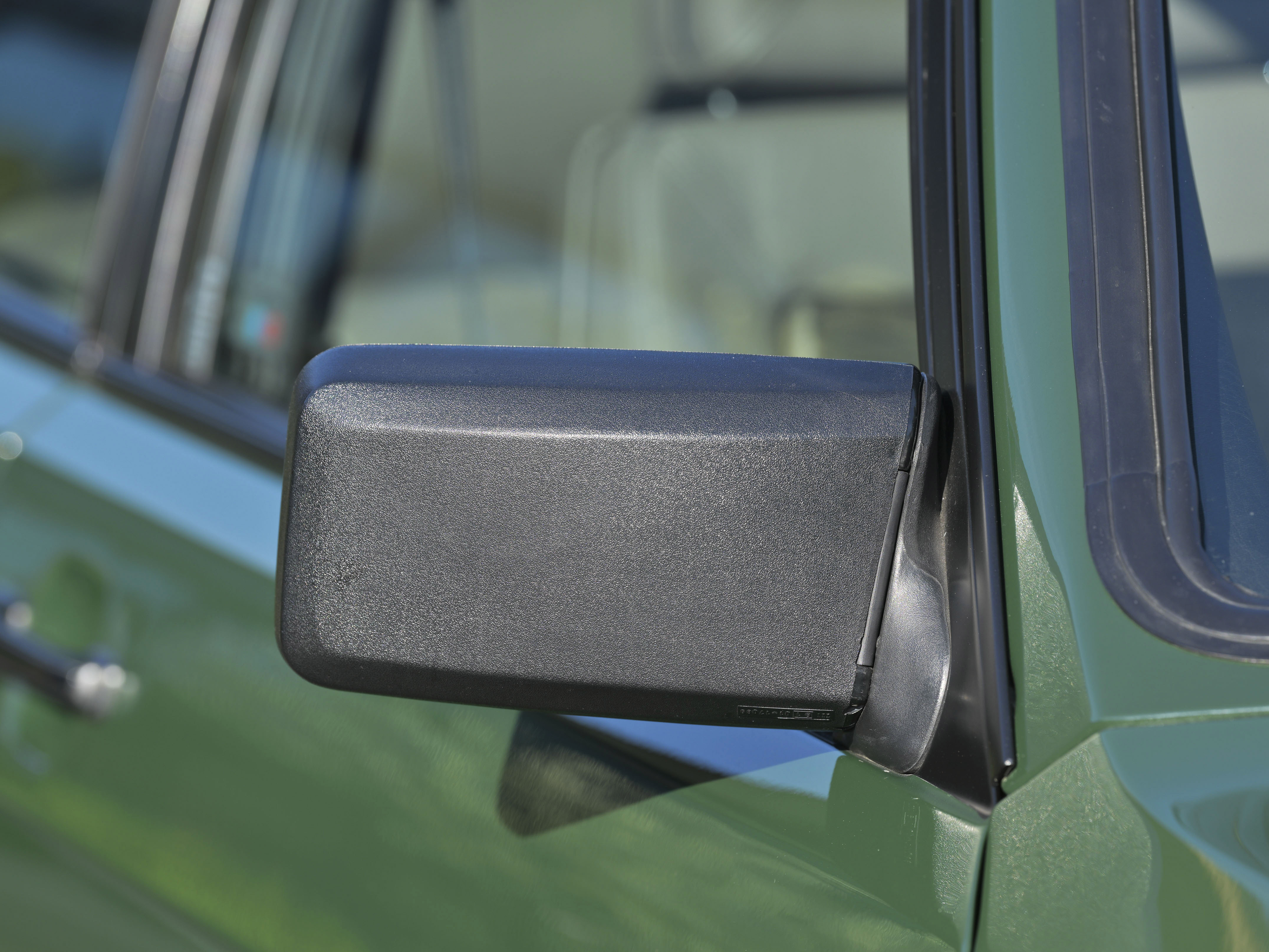
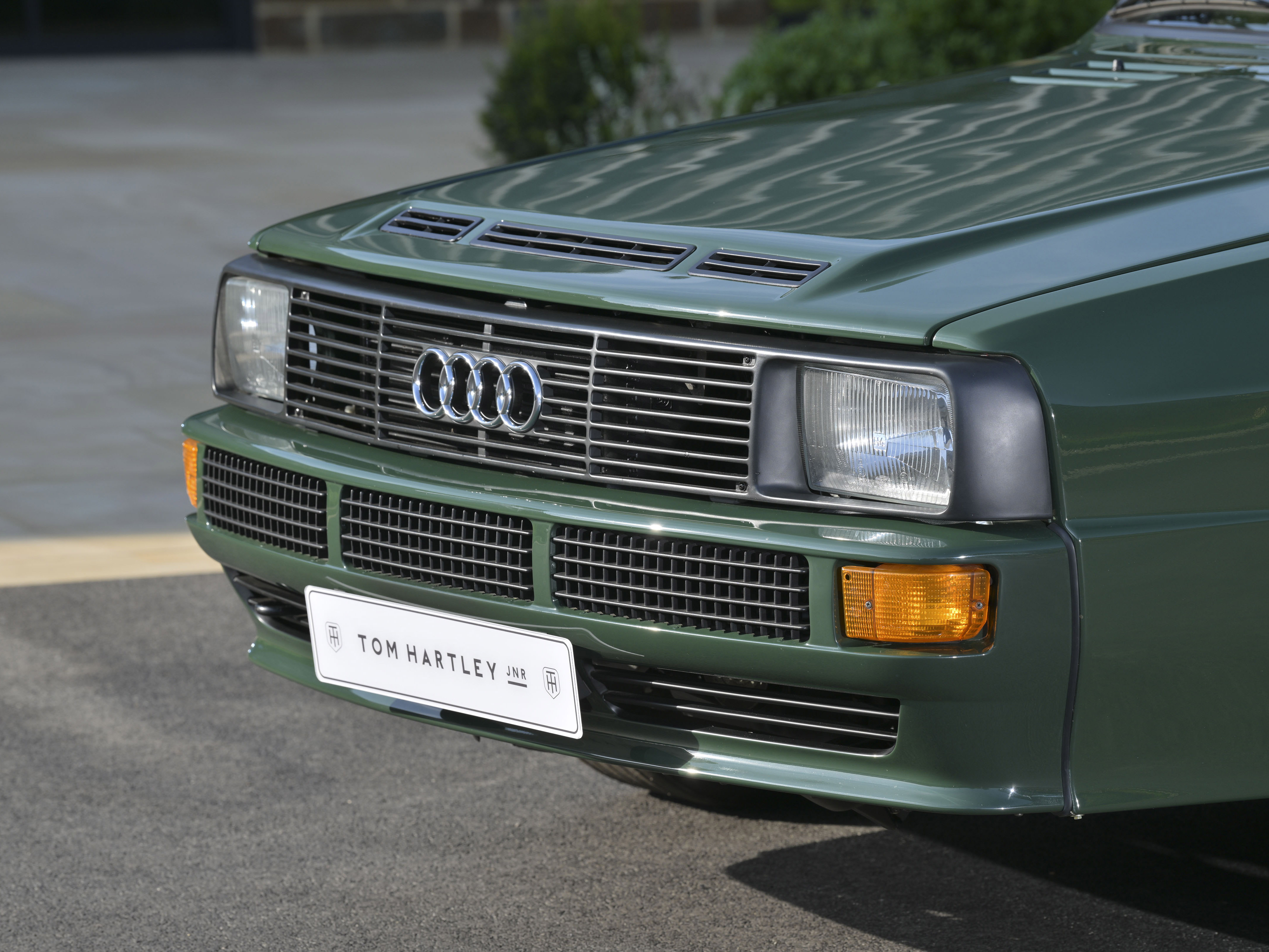
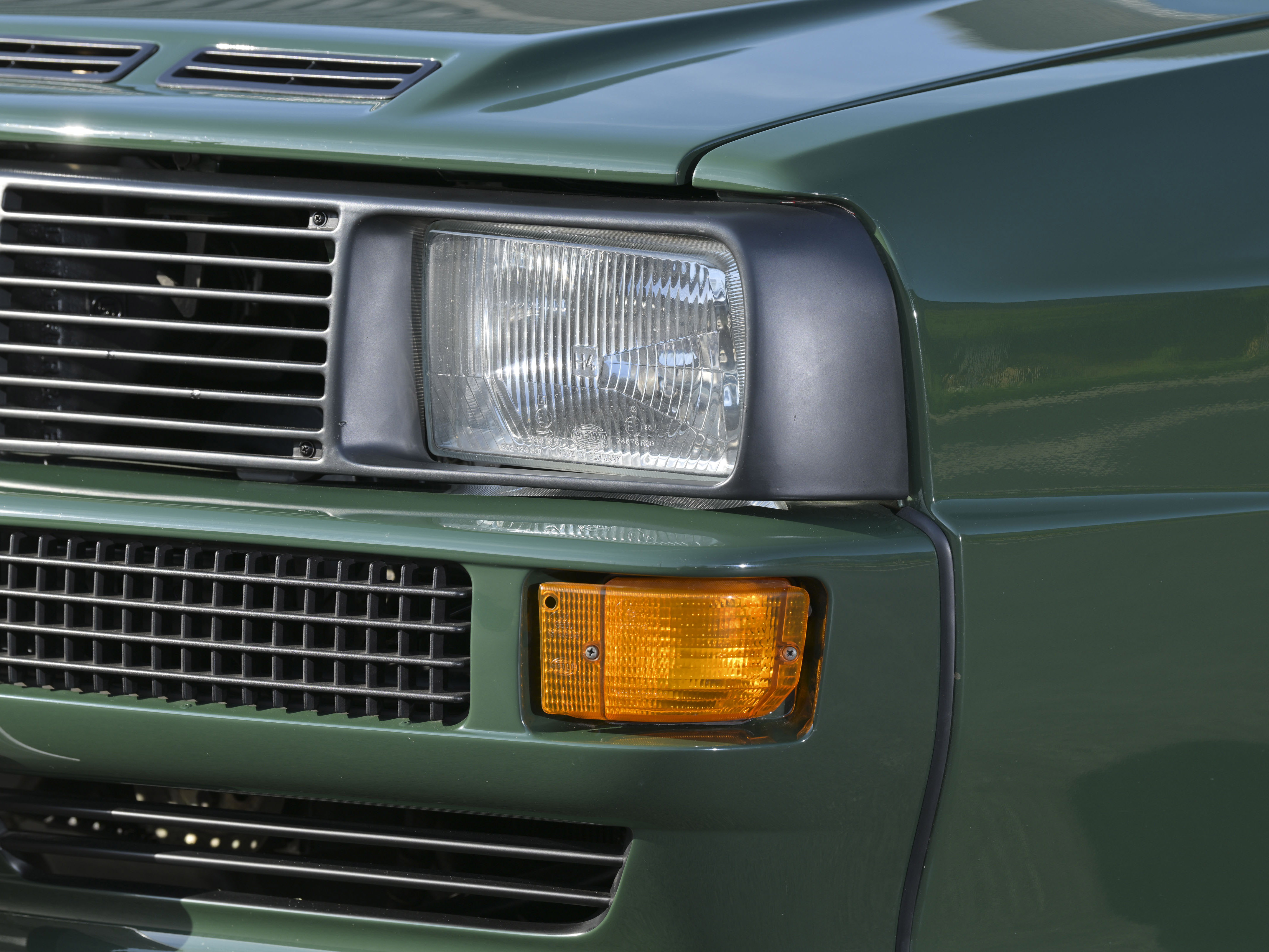
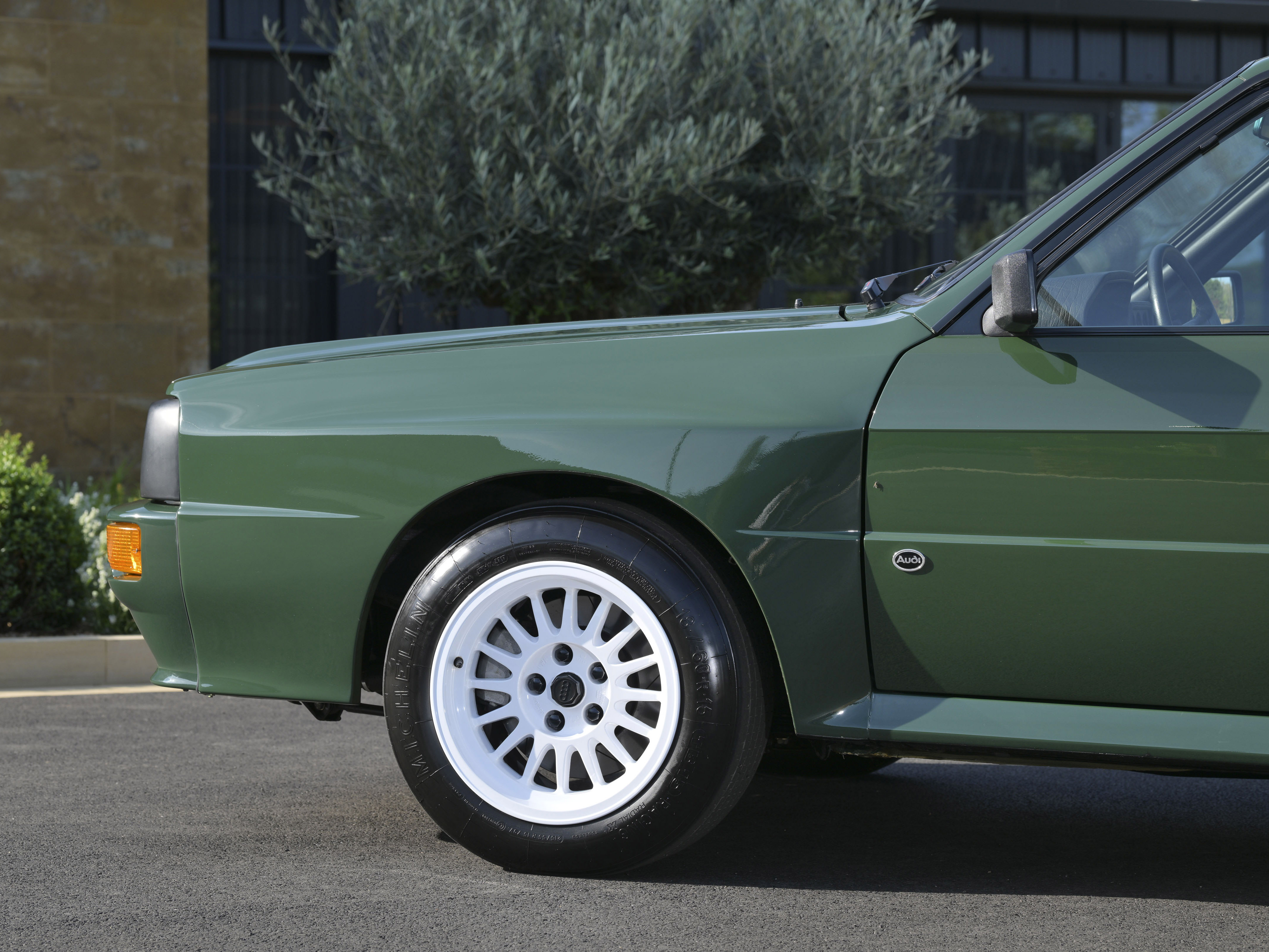
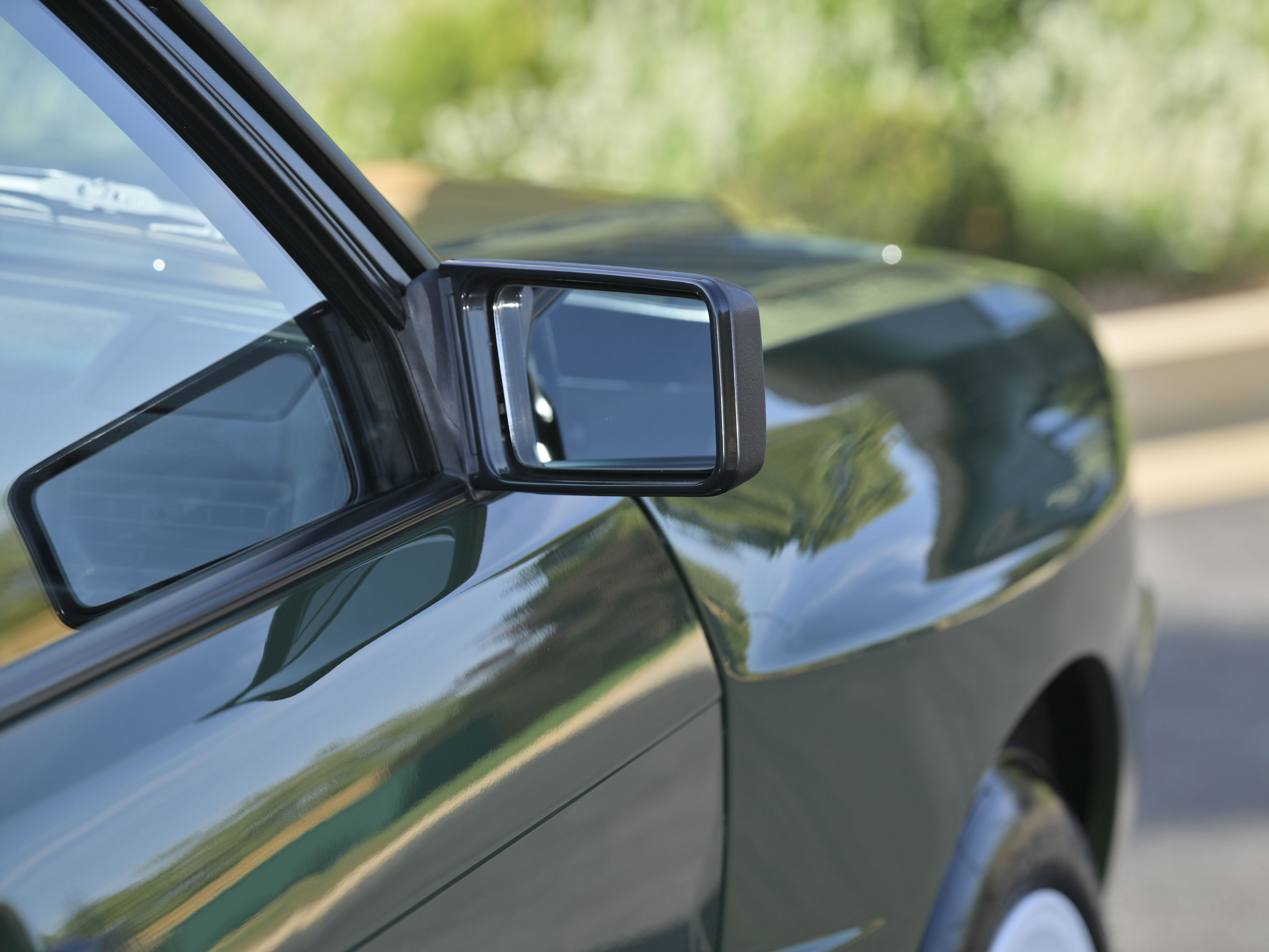
Among those fifteen examples is chassis 905193, completed on 17th December 1984 and finished from new in the highly sophisticated and exceptionally desirable colour combination of Malachite Green over Quartz leather with black cloth-centre Recaro seats.
Delivered new in Germany, the Sport Quattro spent its first ten years with Bischoff & Hamel of Hannover, one of the city’s long-established Audi dealerships, before passing to the Ritz family, other respected Audi dealers based in Hesse, who retained the car for a further seven years. In 2001, it was acquired by Mr Reinhard Sadlowski of Berlin, who remained its custodian for the next fourteen years.
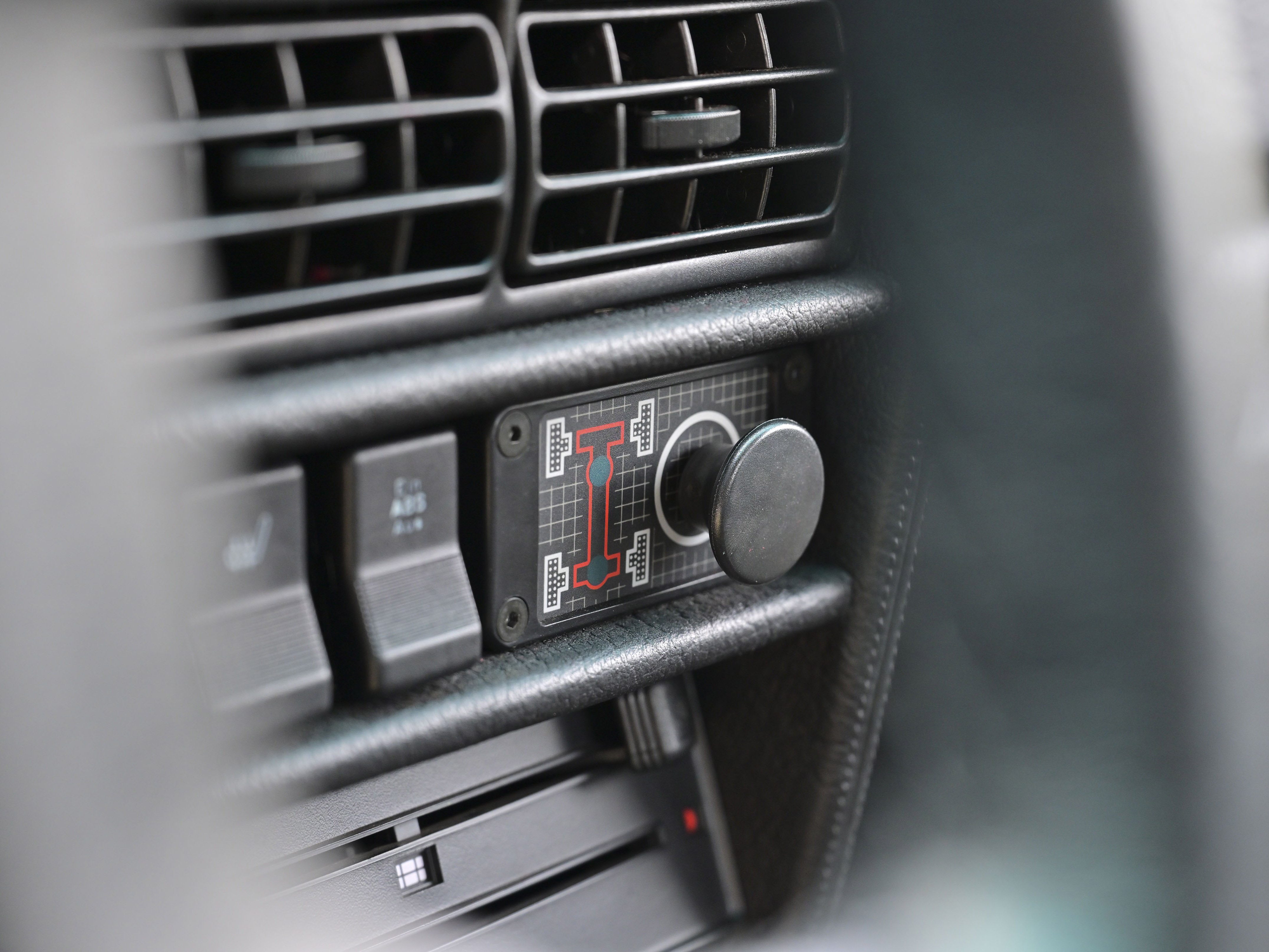
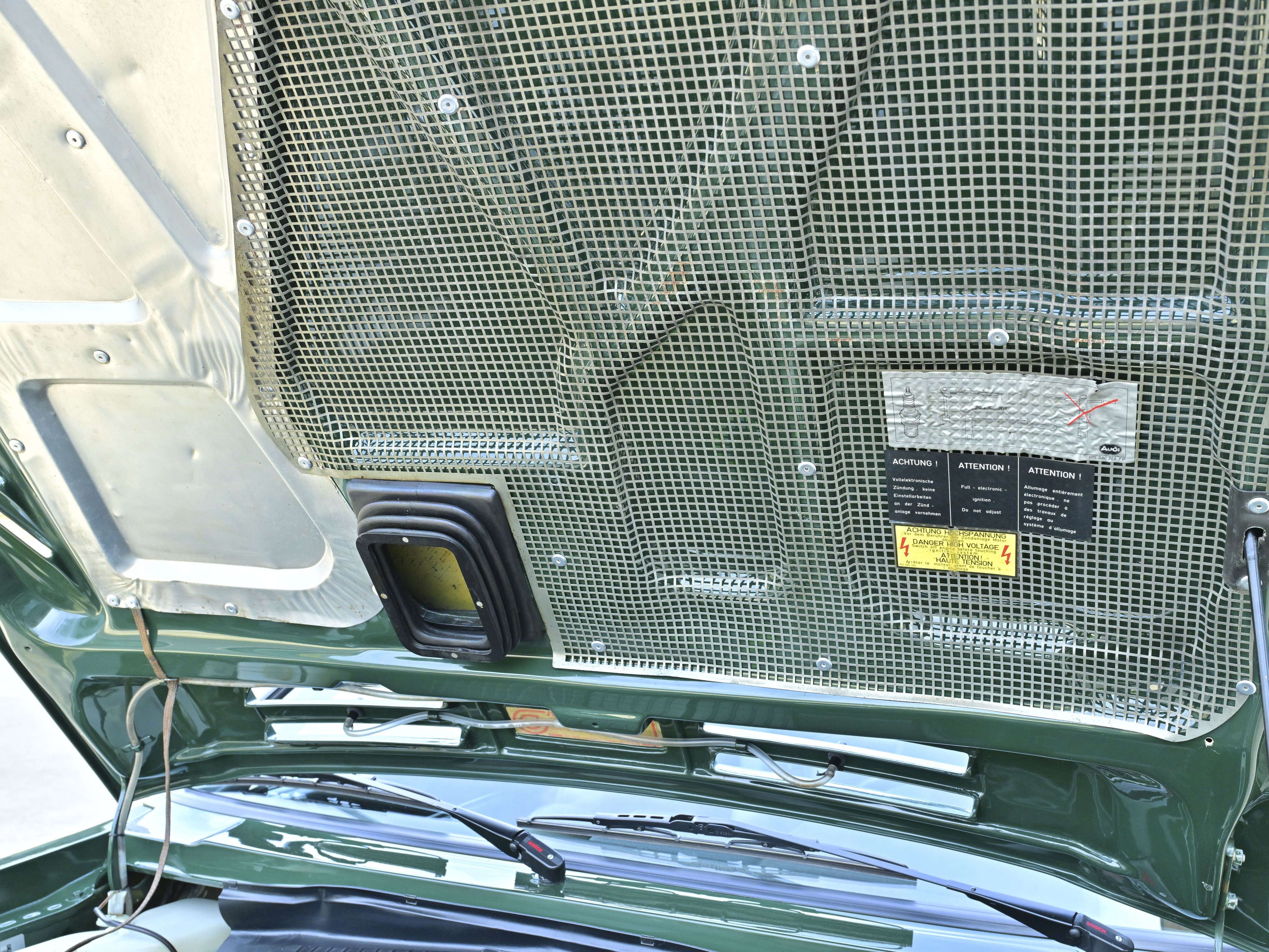
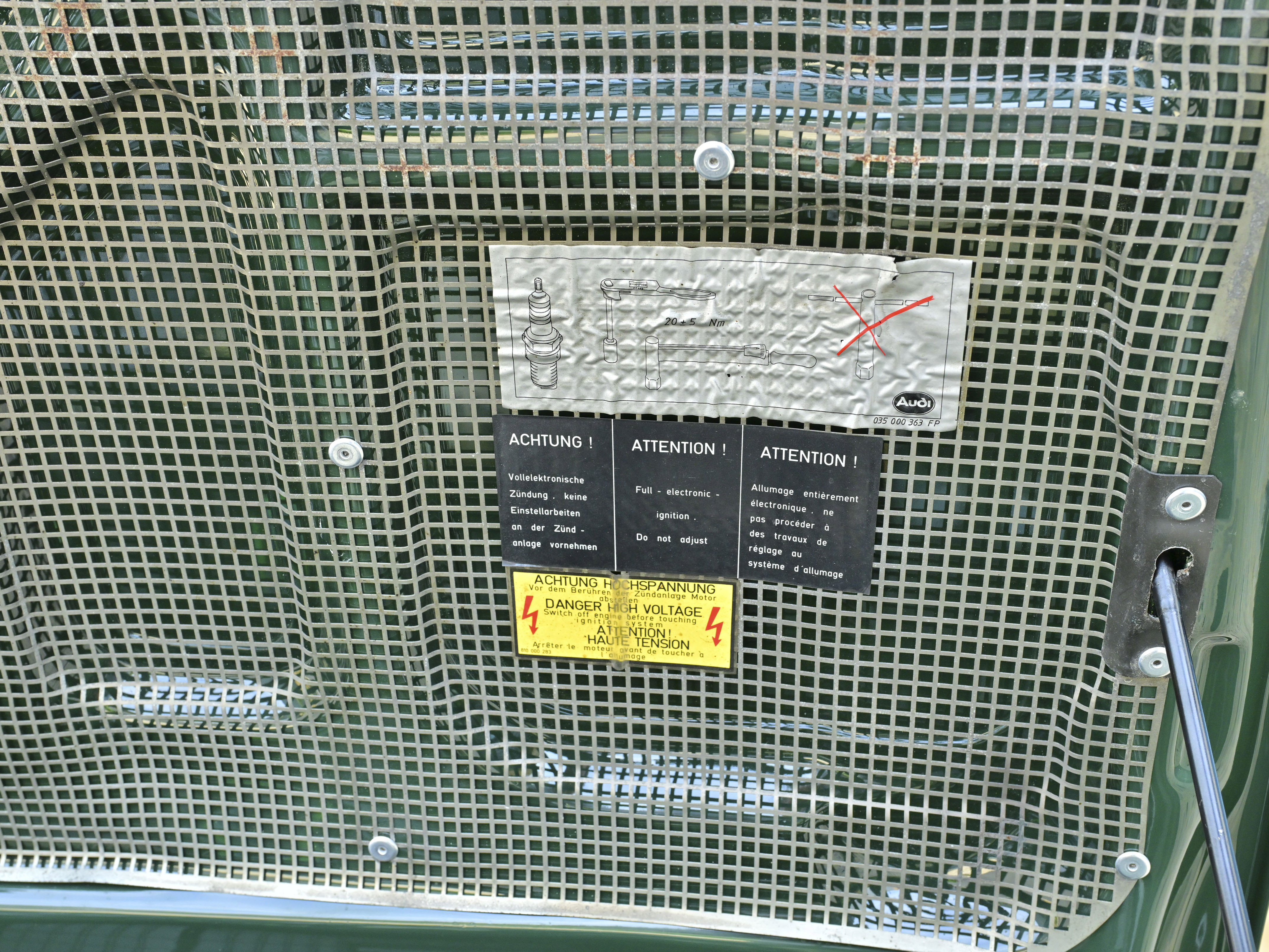
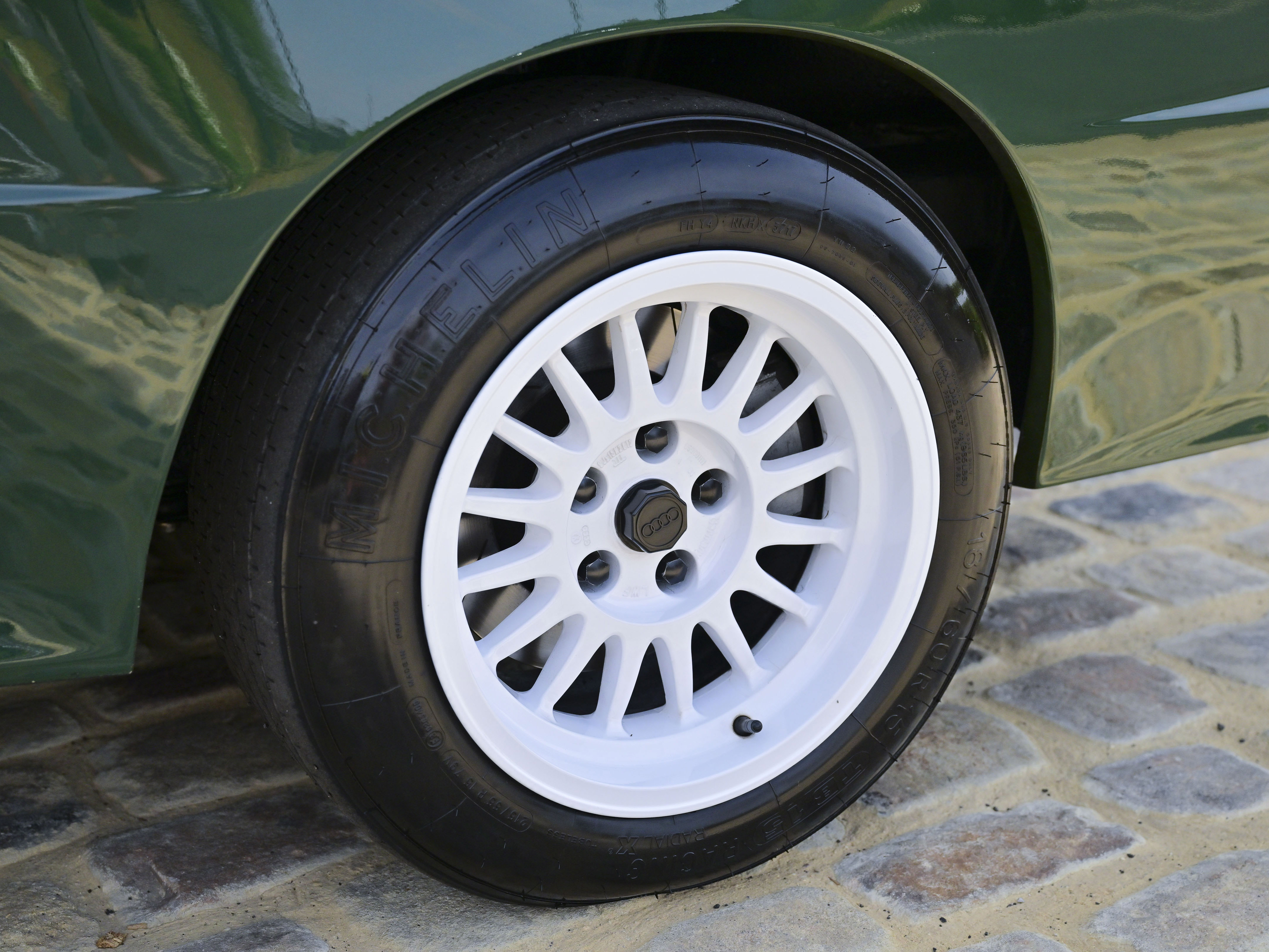
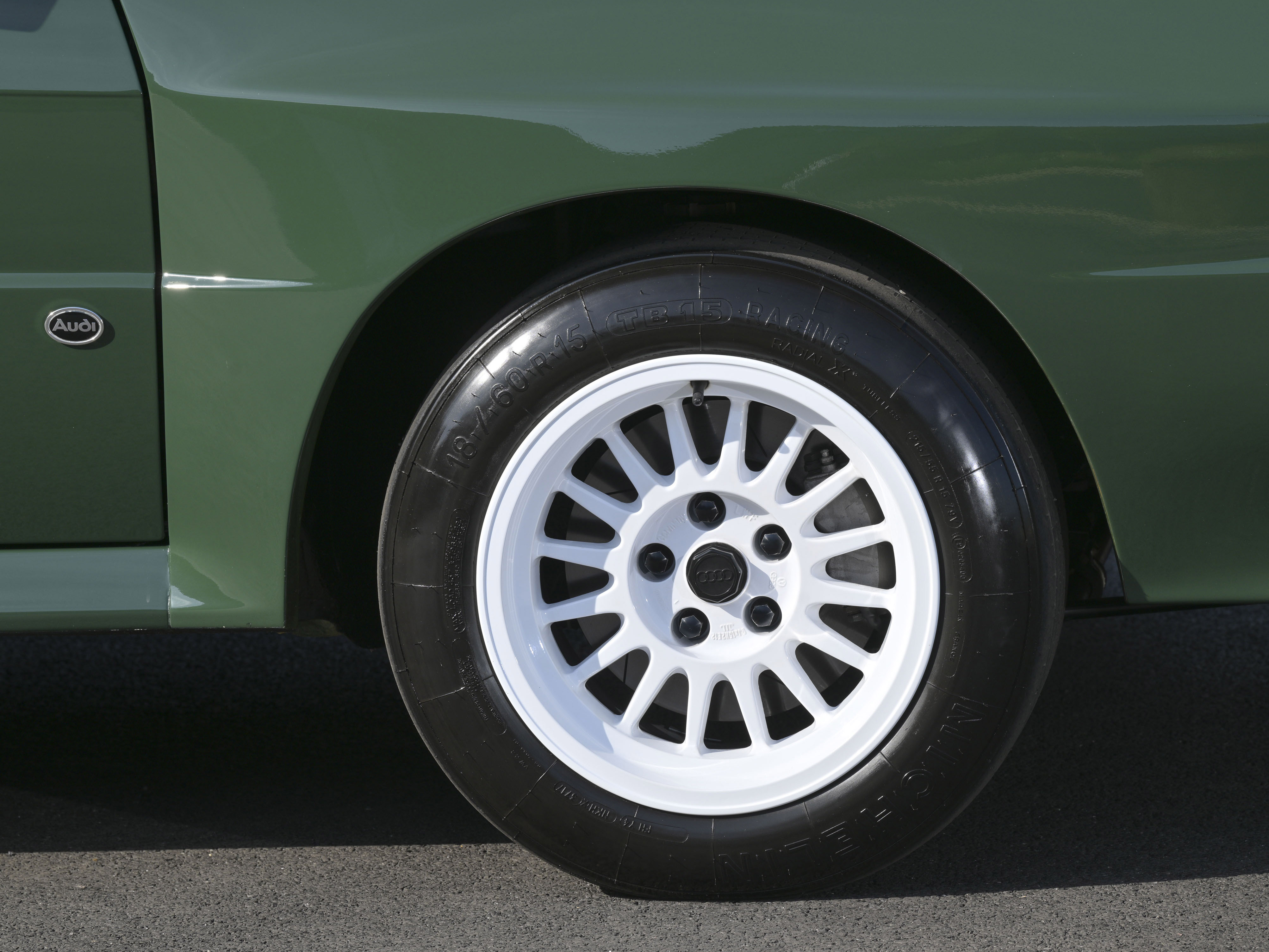
Its most recent custodian has been one of Europe’s most prominent collectors, whose stable has included a Ferrari 250 GTO and McLaren F1 GTR, to name but a few. Shortly after acquiring the car in 2015, he entrusted it to Lanzante Ltd in Petersfield, where it has remained under their care ever since. During this period, the composite body was stripped back and painstakingly refinished in its original Malachite Green, while the car also benefited from extensive mechanical recommissioning, with every detail restored to period-correct specification.
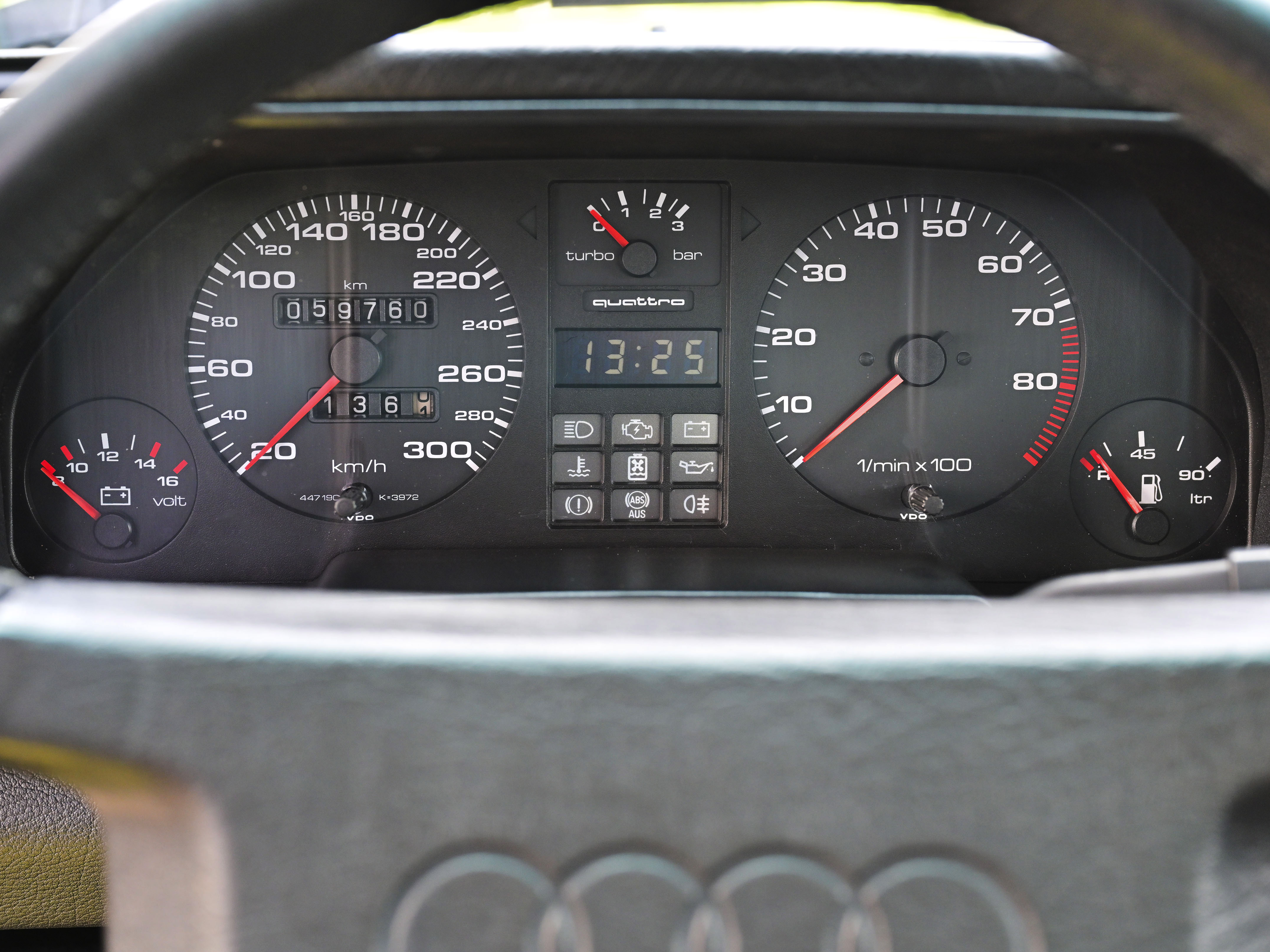
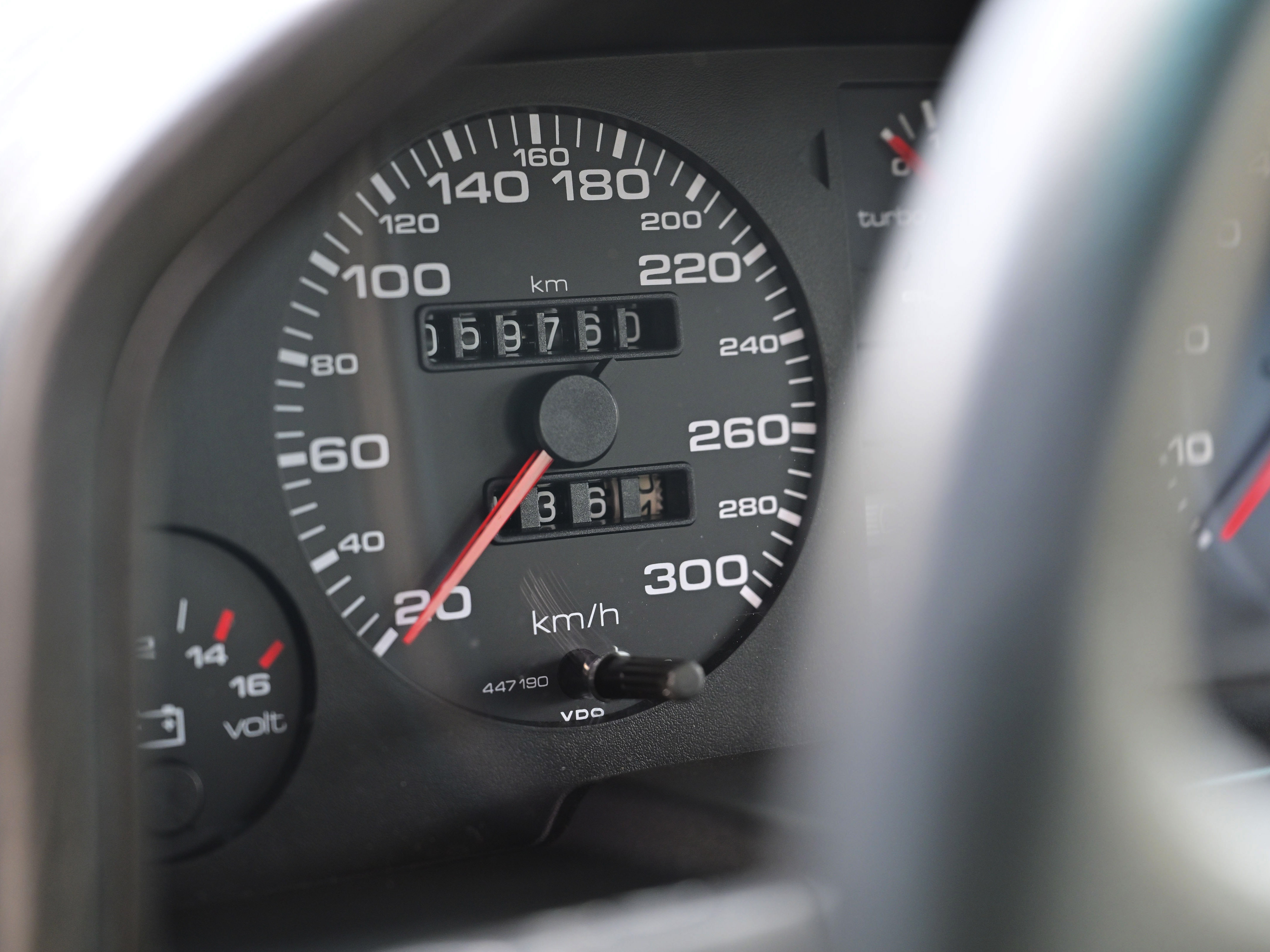
Today, this Sport Quattro must rank among the finest examples to come to market in recent years. With fewer than 60,000 kilometres from new, more than three decades of continuous German ownership, long-term residence within one of Europe’s foremost private collections, and almost a decade of specialist care by Lanzante, it represents an exceptional opportunity to acquire one of Audi’s most celebrated homologation specials.
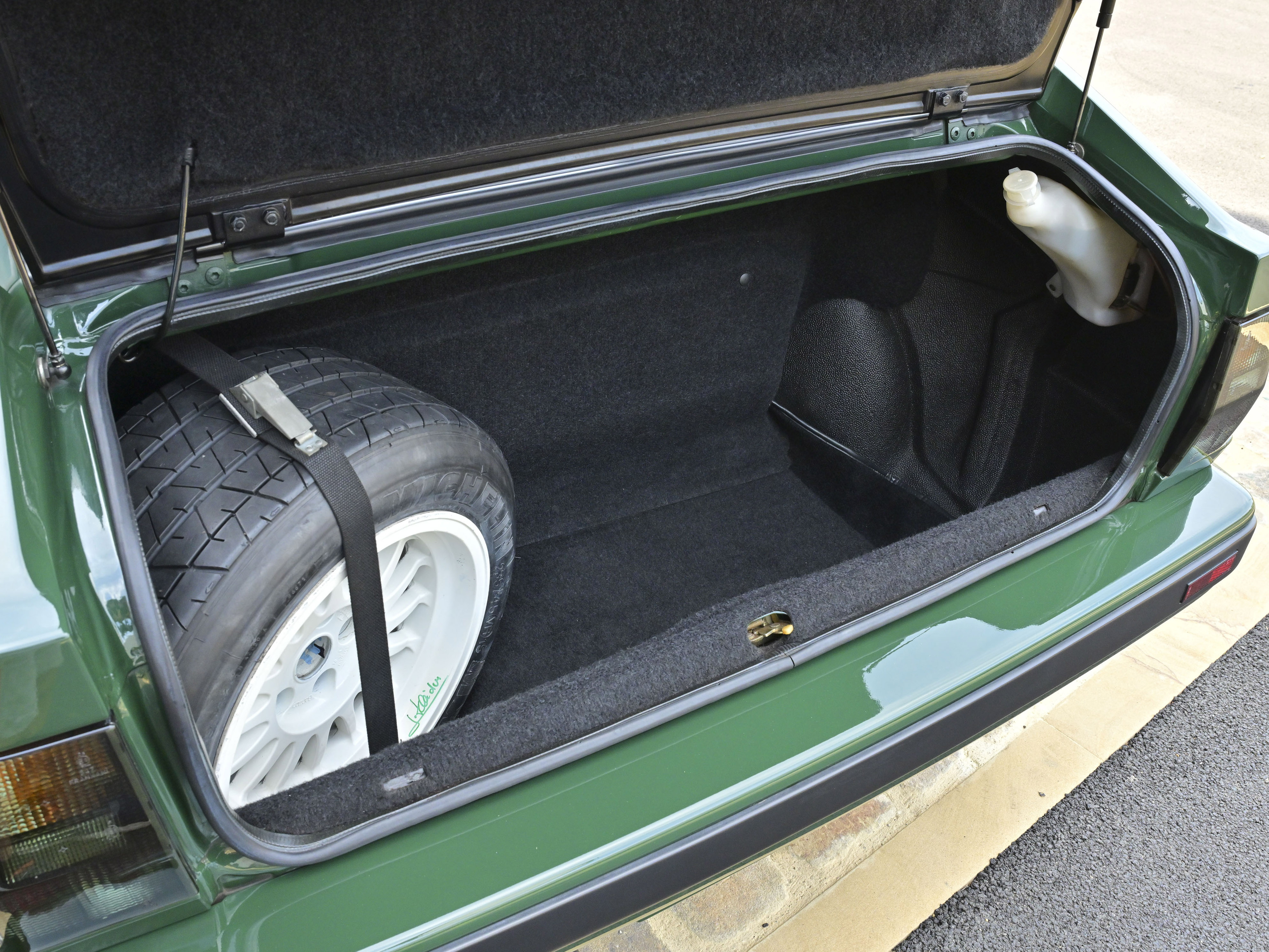
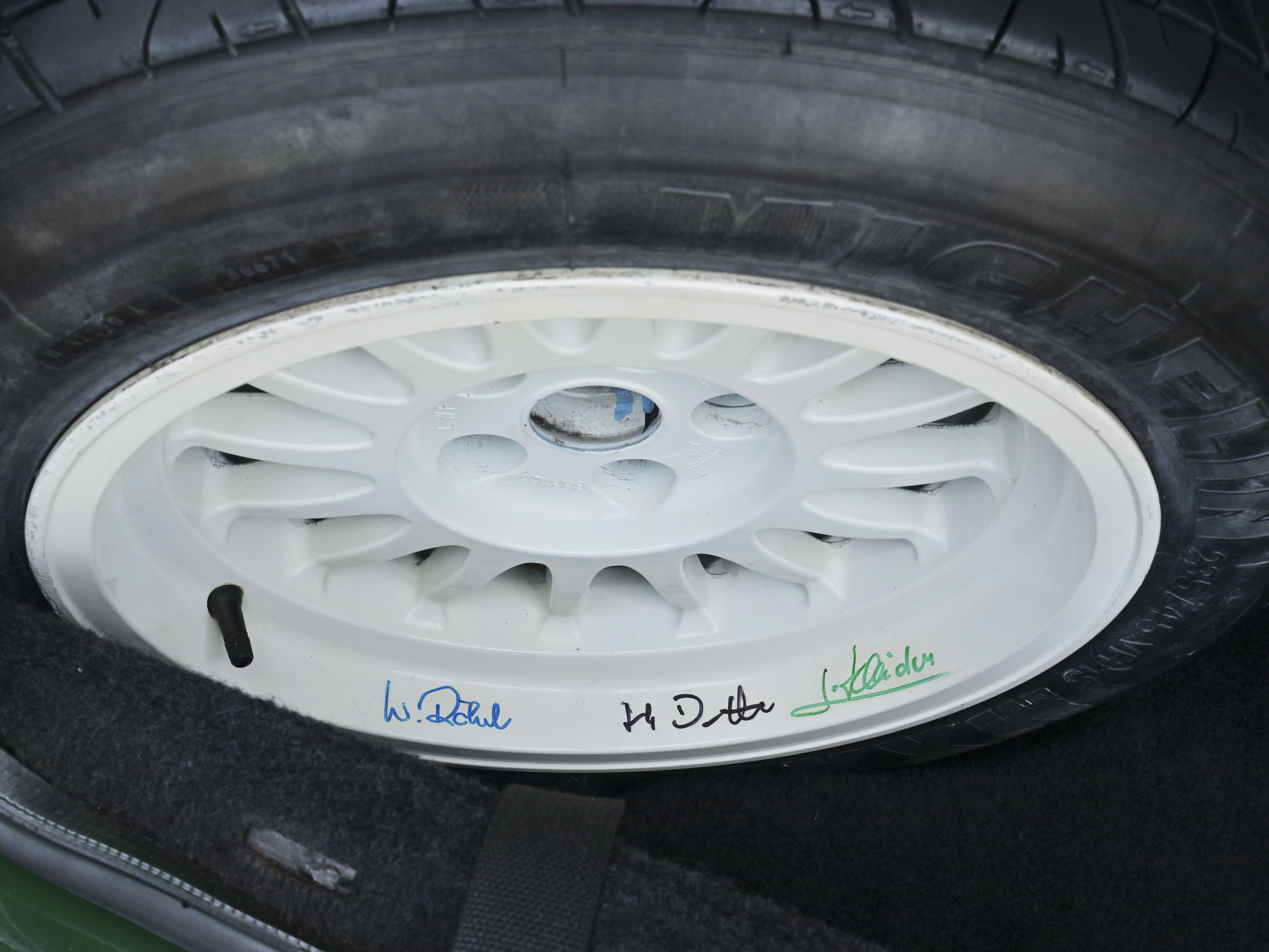
It is offered complete with its dedicated history file. In addition, the spare wheel bears the signature of Walter Röhrl, one of rallying’s greatest drivers and forever synonymous with Audi’s Group B success.
The Sport Quattro is one of the defining homologation specials of the twentieth century and a landmark in the history of the motor car.
- Mileage 37,133 Miles
- Style du corps Coupe
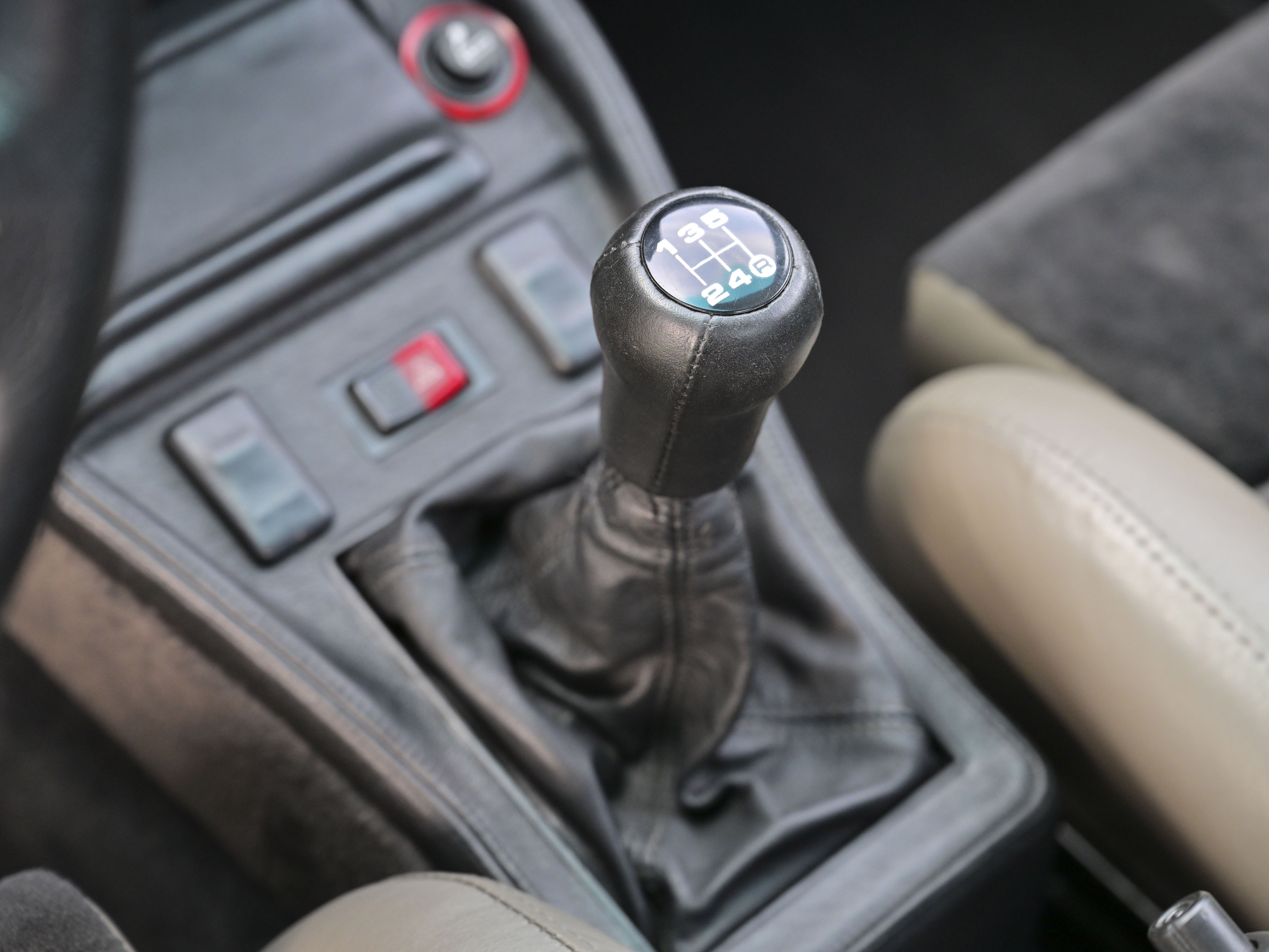
- Transmission Manual
- Capacité du moteur 2,133cc
- Carburant Petrol
- Chassis No. 905193