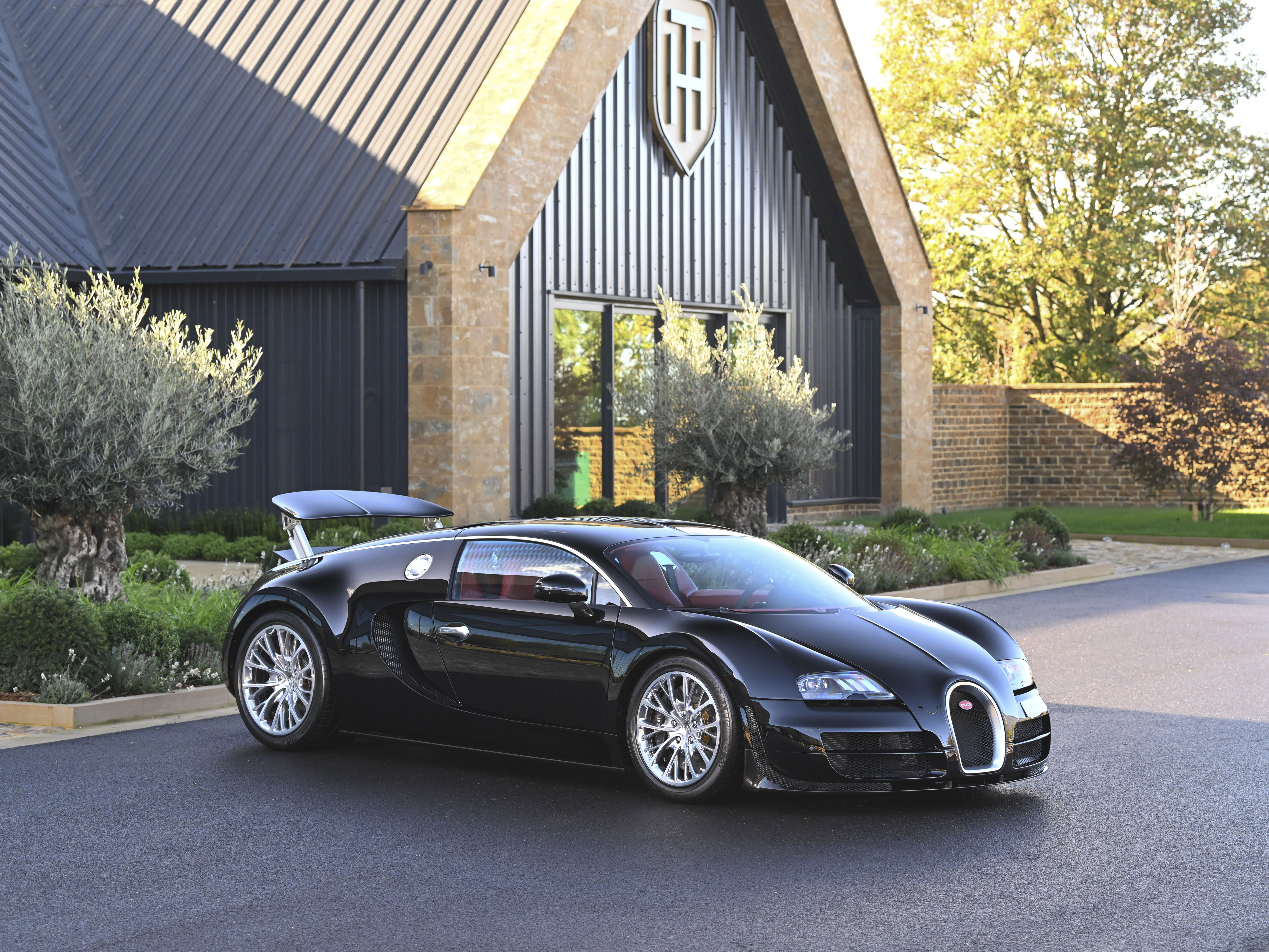
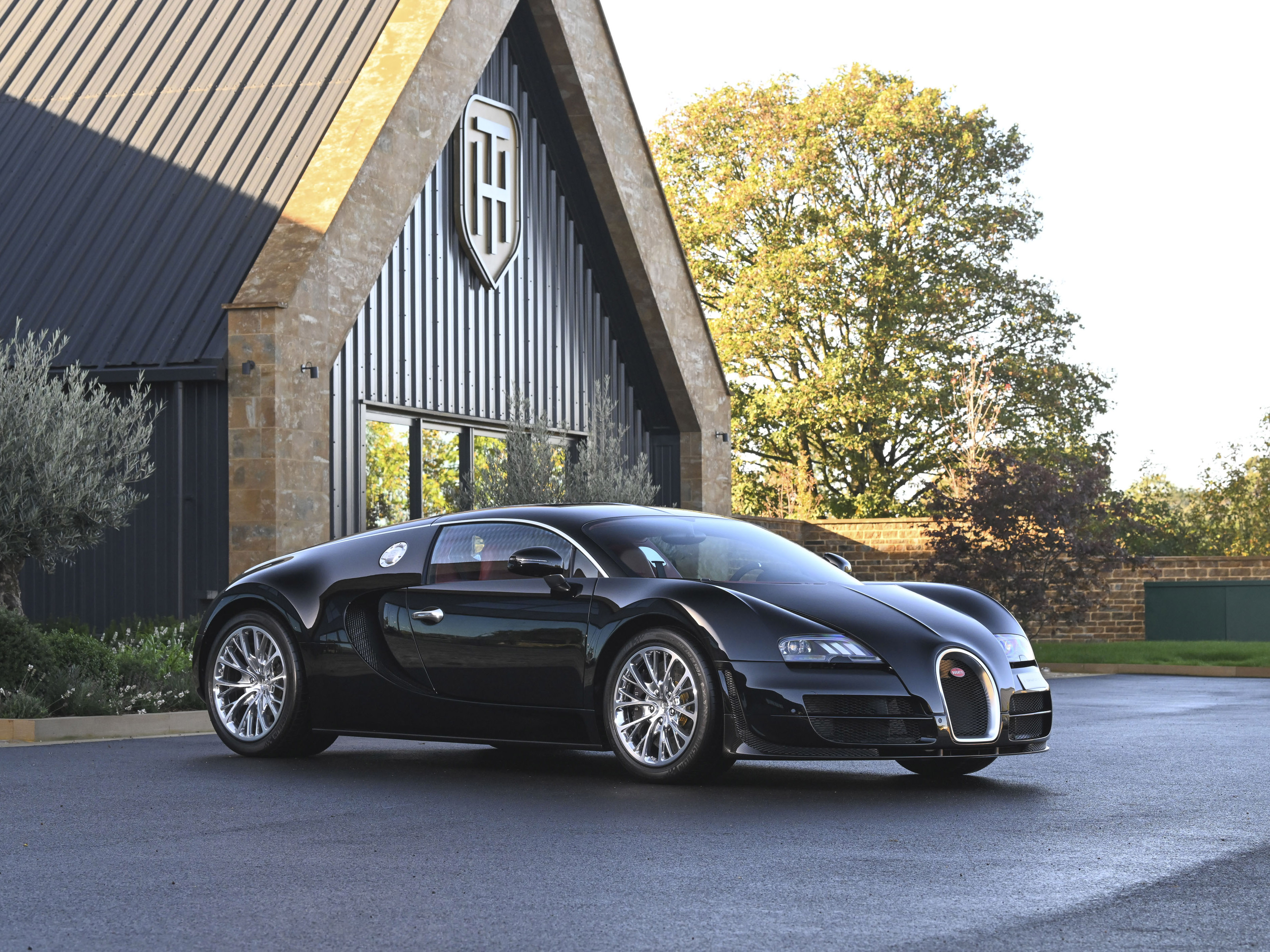
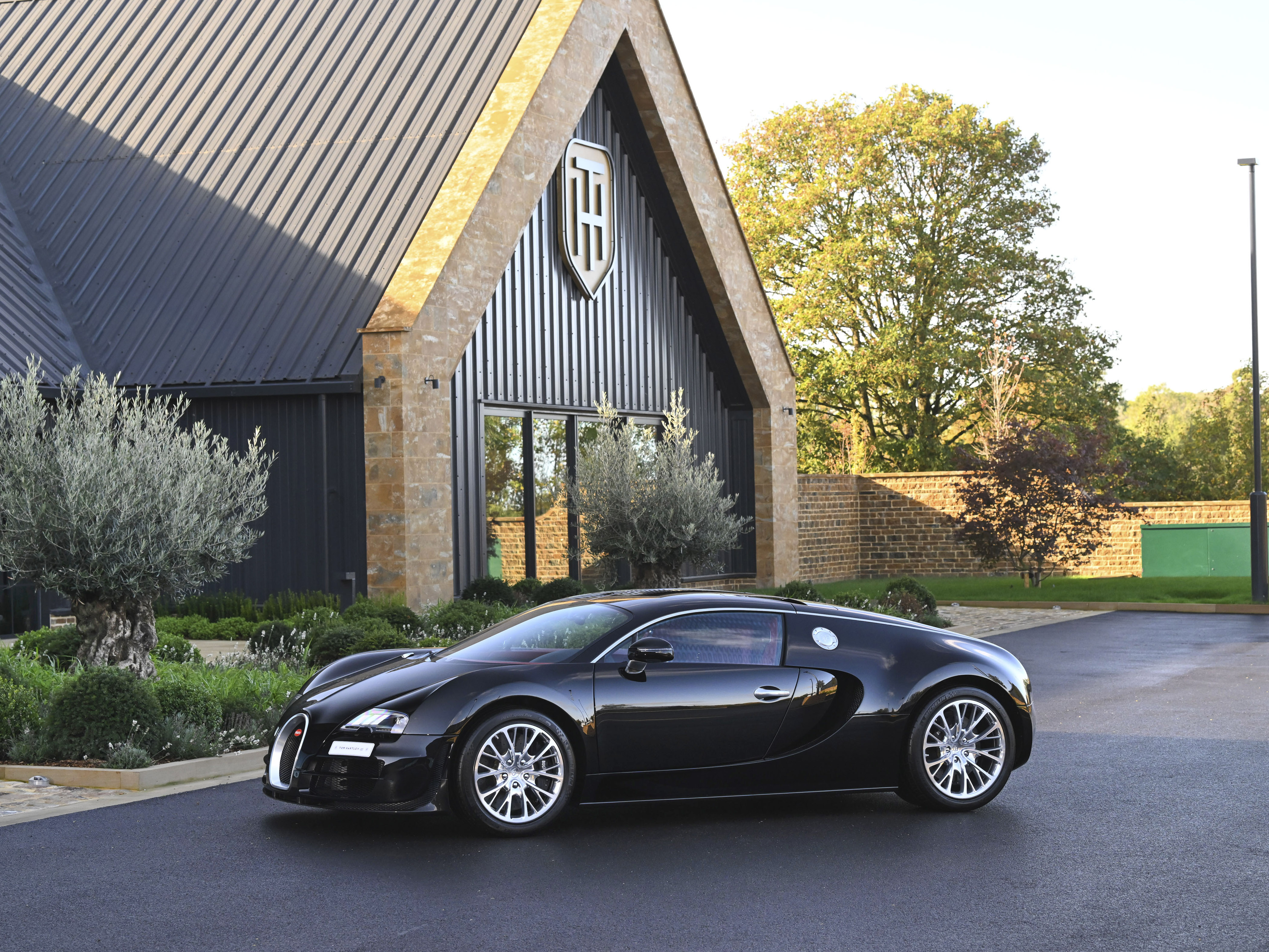
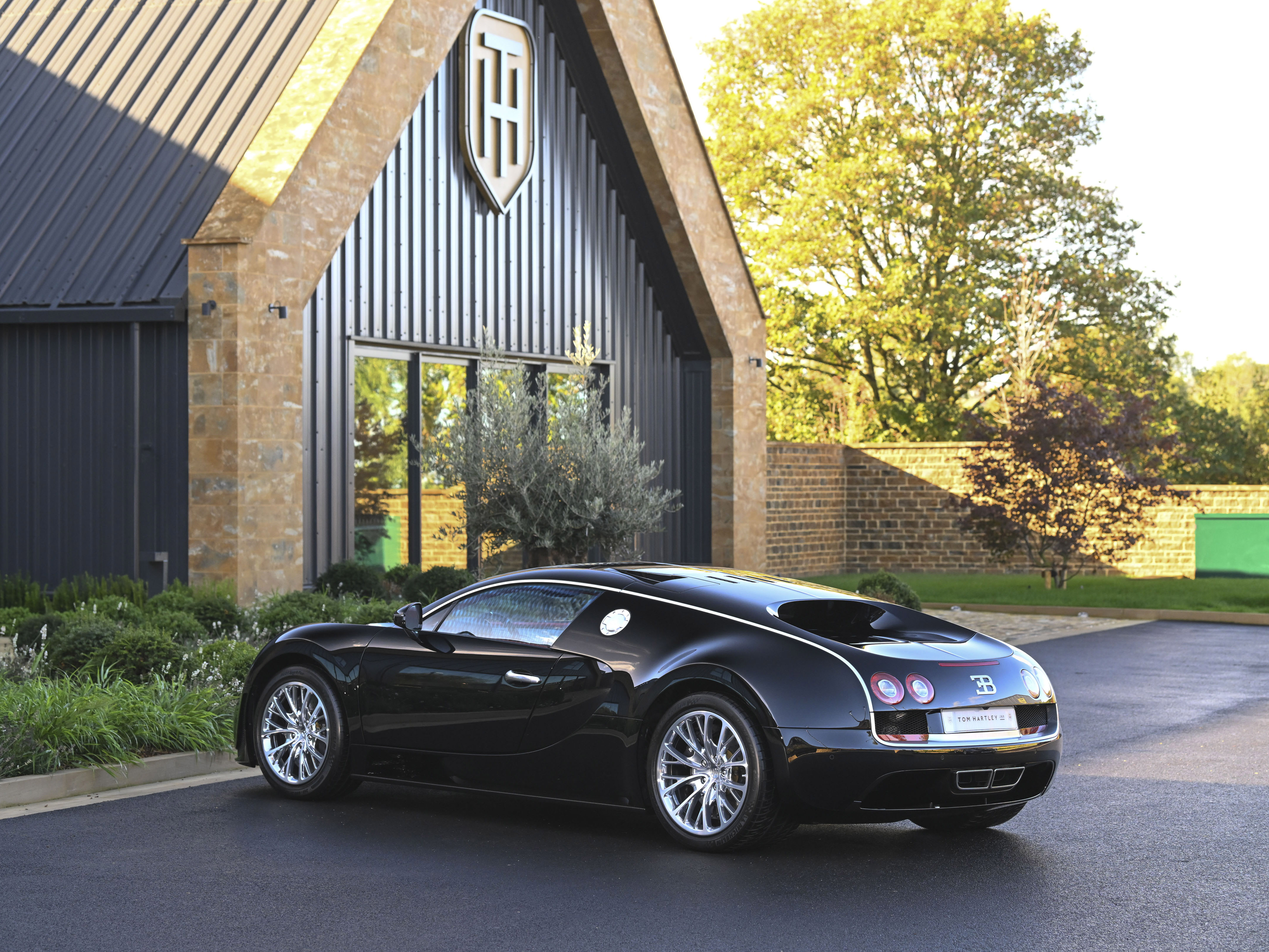
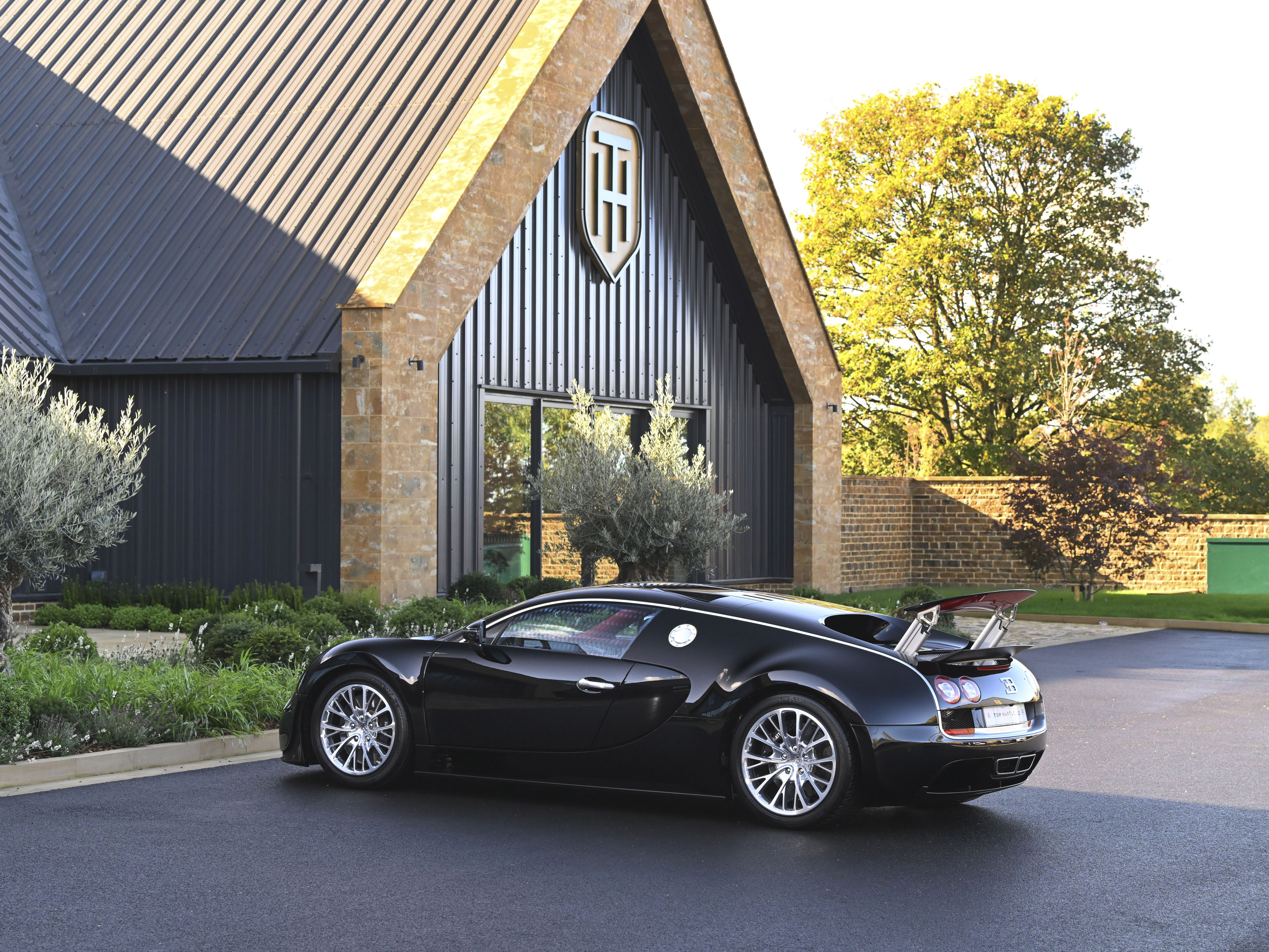
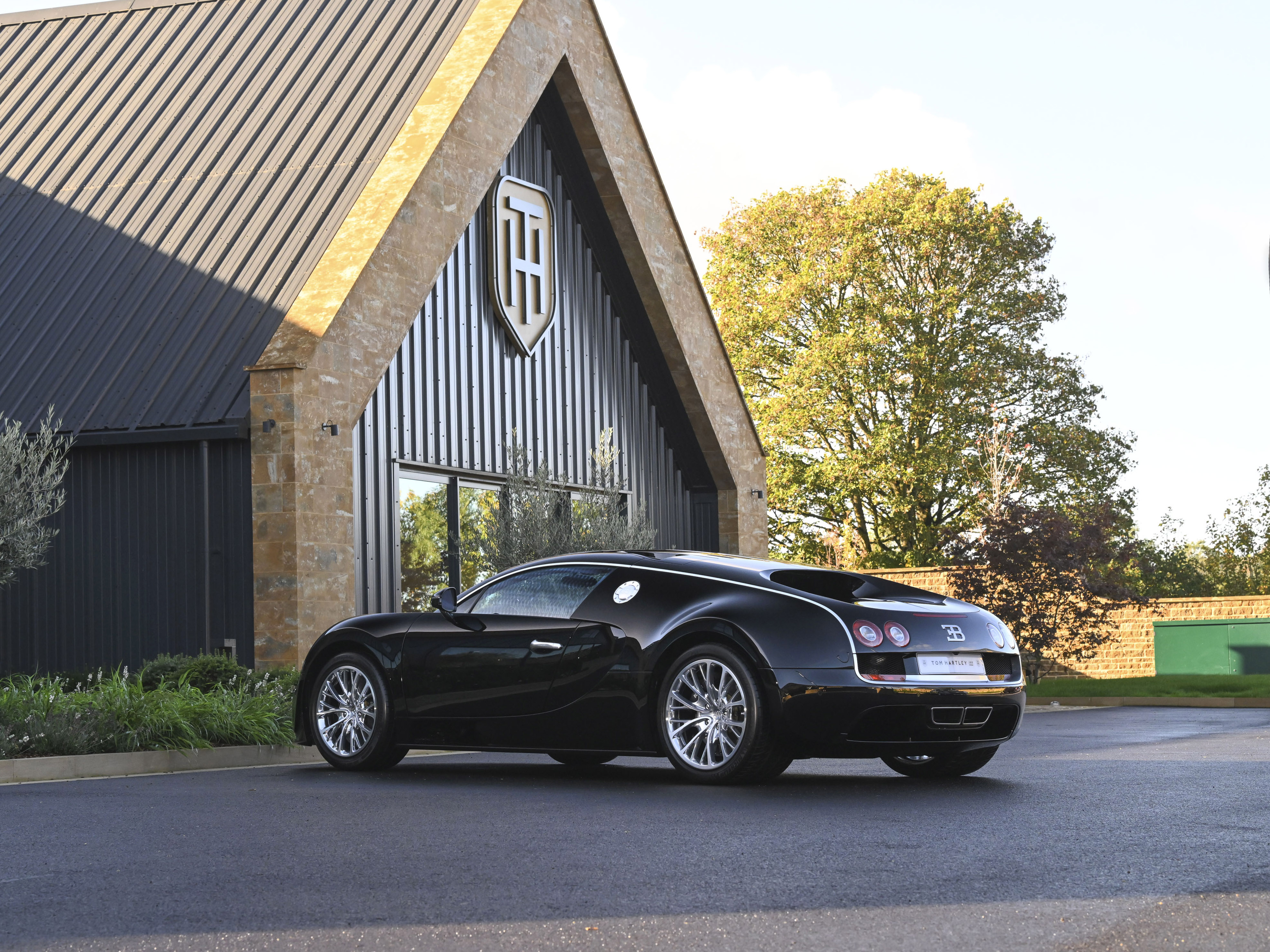
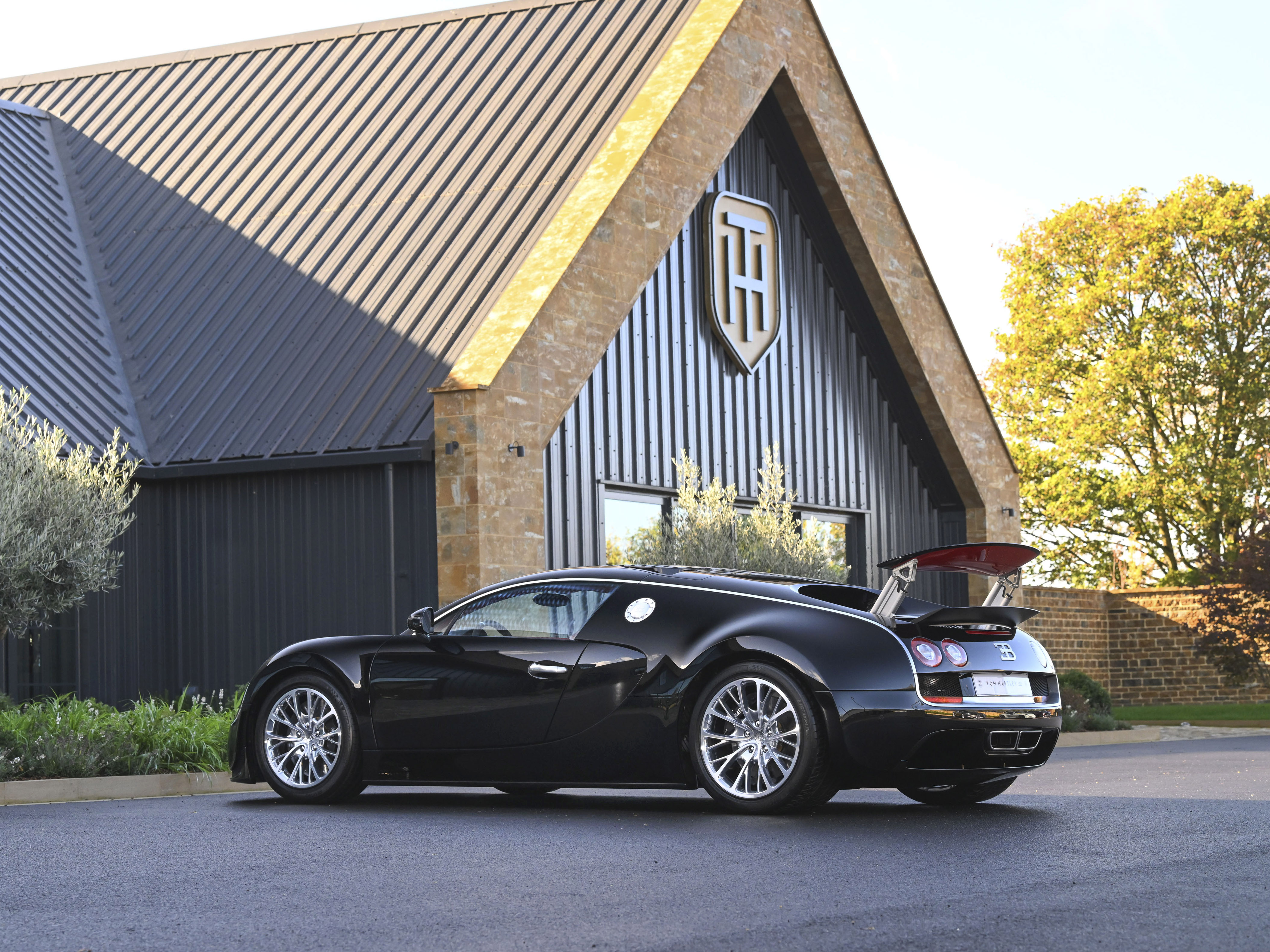
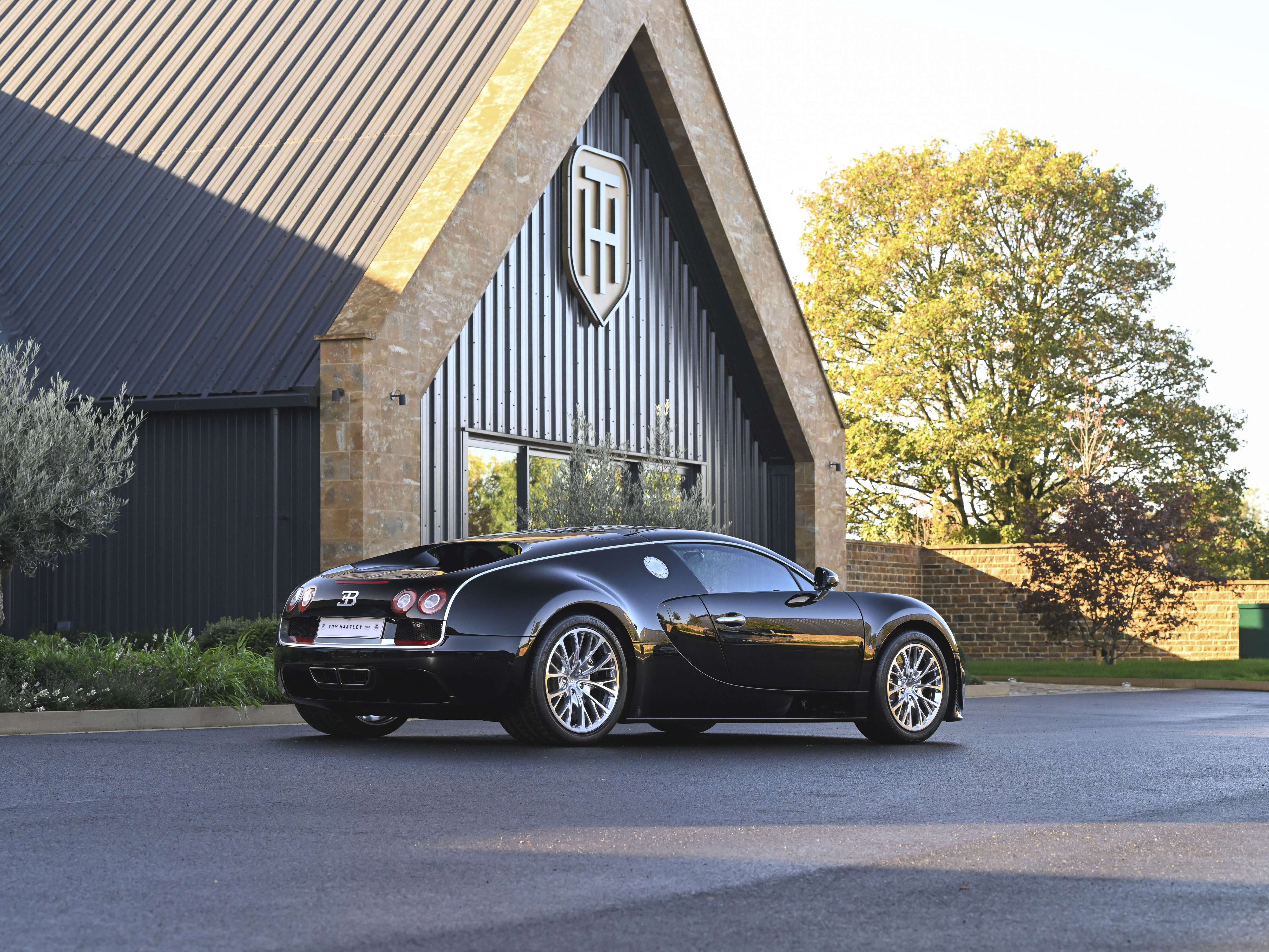
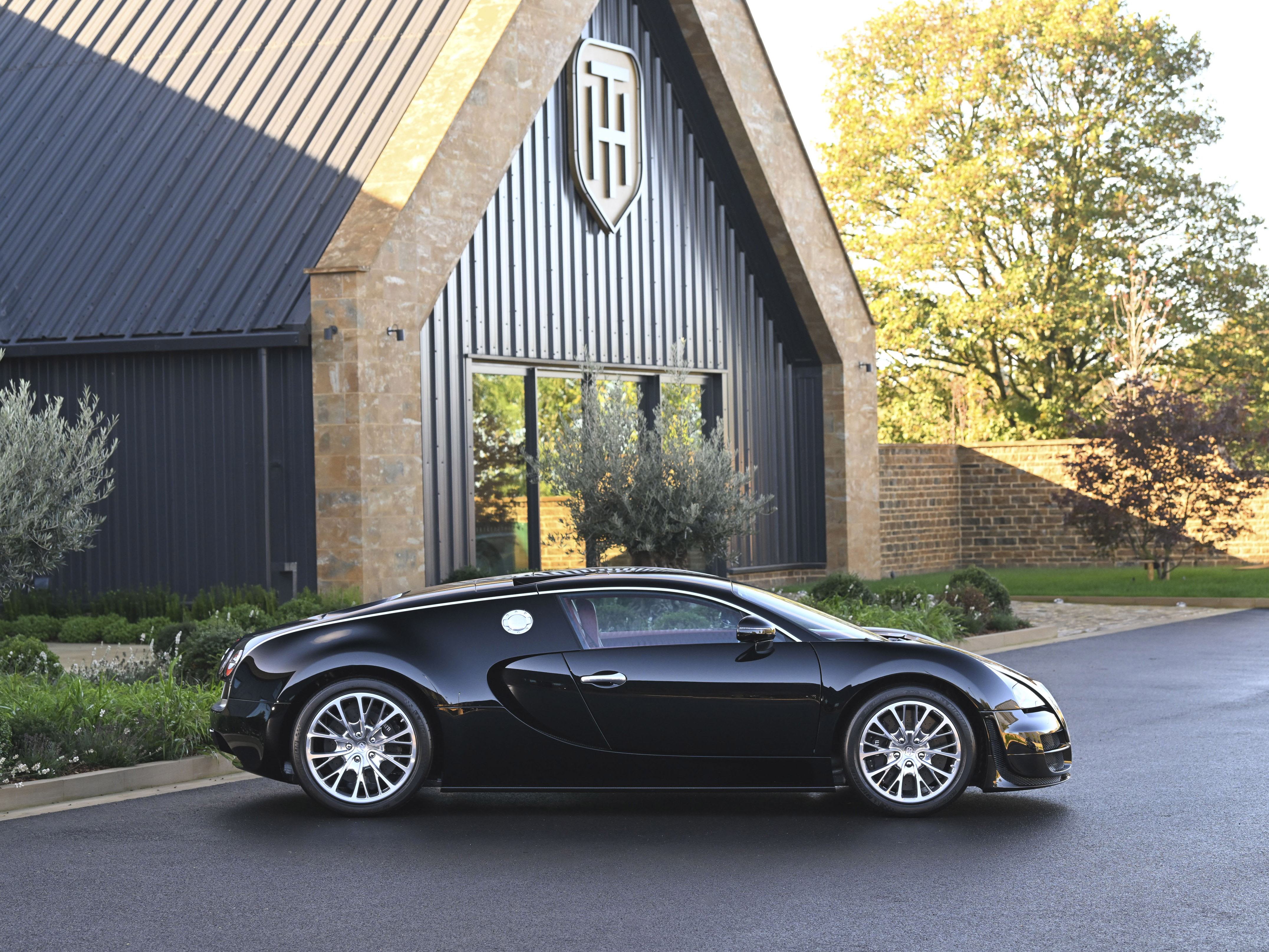
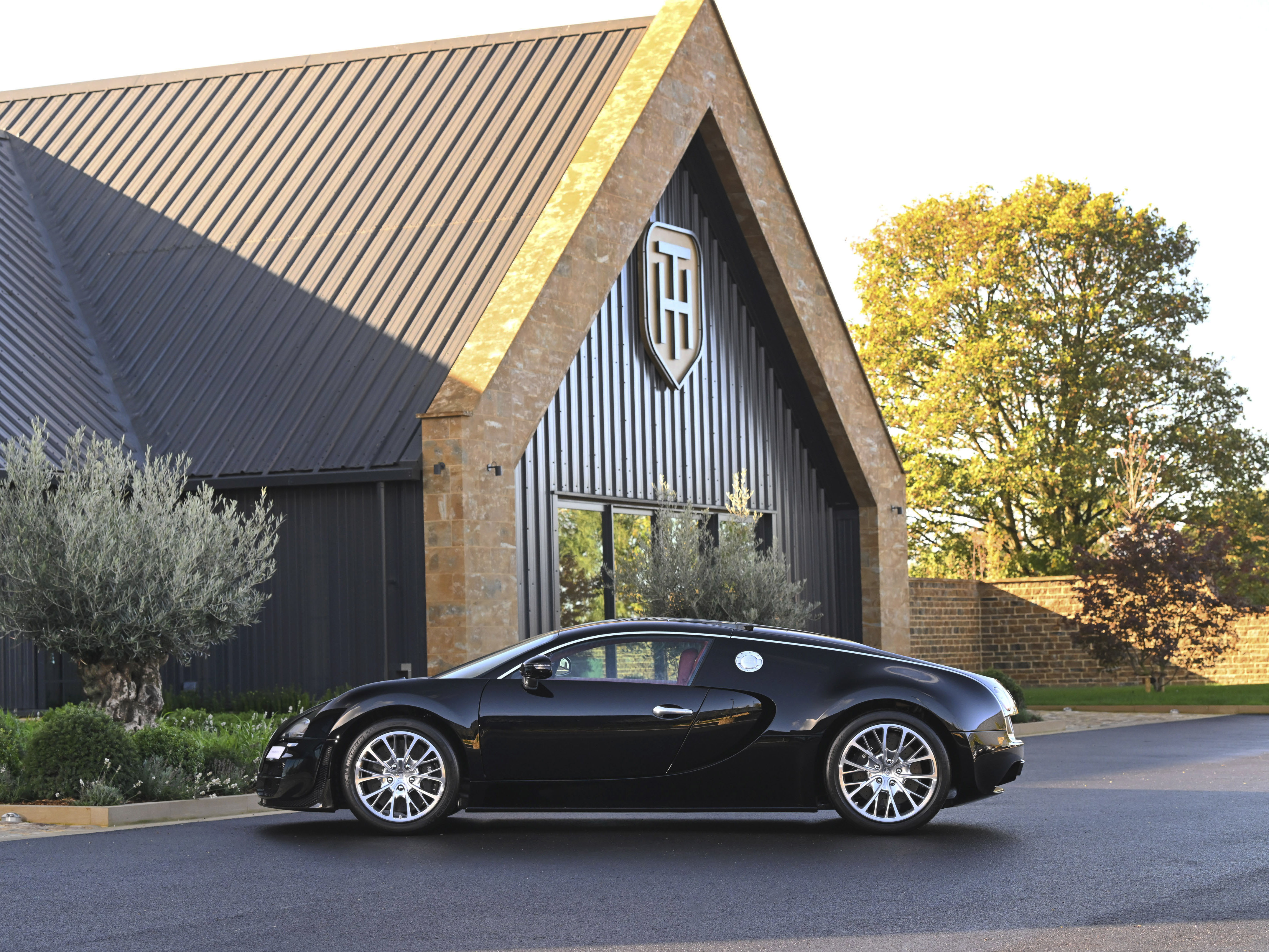
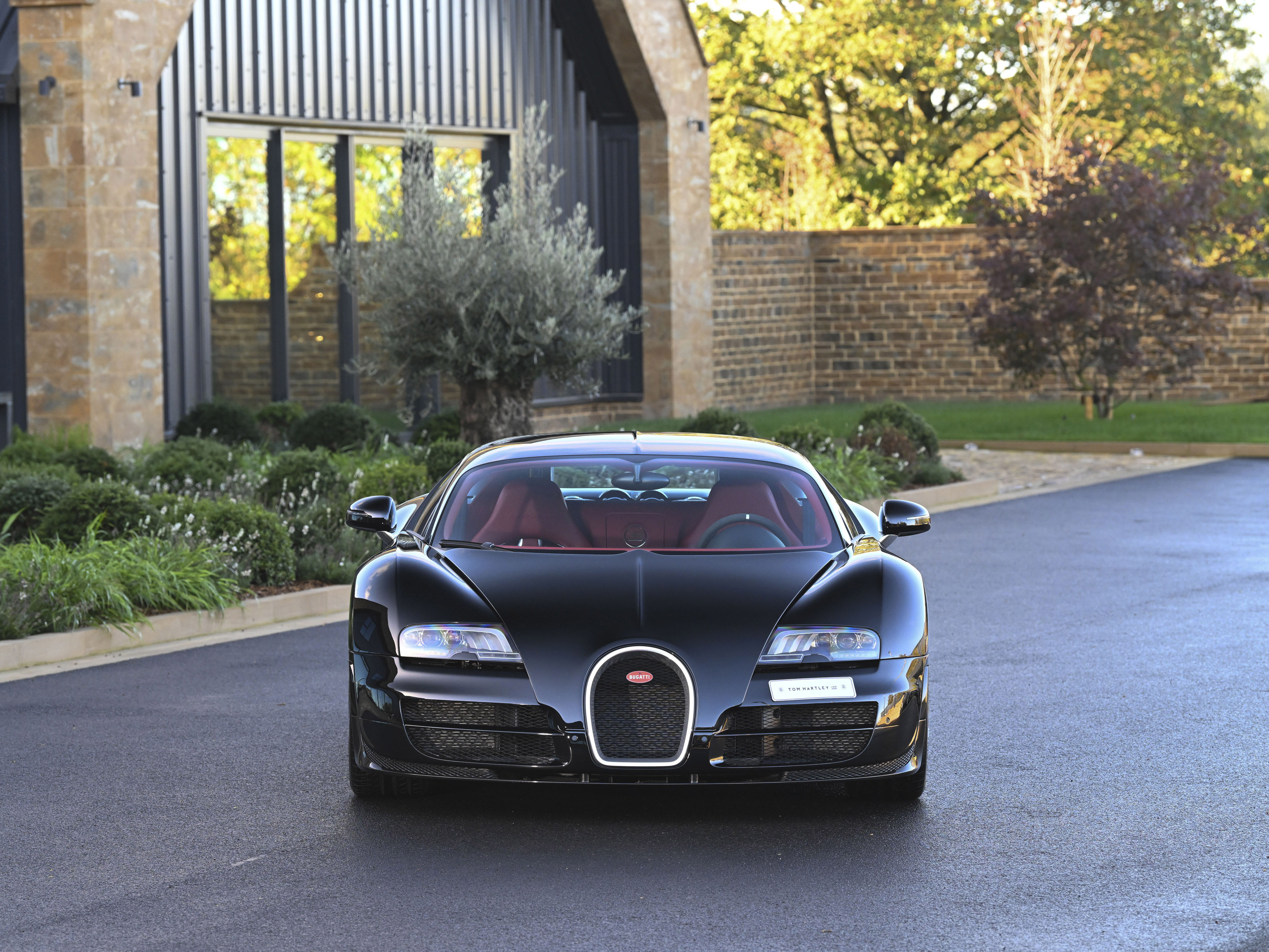
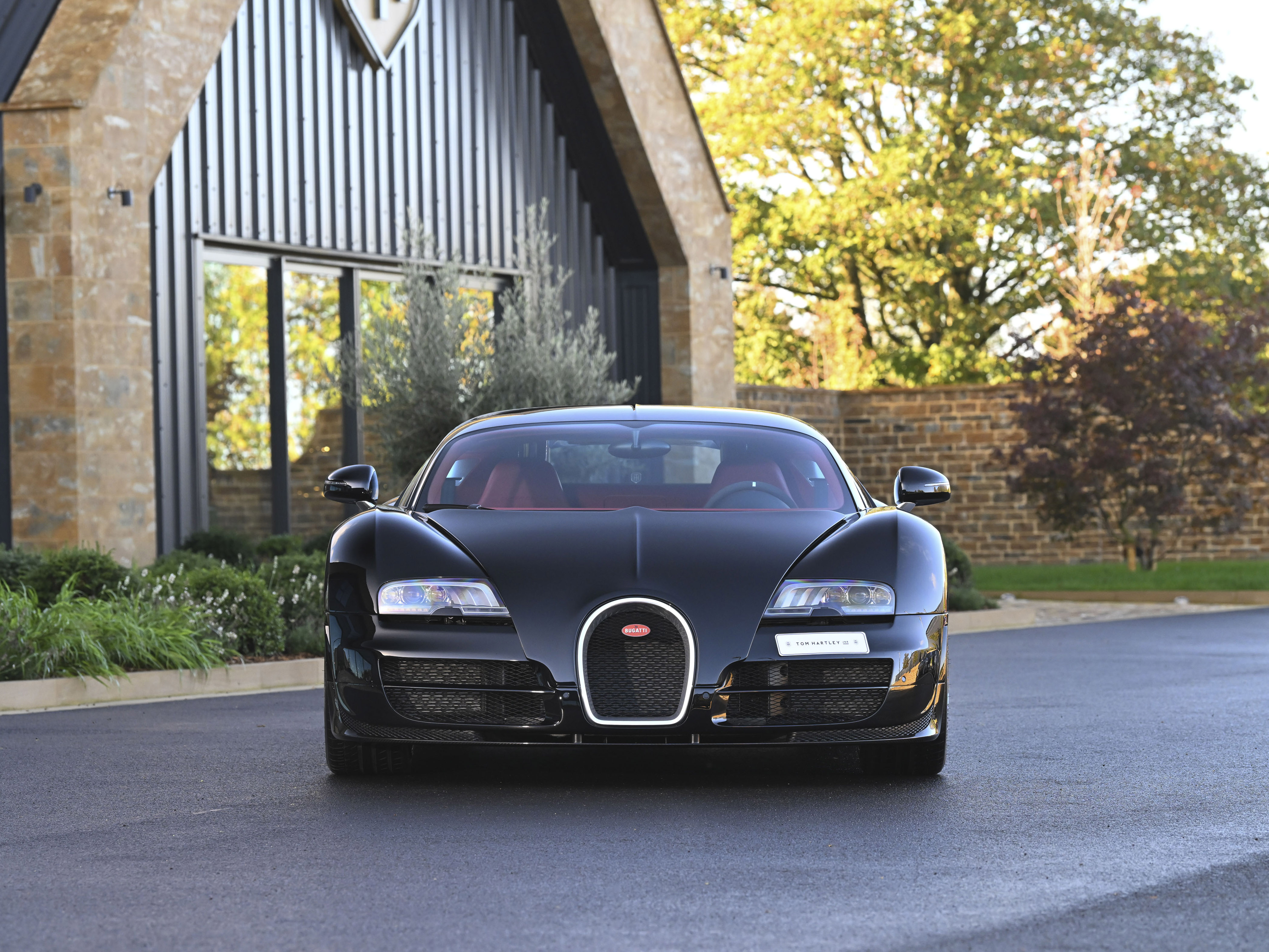
Bugatti entered the new millennium with a gravitas few manufacturers could match. As Ferrari, Porsche and Mercedes-Benz presented the Enzo, Carrera GT and SLR McLaren, the marque remained true to the pursuit of the incomparable. Its brief went beyond the established supercar: more than 1,000 PS, a top speed above 400 km/h (249 mph) and the refinement to arrive at the opera. The Veyron of 2005 fulfilled that brief, reaching 407 km/h (253 mph). The Super Sport of 2010 went further than any production car before it.
It made its name before it had even been shown to the public. In the summer of 2010, Bugatti’s official driver Pierre-Henri Raphanel drove the Super Sport in both directions along the high-speed straight at Volkswagen’s Ehra-Lessien proving ground, averaging 431.072 km/h (267.856 mph). Confirmed by Guinness World Records, the run made it the fastest production car in the world, a title it would hold for more than seven years. Customer cars were electronically limited to 415 km/h (258 mph) to protect the tyres but otherwise matched the record car’s technical specification. The final and fastest evolution of the Veyron coupé, it was built in just 48 examples.
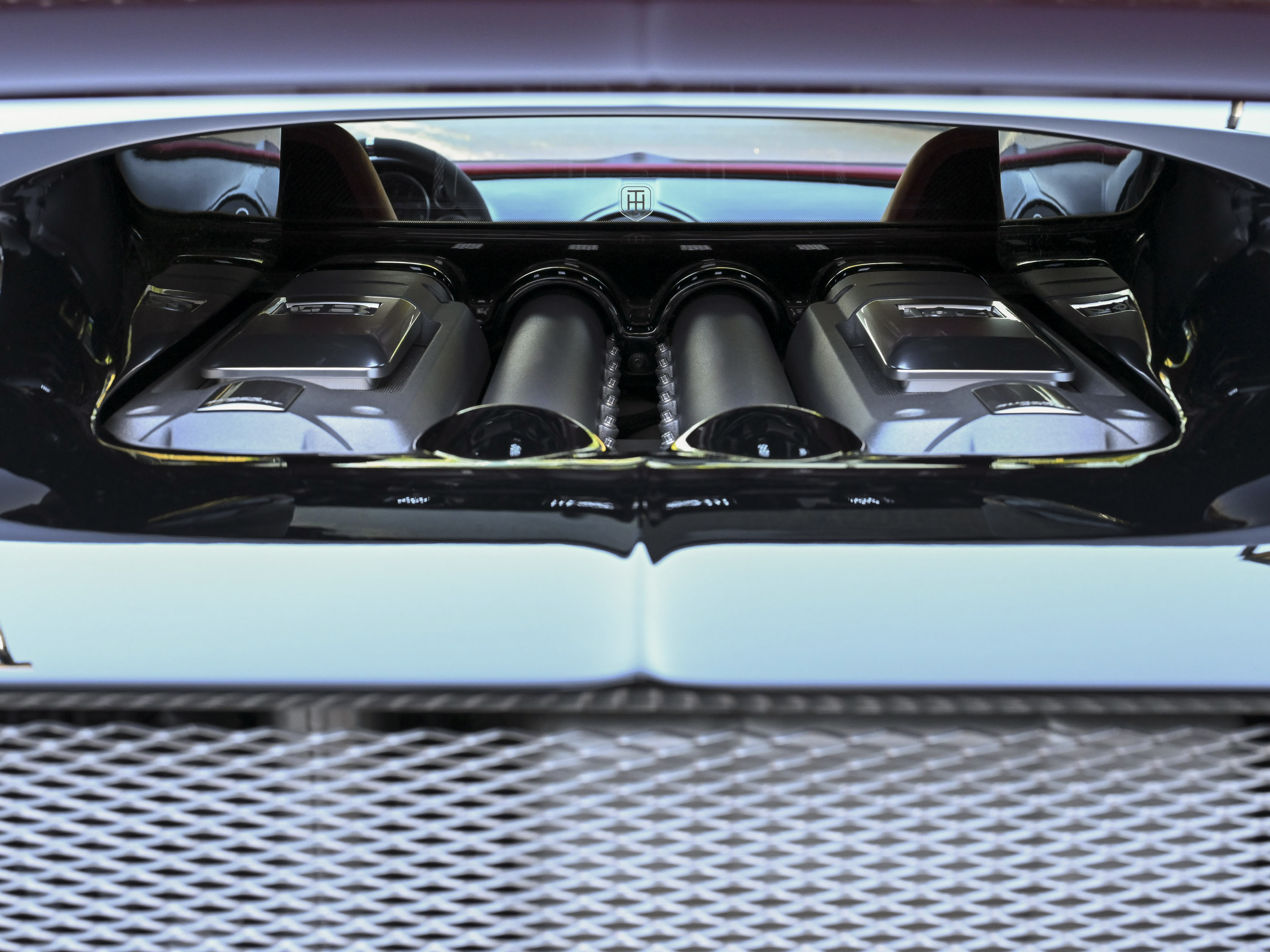
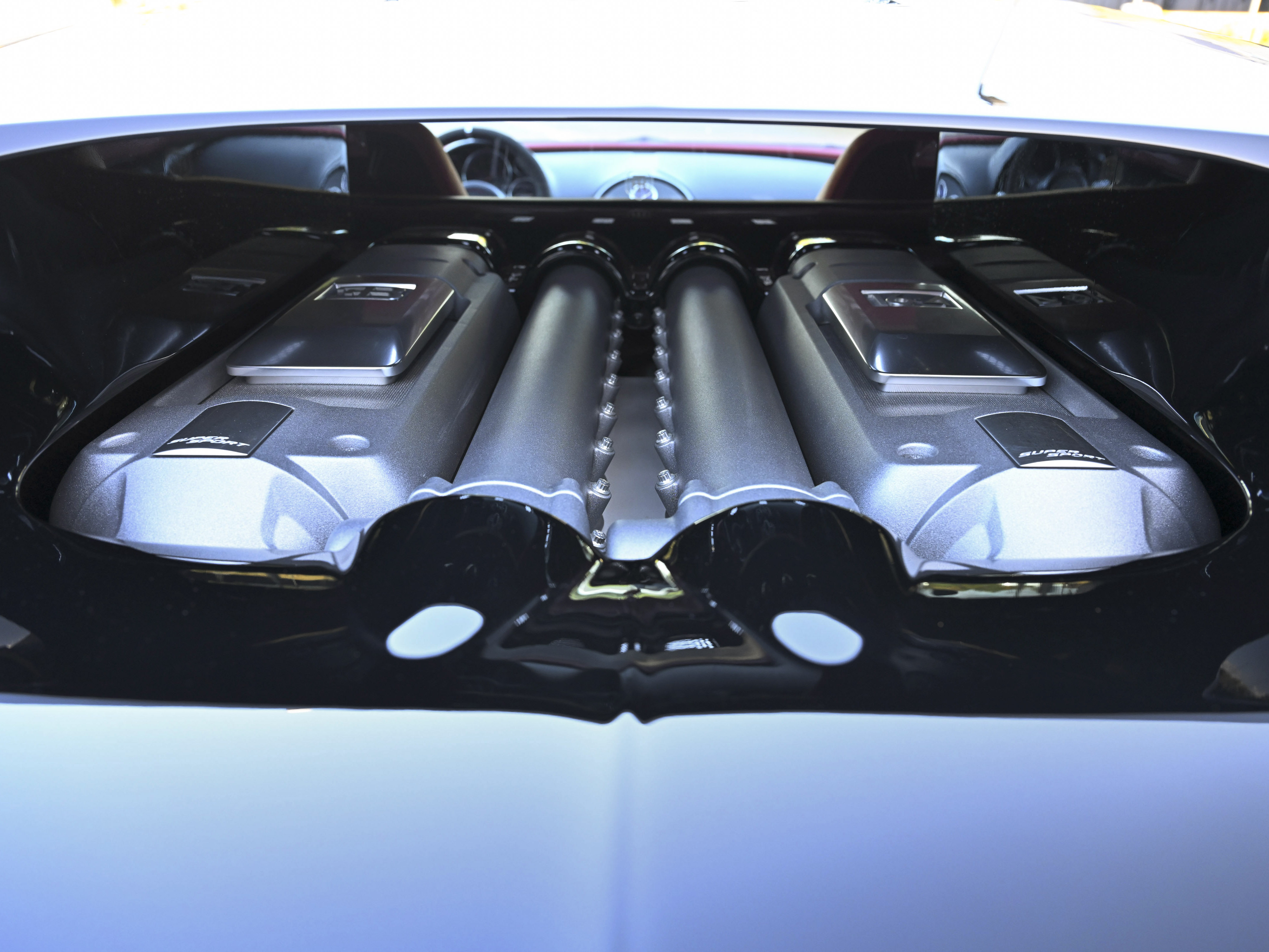
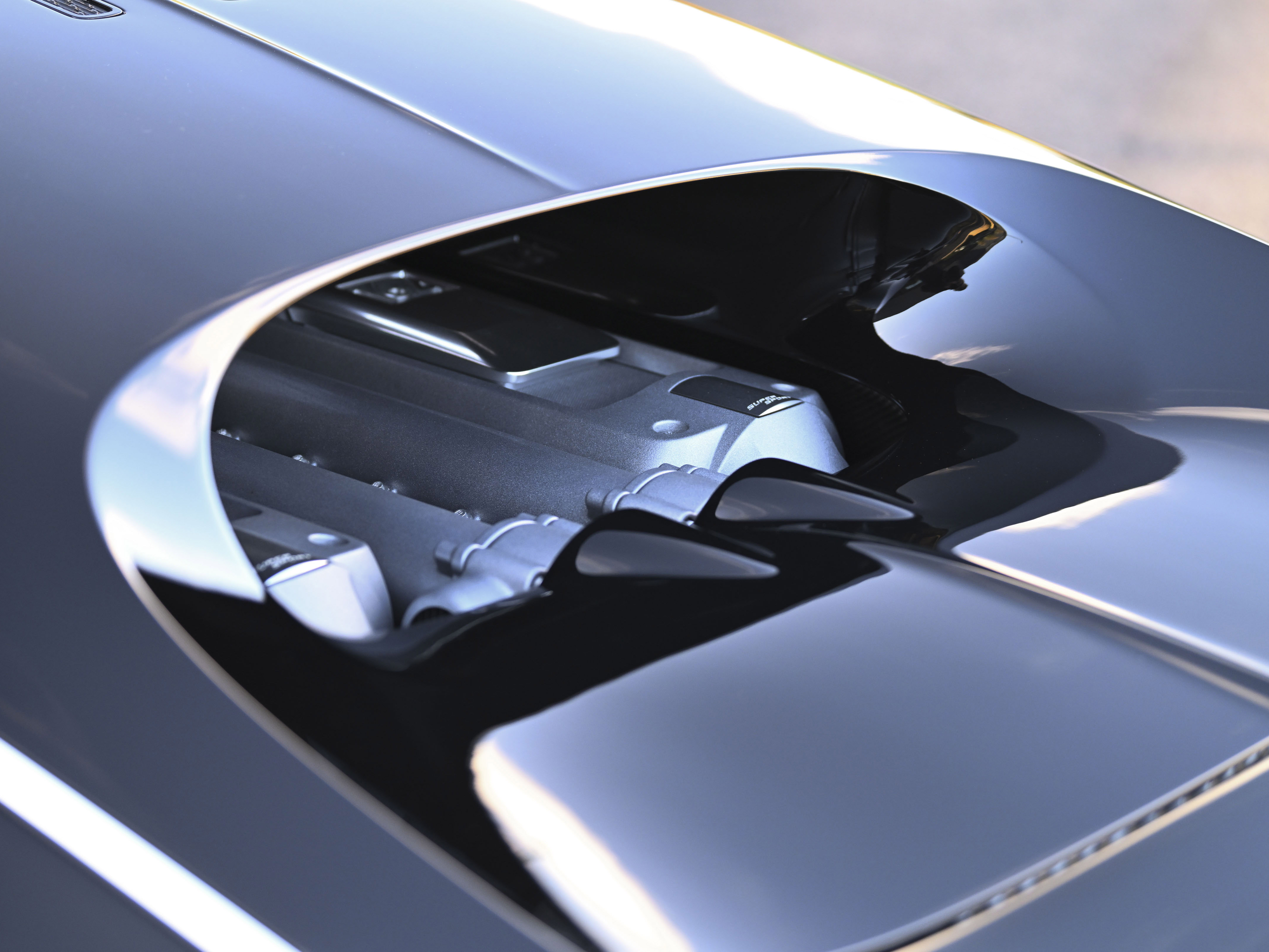
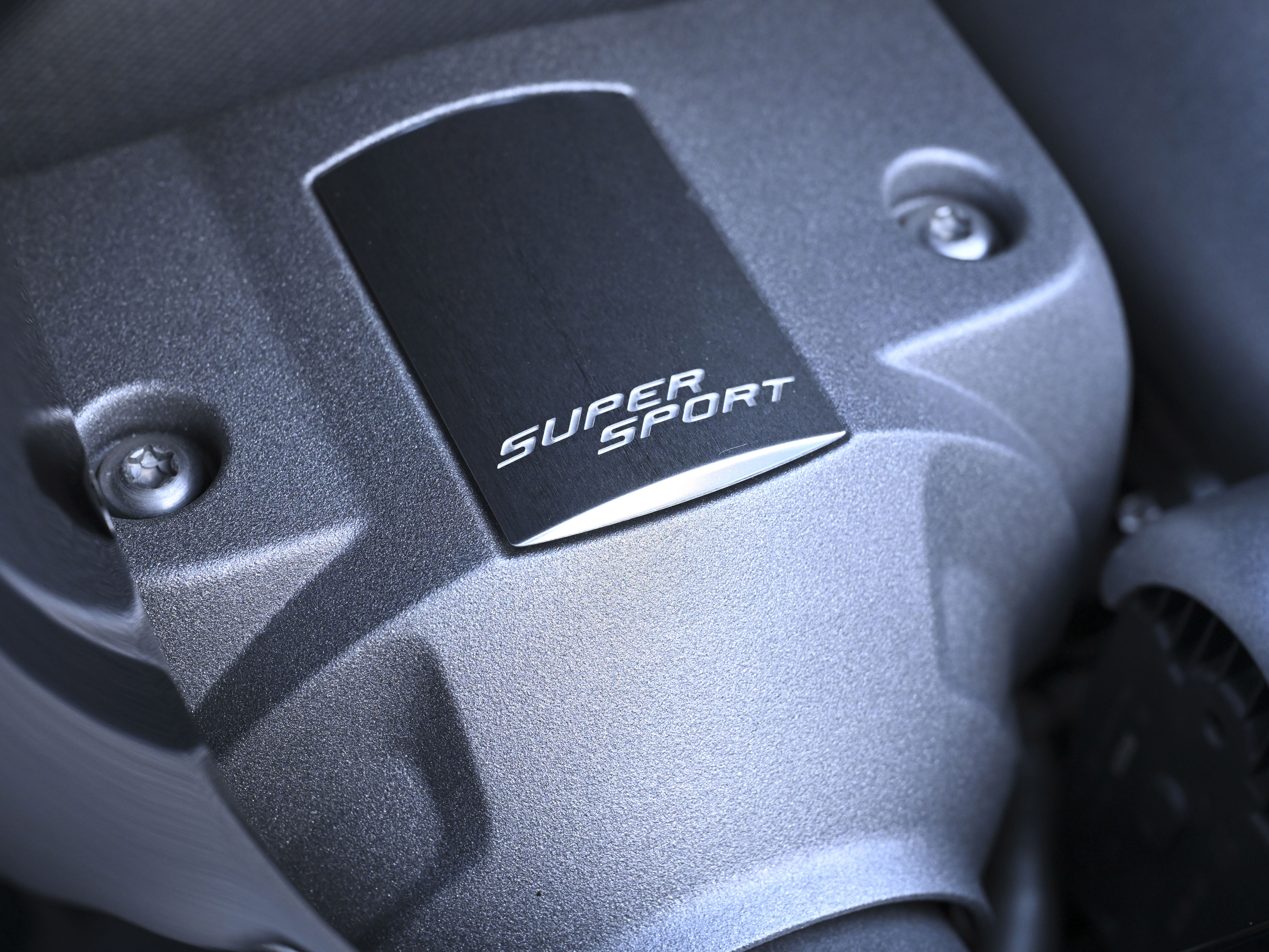
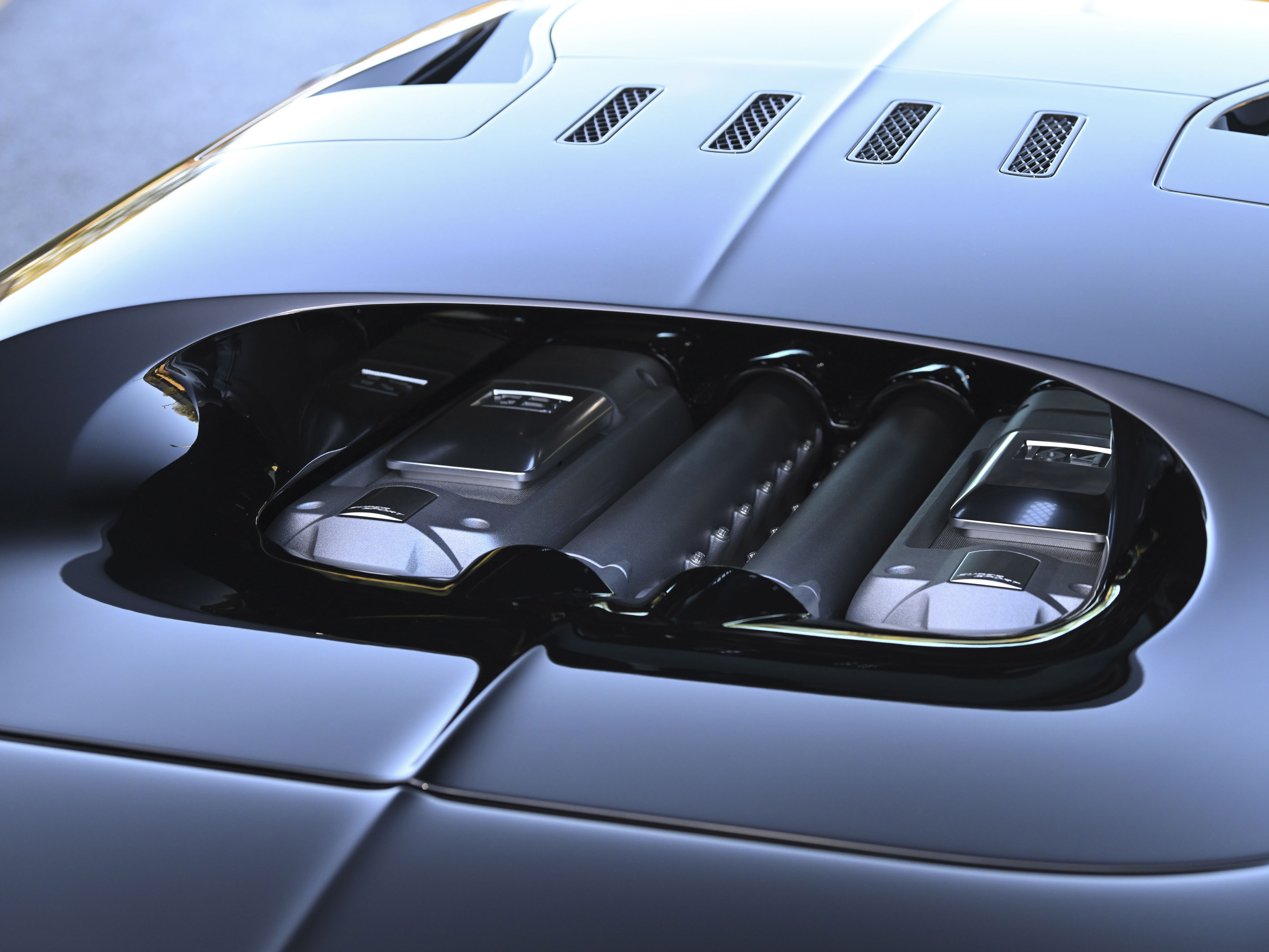
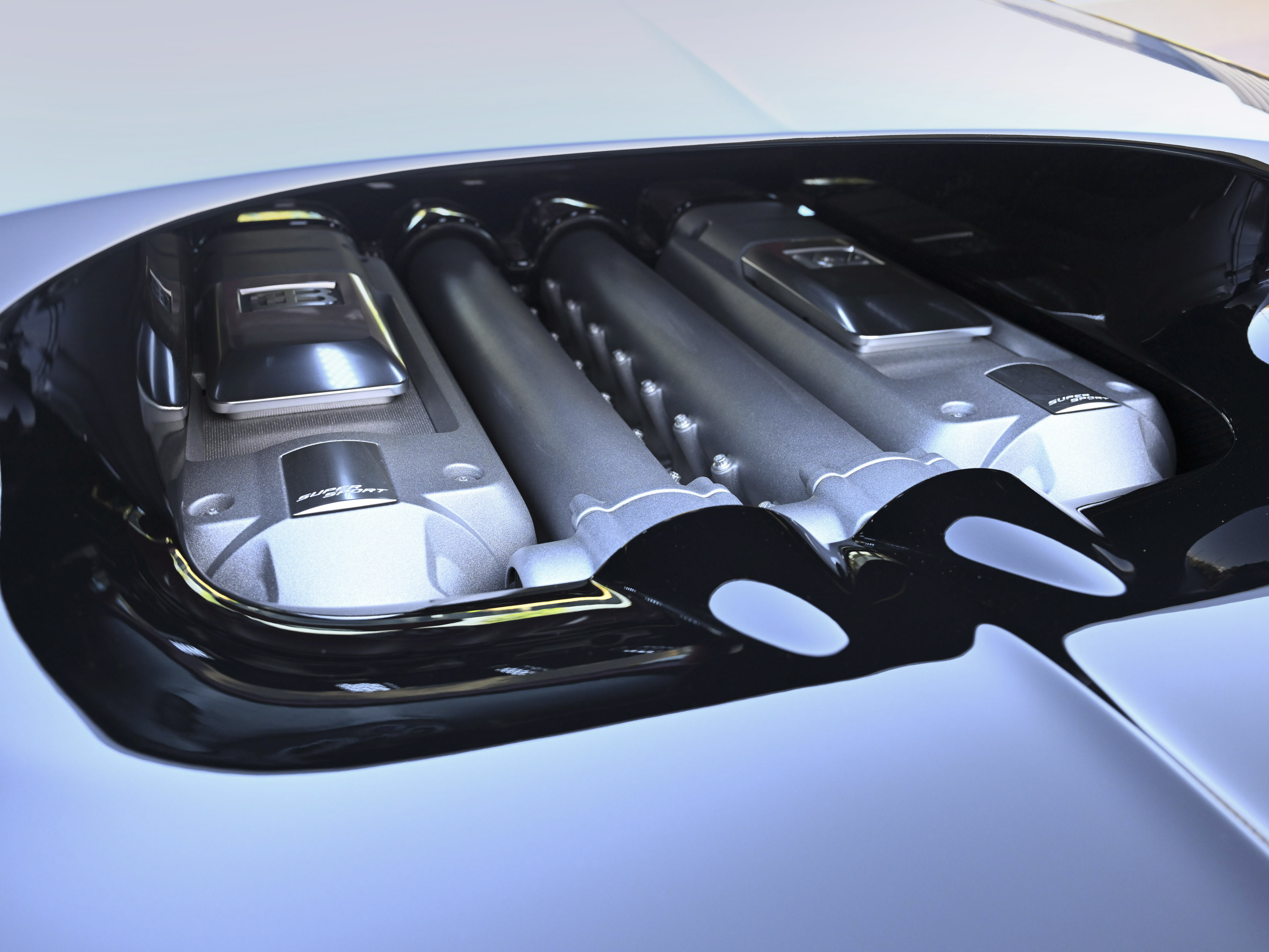
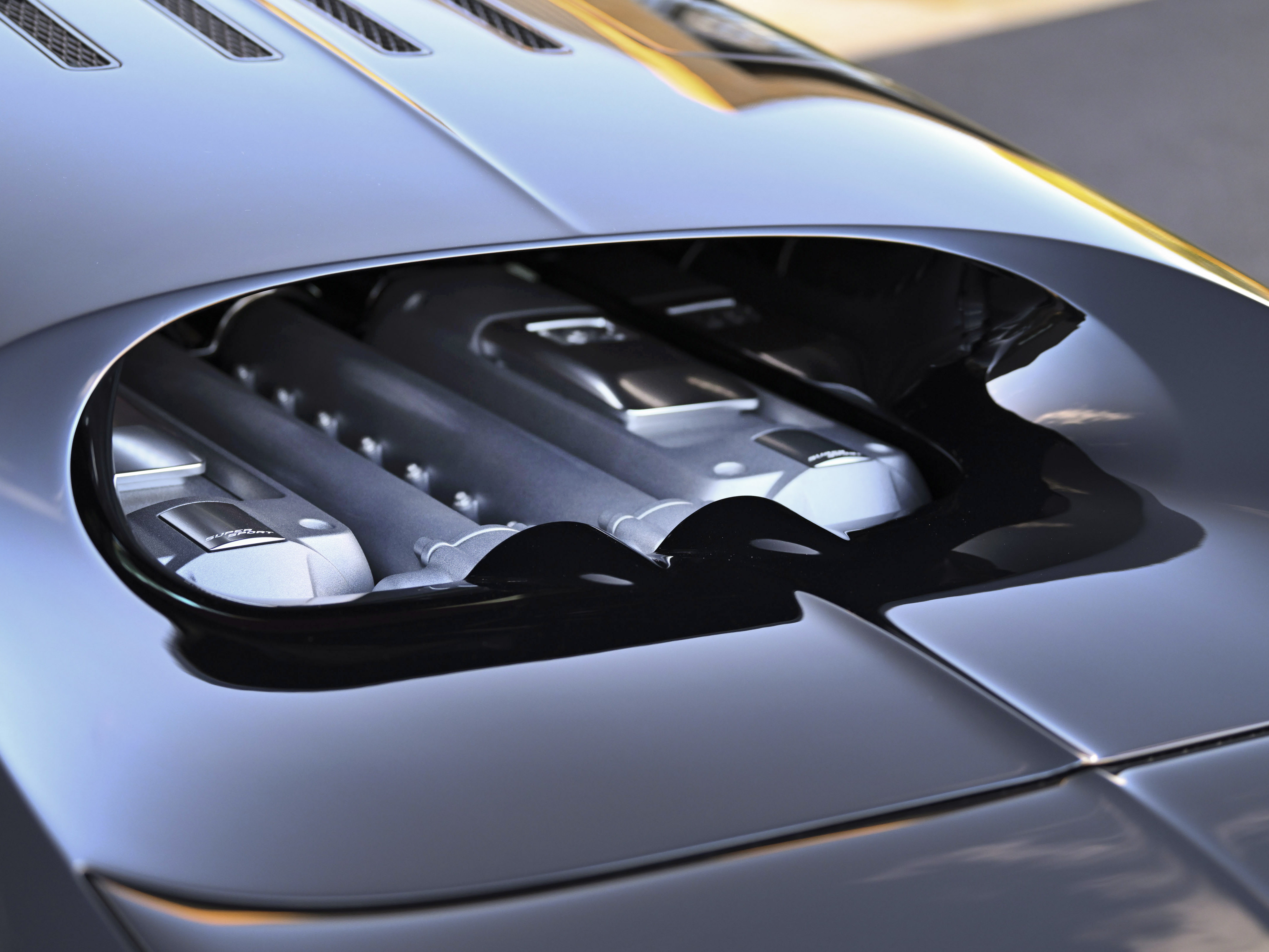
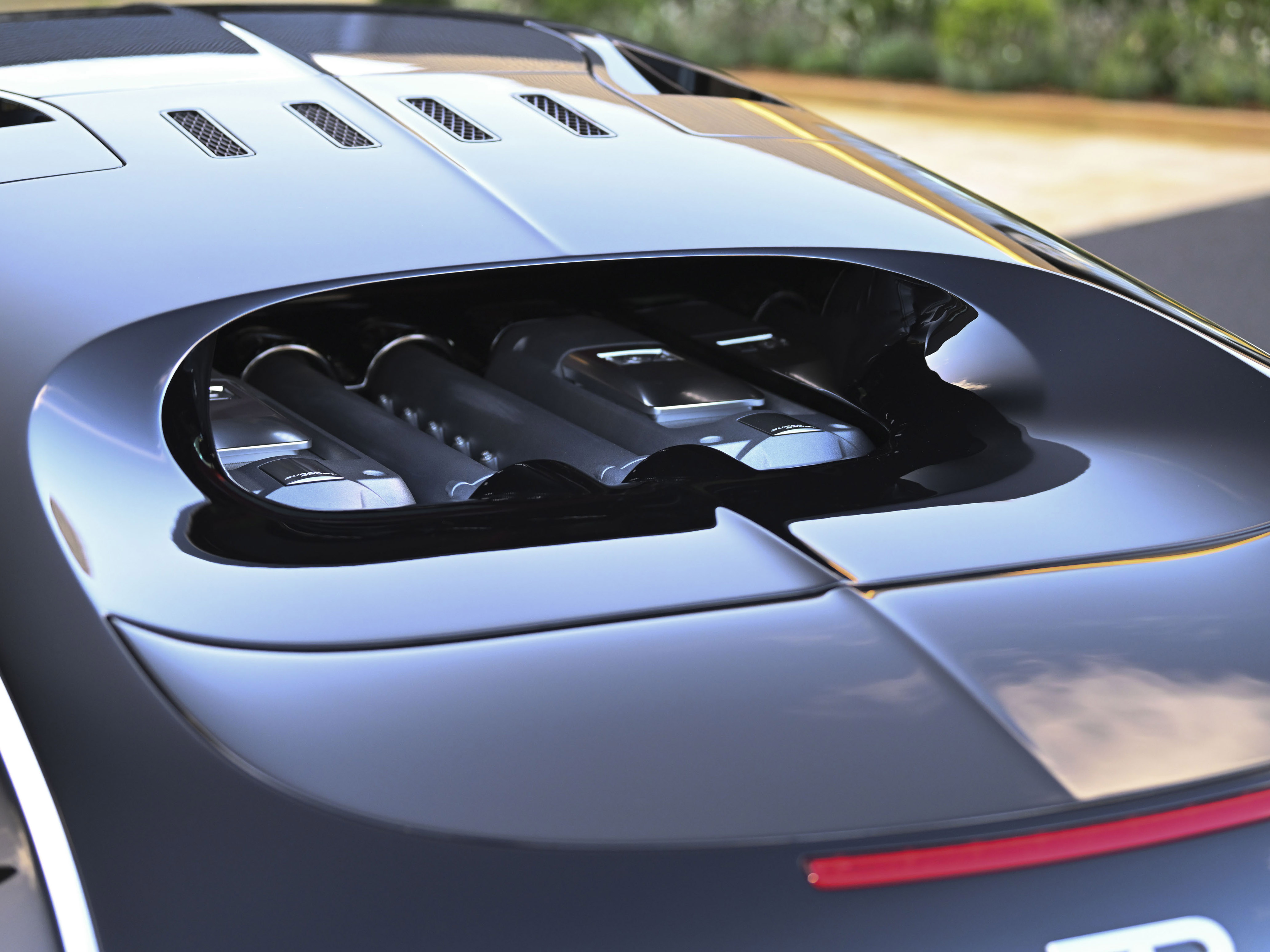
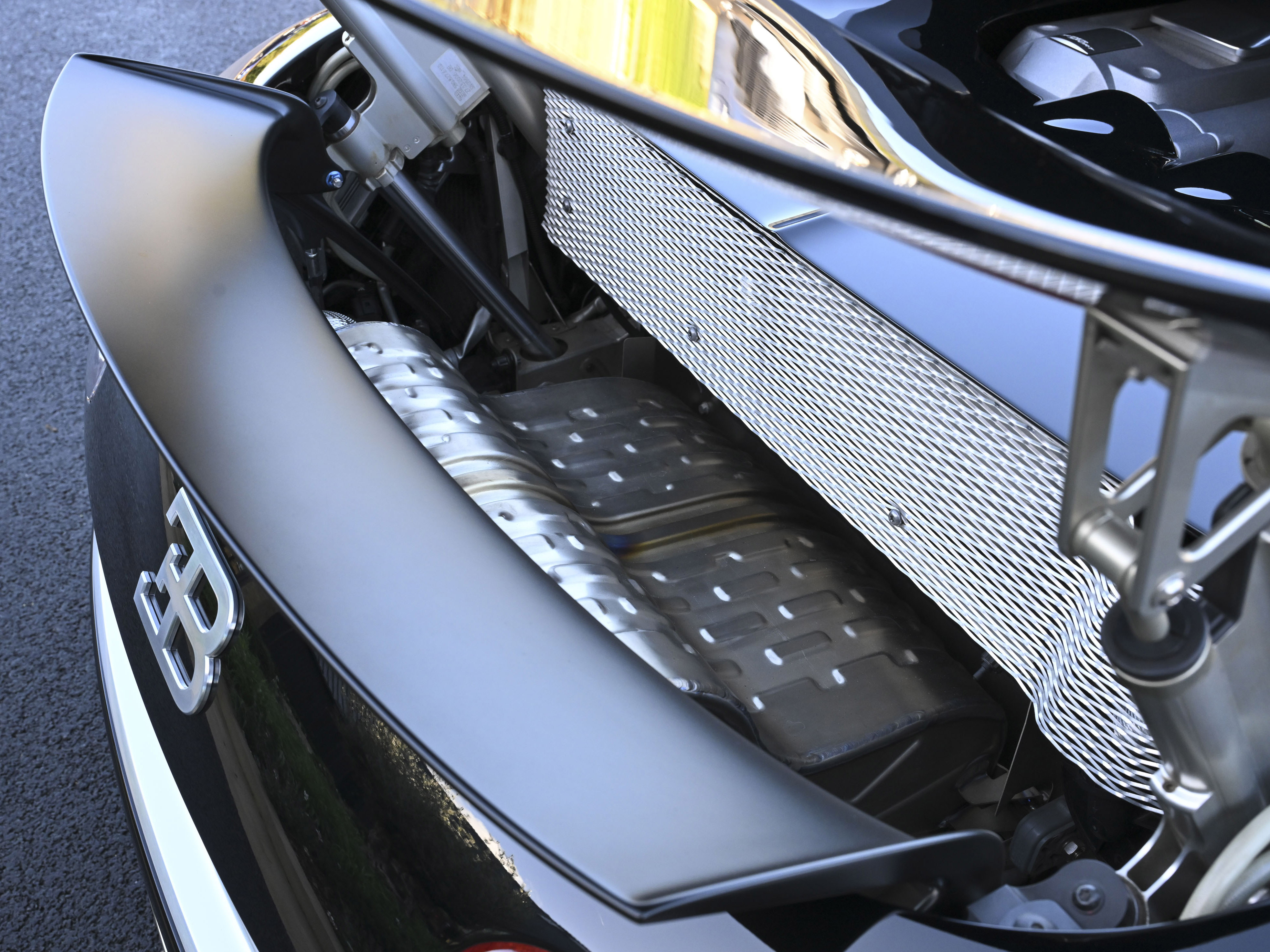
The Super Sport name had its own history. When a model proved especially successful, Ettore Bugatti’s customers would press him for more power, and the factory answered with faster derivatives such as the Type 55 Super Sport. The Veyron Super Sport followed the same path. Its 8.0-litre W16, mounted behind the occupants and cooled by ten radiators, had produced 1,001 PS in the original Veyron. Four enlarged turbochargers, larger intercoolers and a revised, free-flowing exhaust raised that to 1,200 PS, with 1,500 Nm of torque. A seven-speed dual-clutch gearbox sent the power to all four wheels, taking the car from rest to 100 km/h in 2.5 seconds.
The rest of the car was developed to match. A new carbon-fibre structure made the monocoque stiffer yet lighter, and the outer body was now made entirely of carbon fibre. Firmer springs, stronger anti-roll bars and racing-derived dampers gave more precise control.
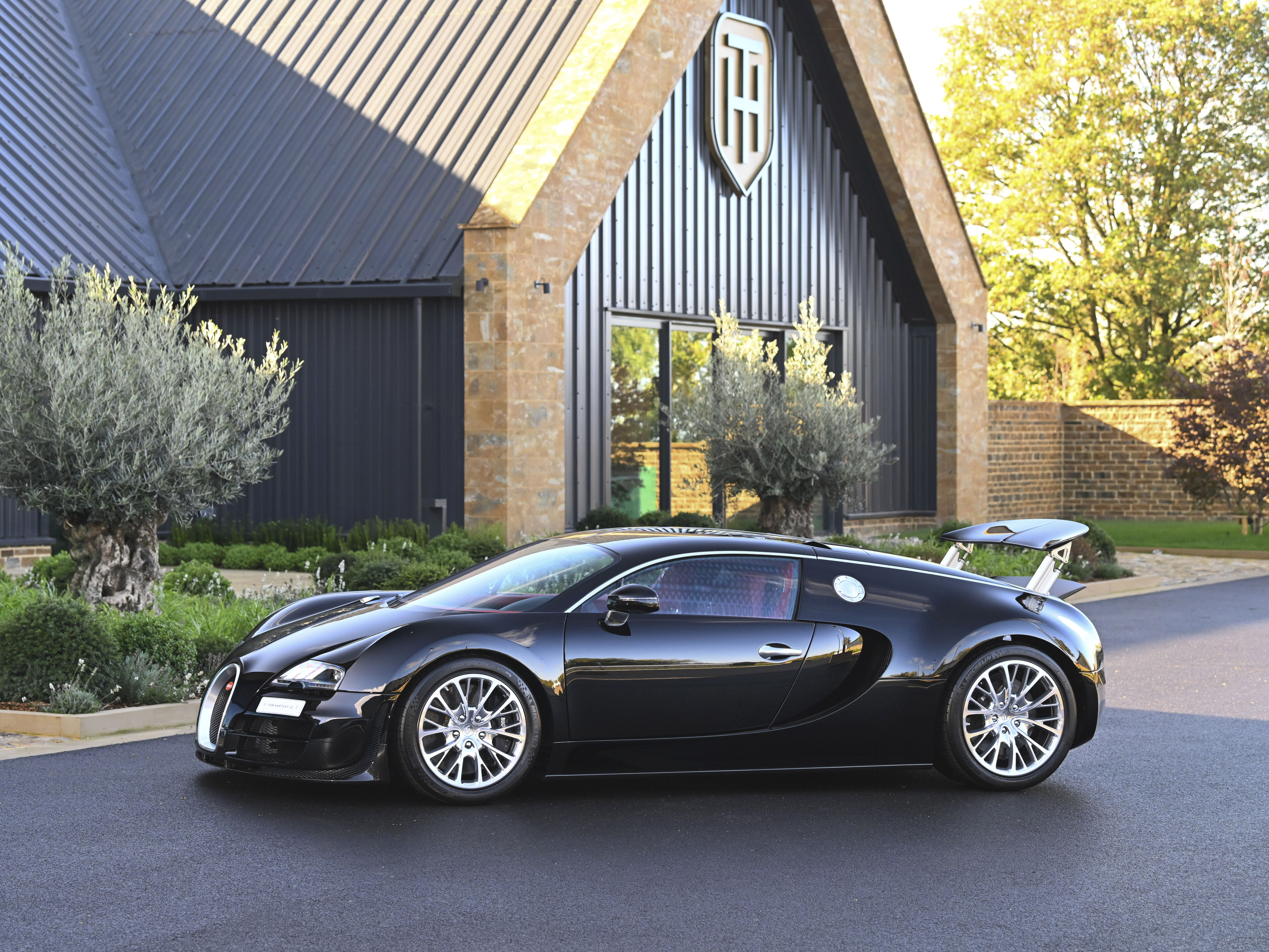
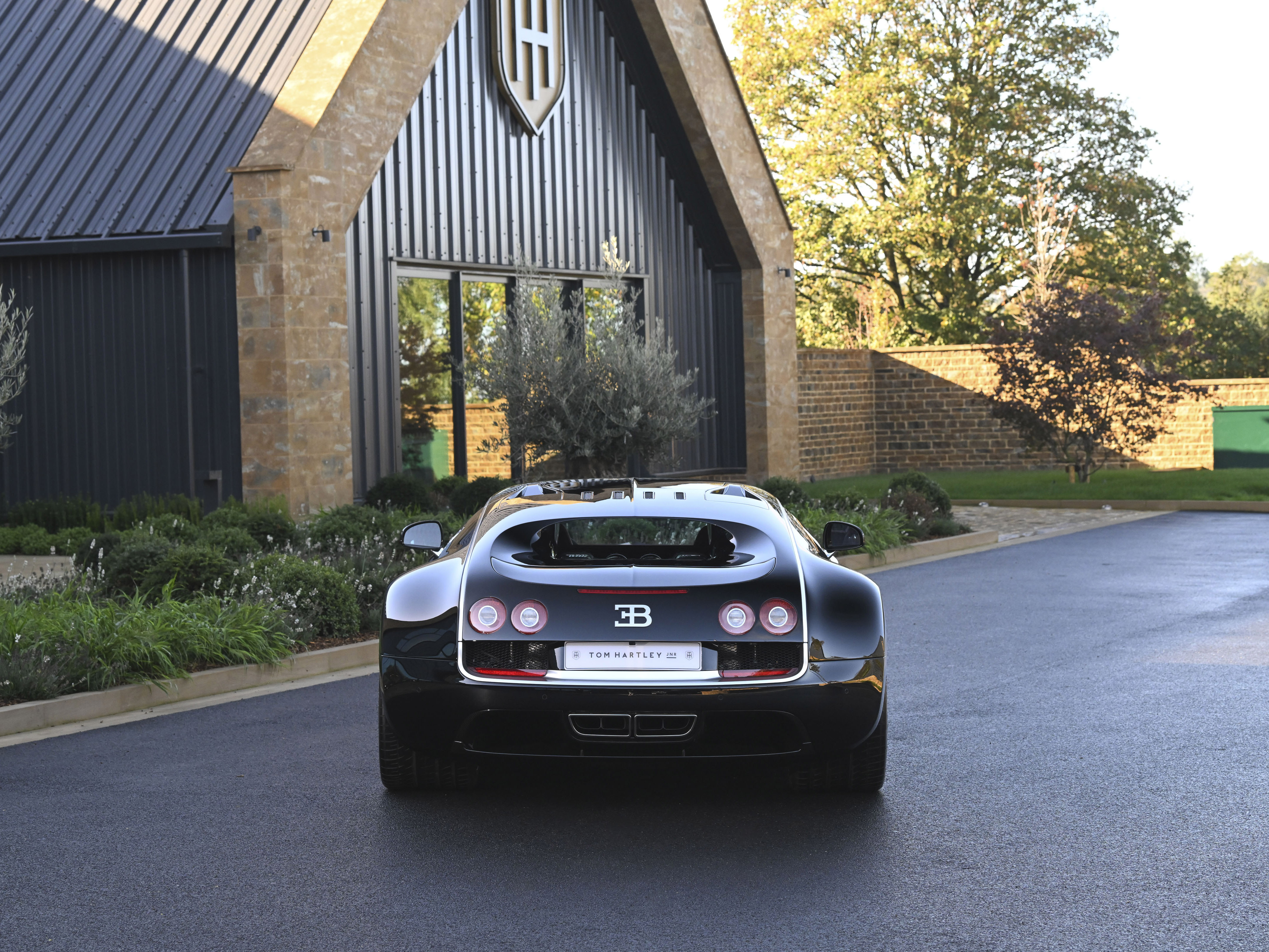
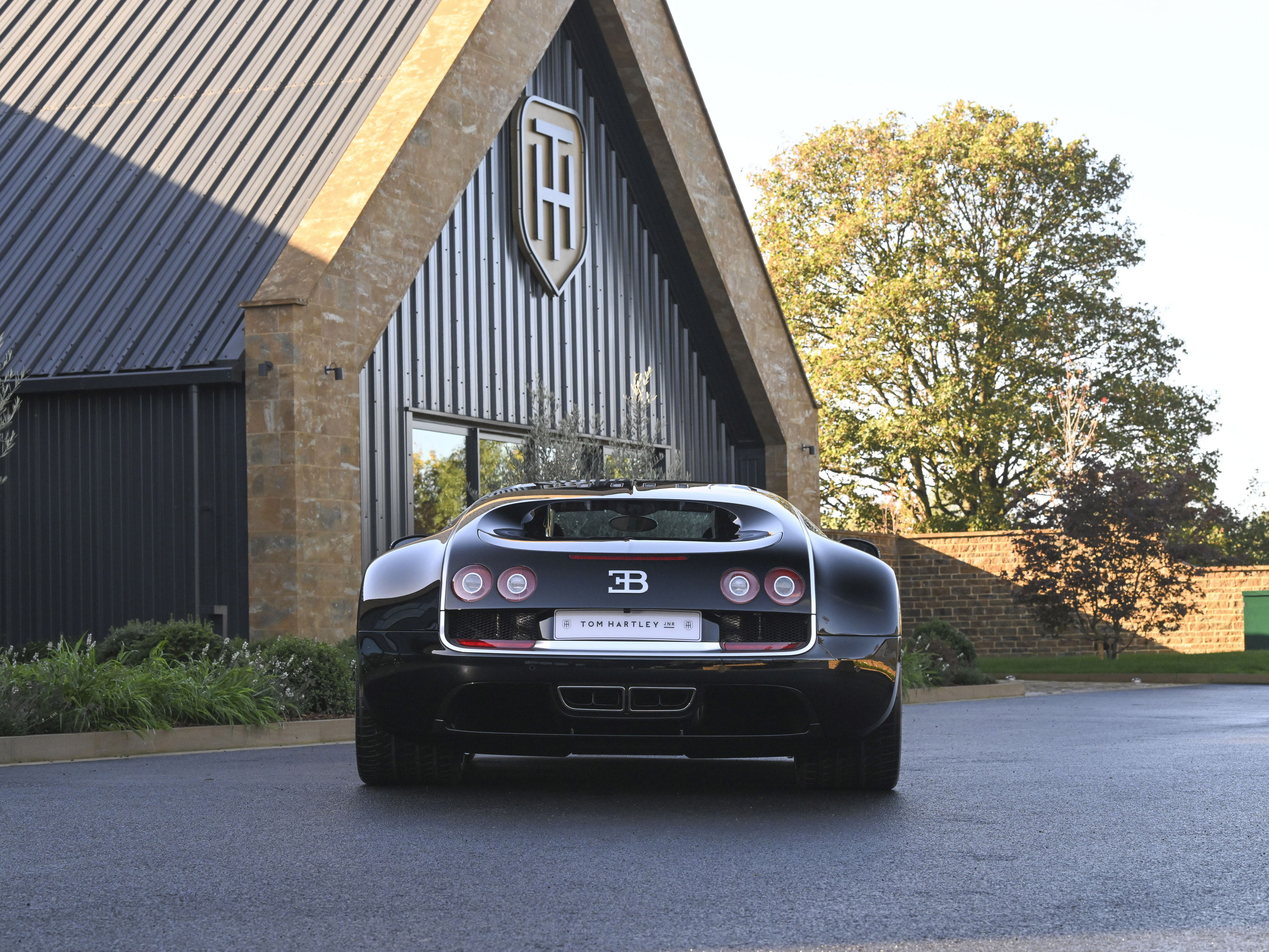
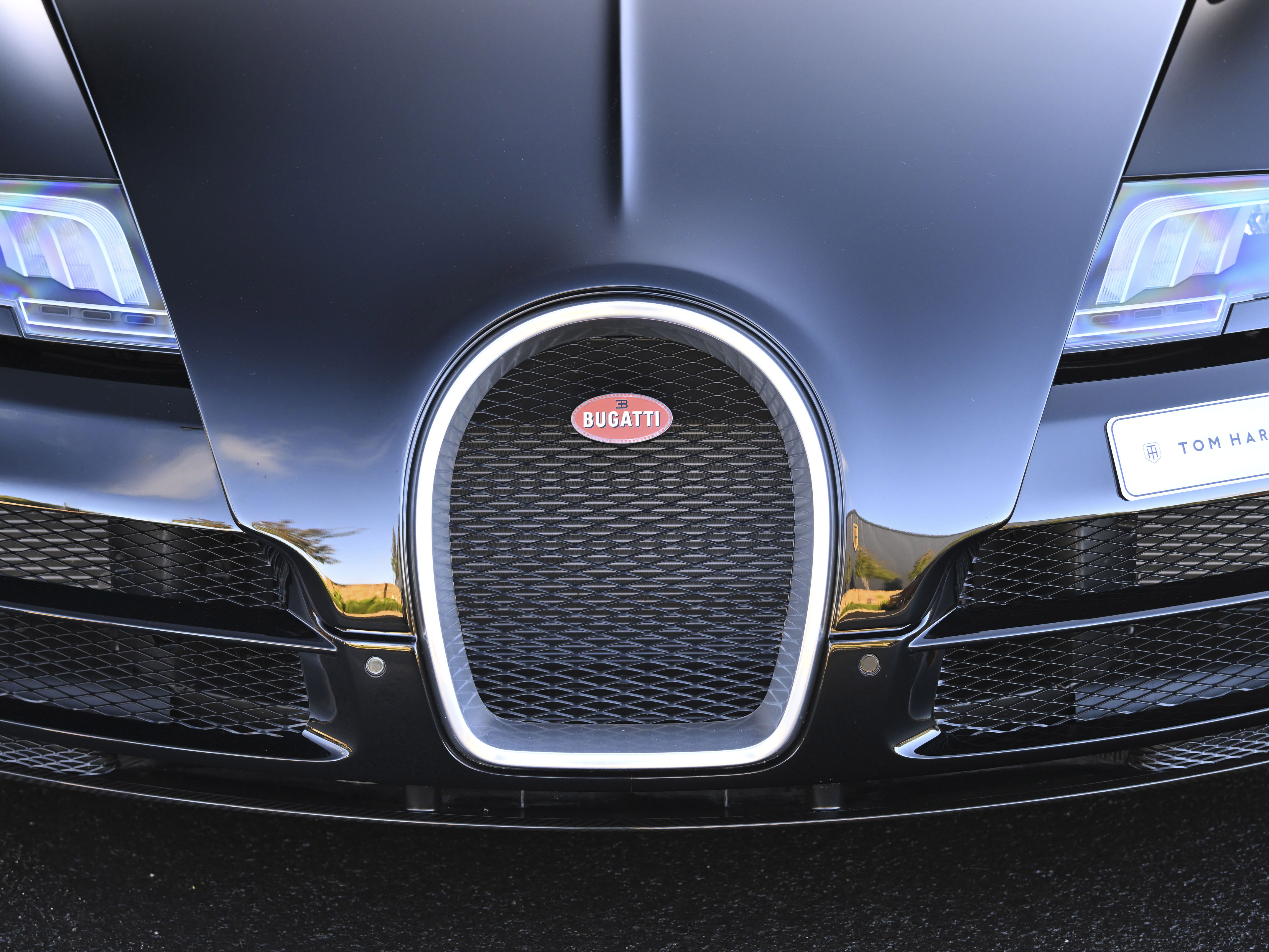
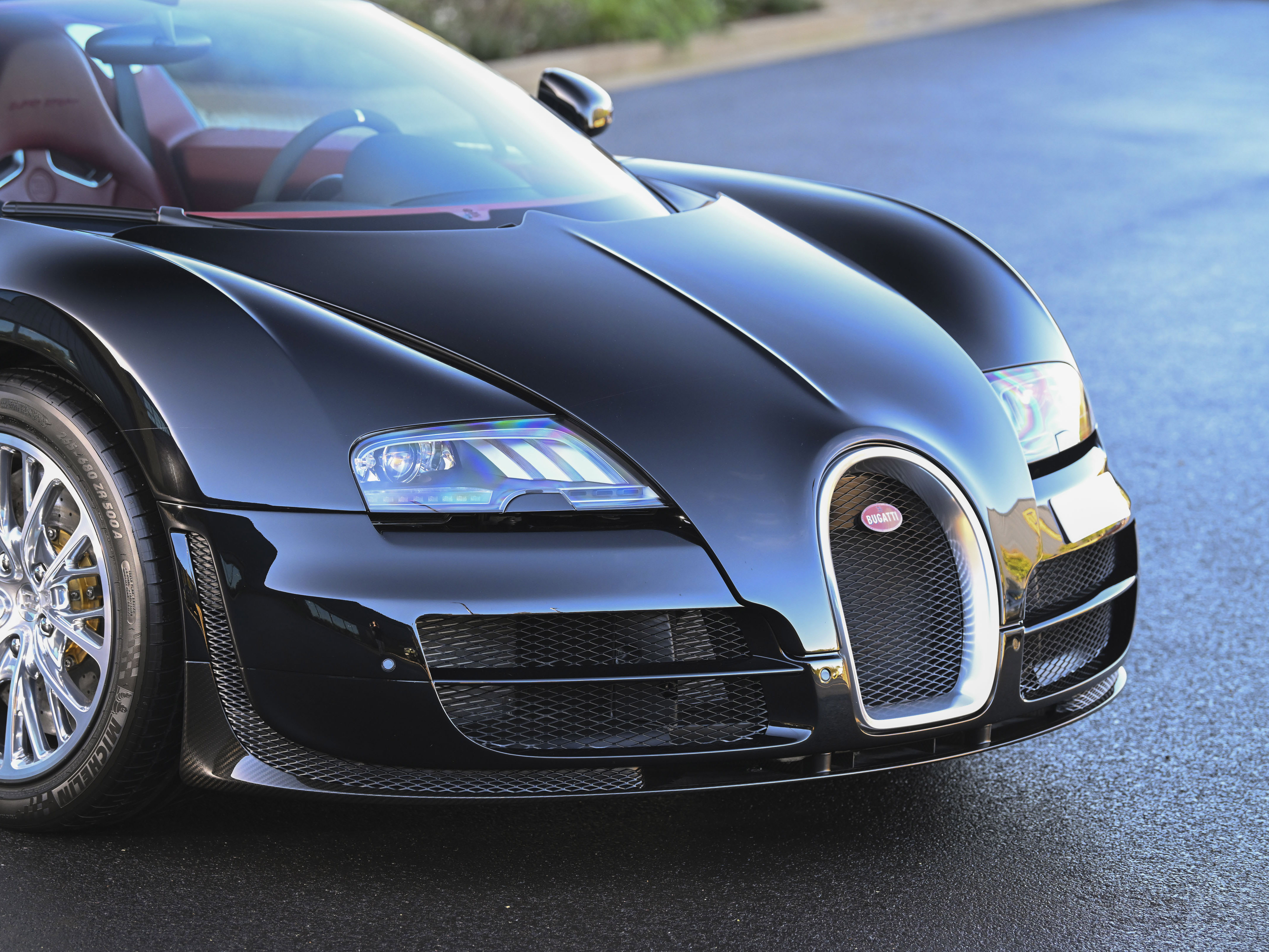
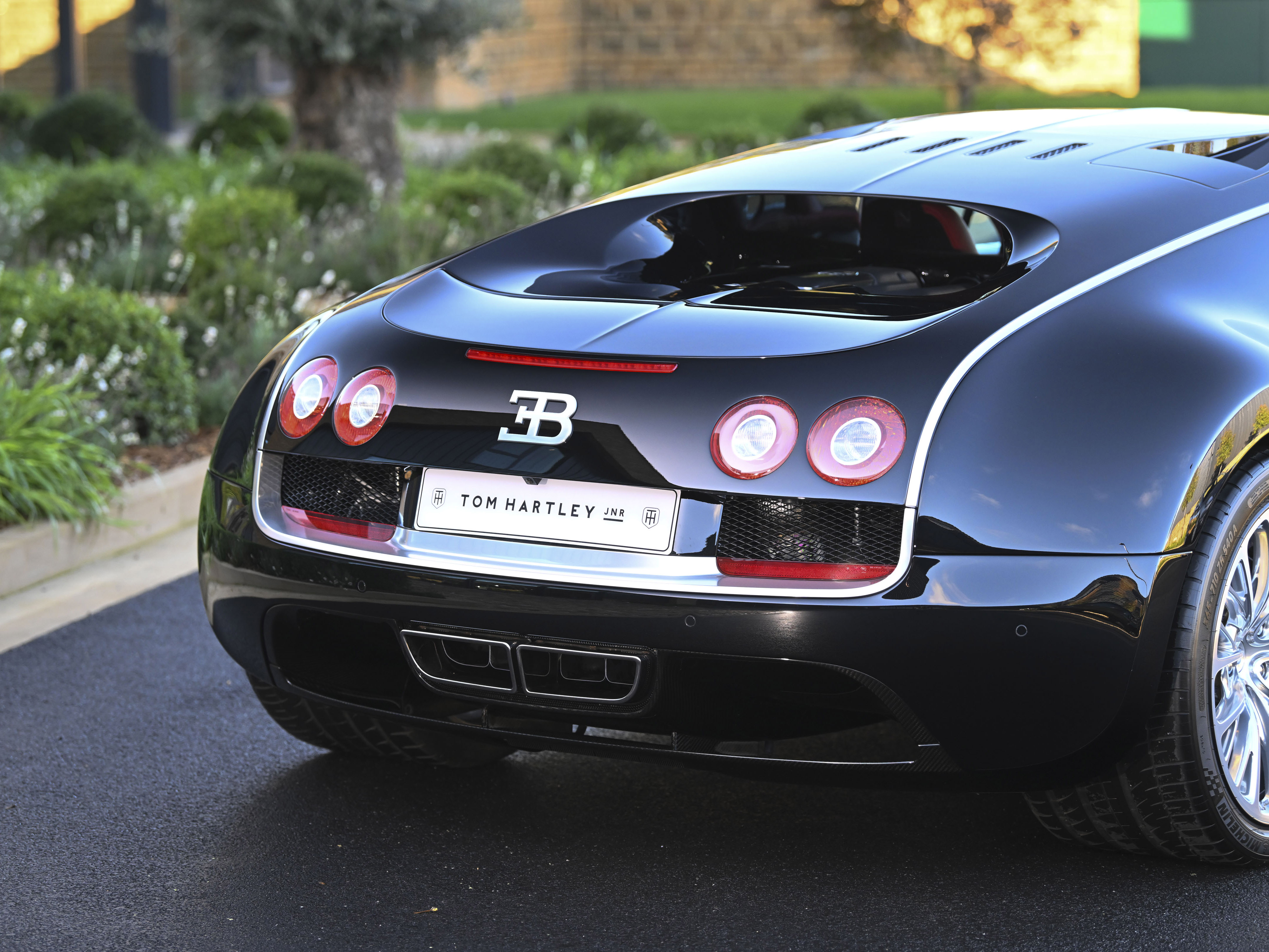
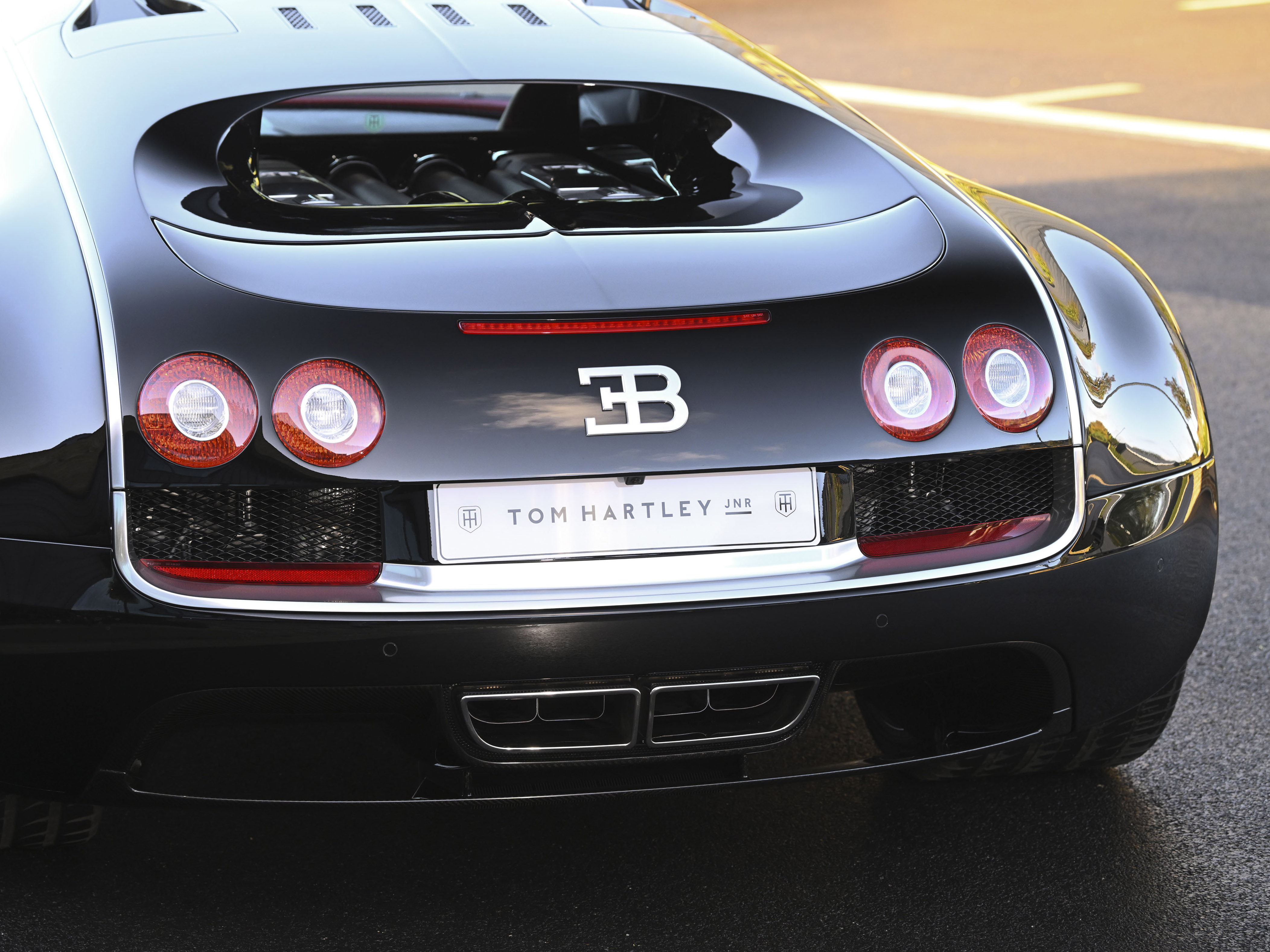
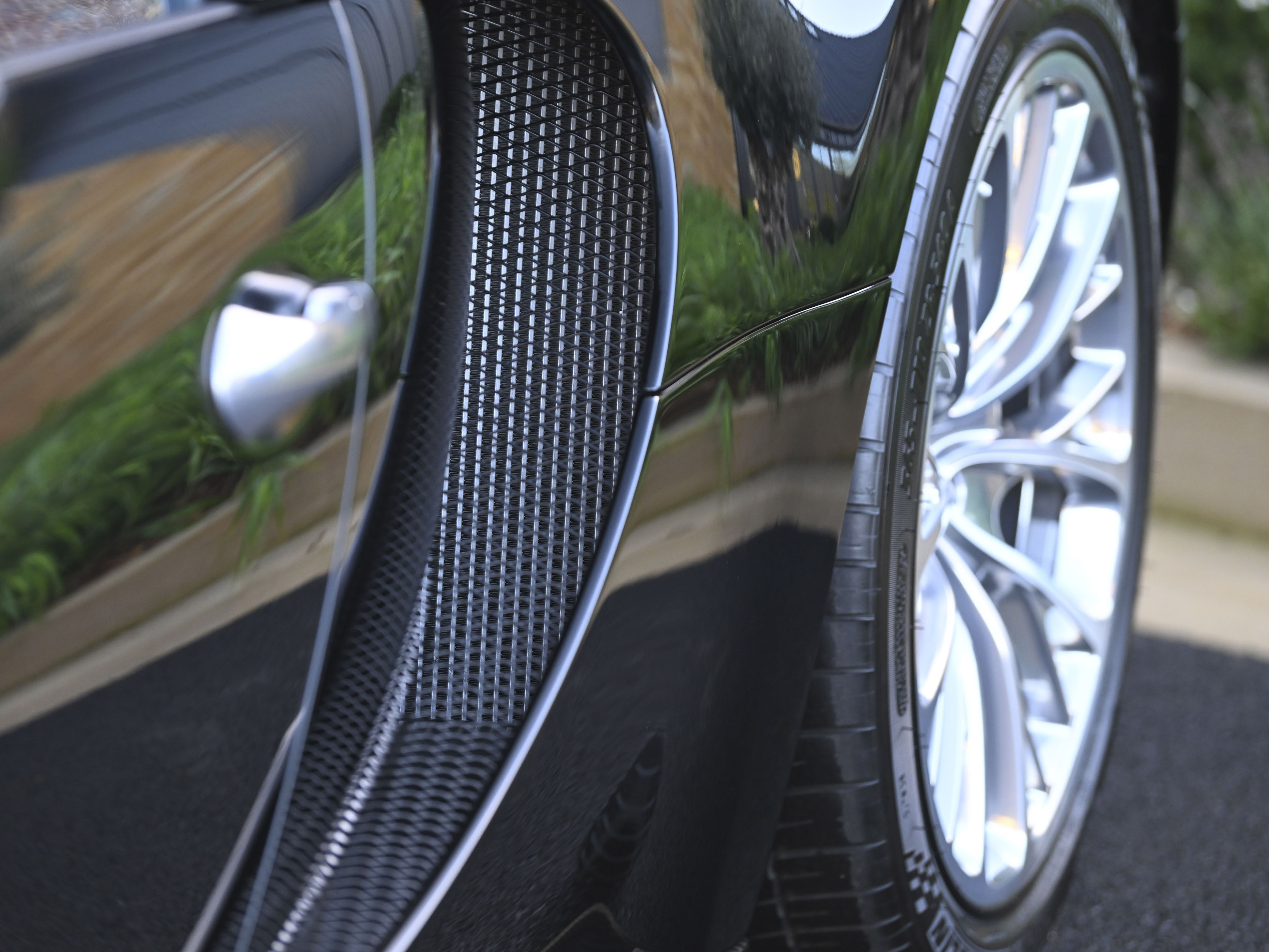
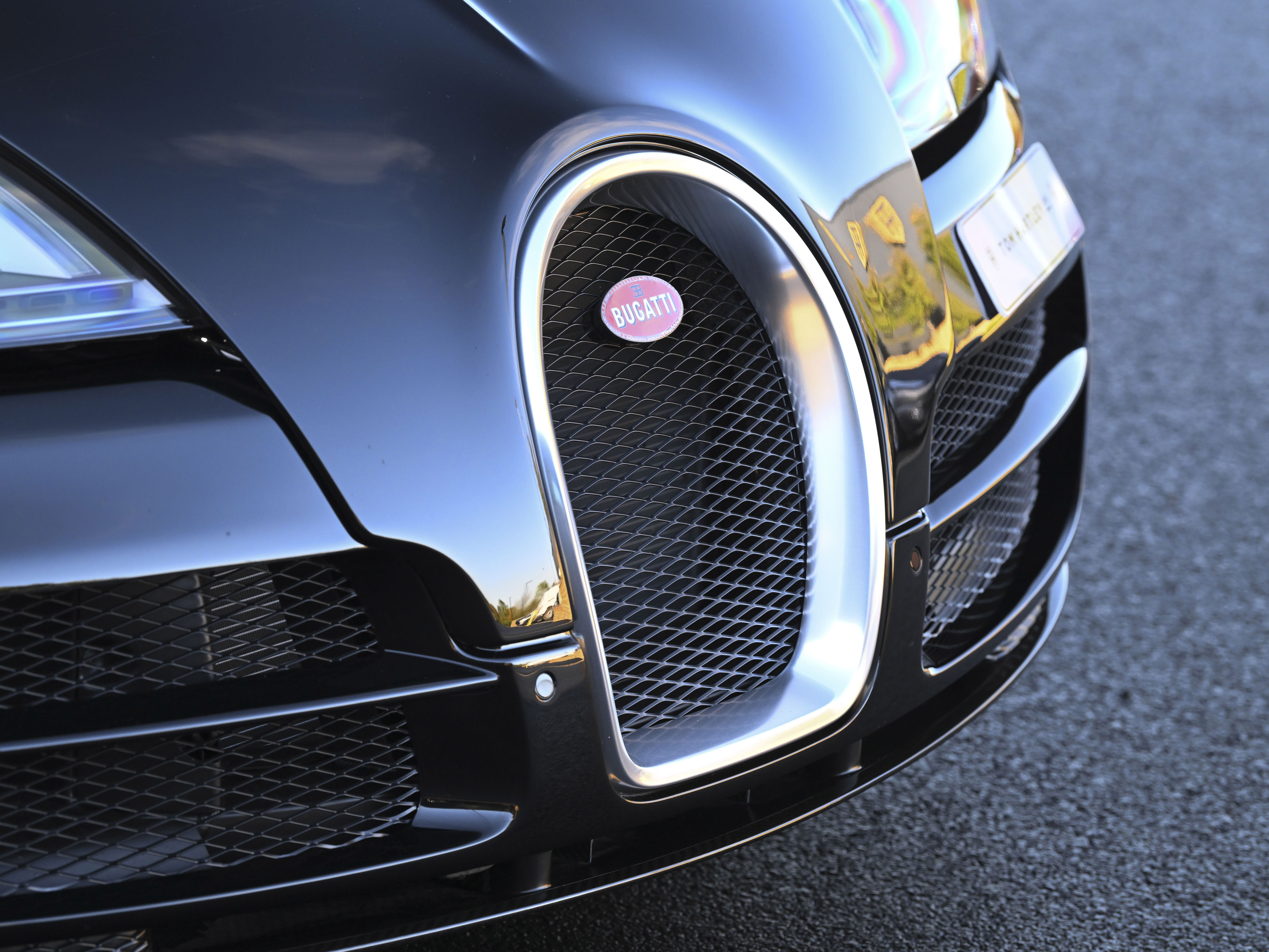
The changes were visible in its flatter, more elongated silhouette. Two flush NACA ducts—low-drag air intakes developed by the National Advisory Committee for Aeronautics, NASA’s predecessor—replaced the original raised roof intakes, feeding air to the W16 without disrupting the clean line of the roof. At the front, the intakes grew larger, the lower one sweeping round the sides to the wheel arches. At the rear, twin central tailpipes and a double diffuser completed a shape as carefully considered for speed as the Le Mans-winning “Tanks” had been seven decades earlier.
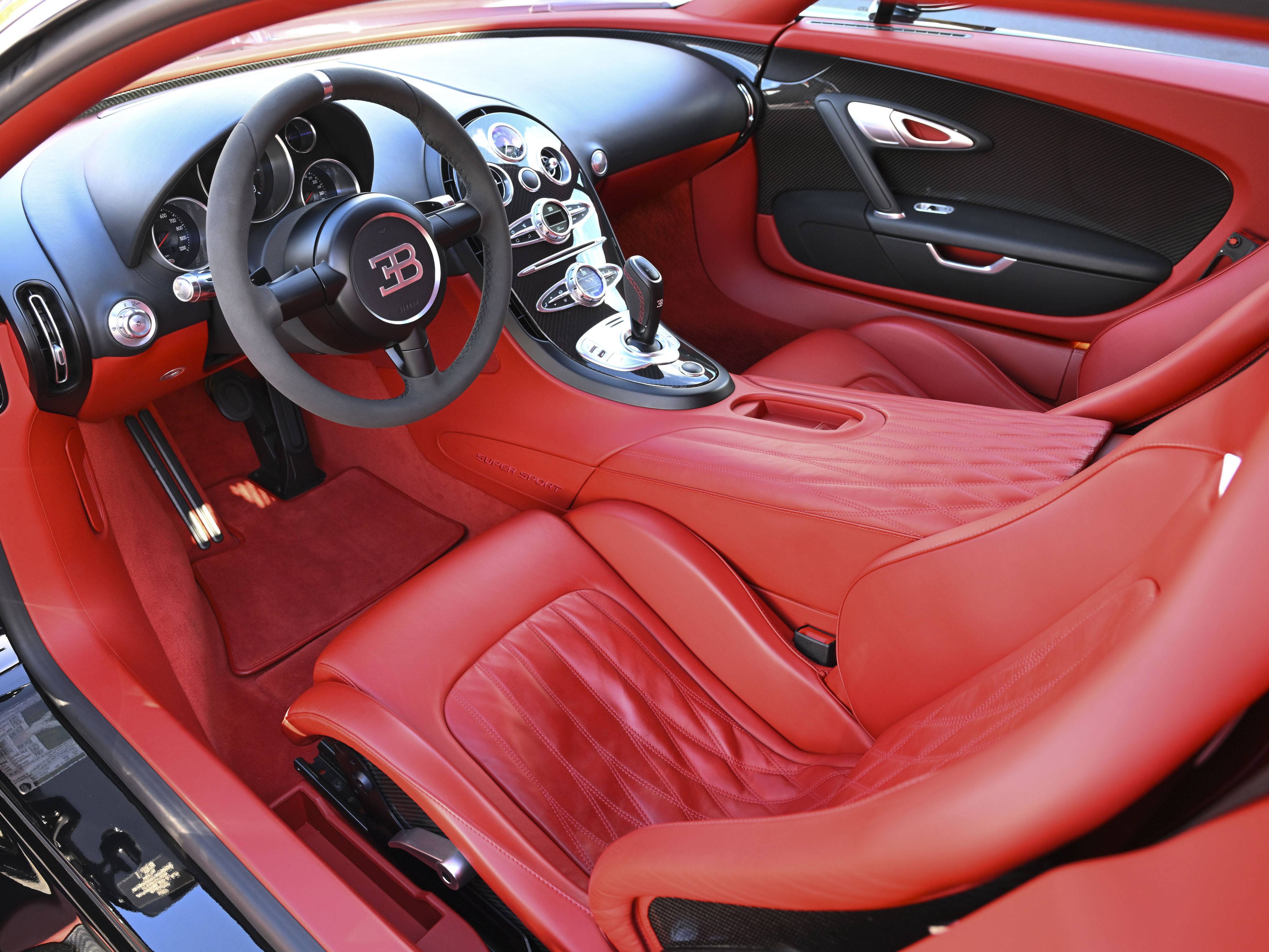
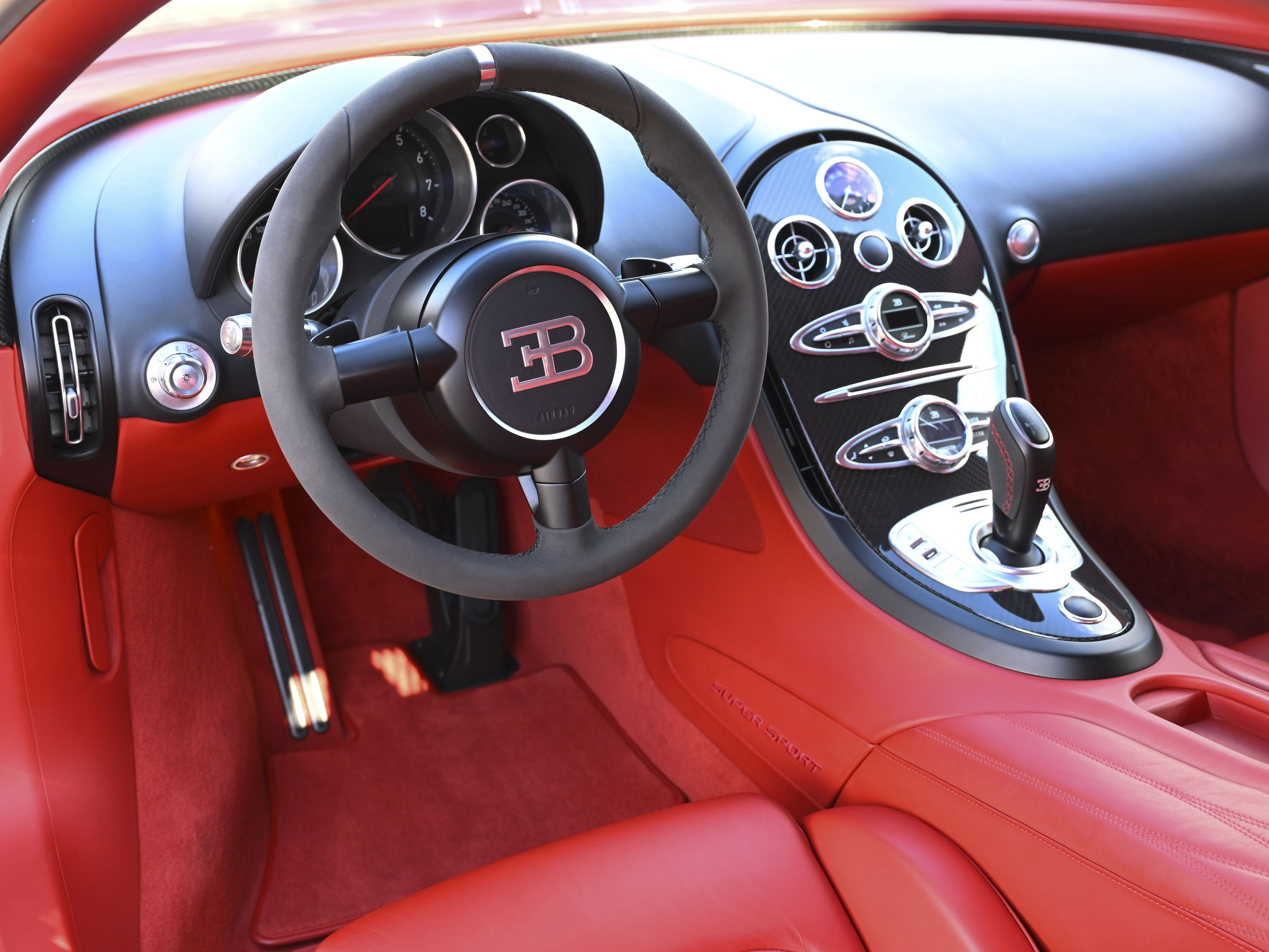
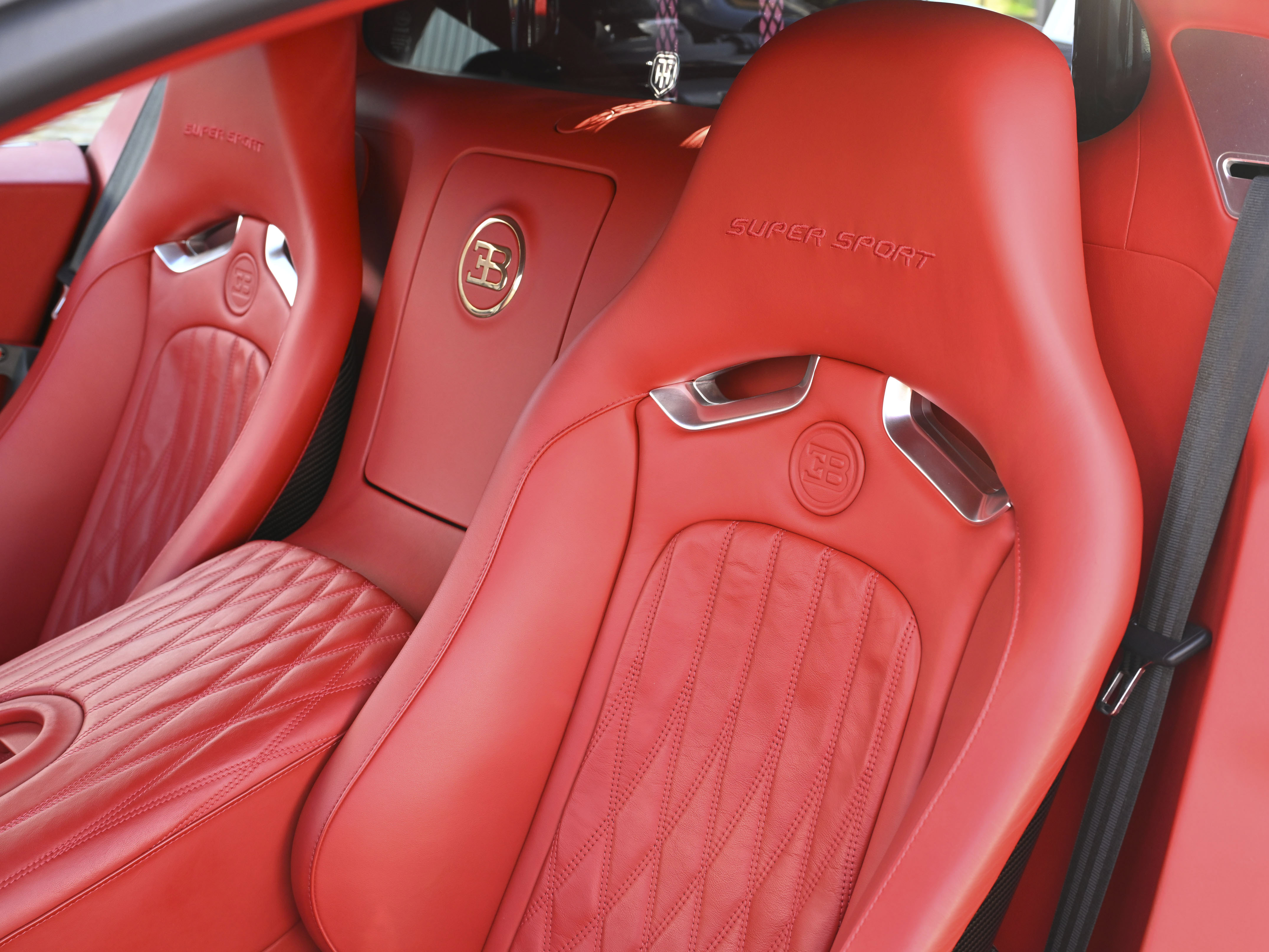
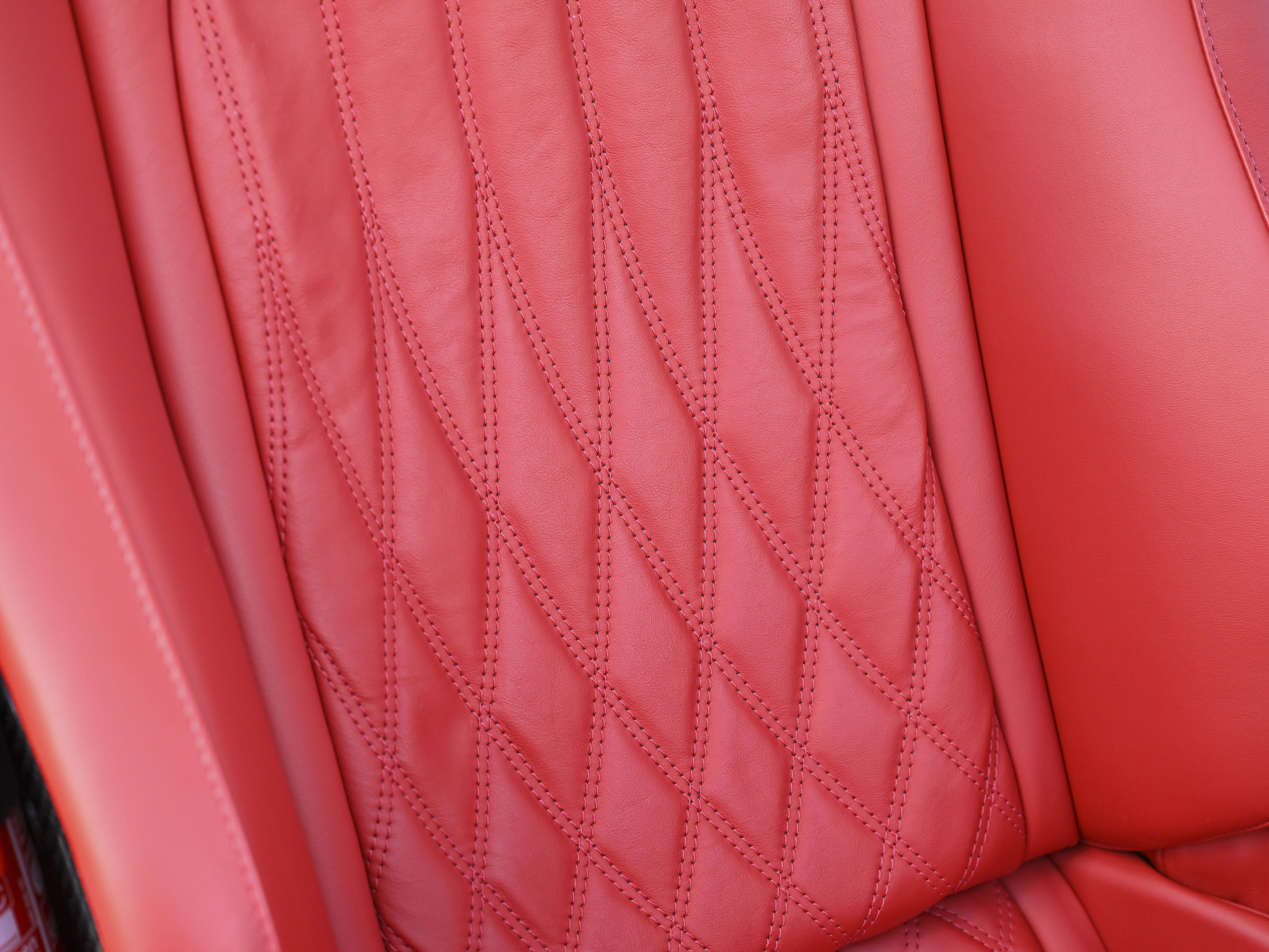
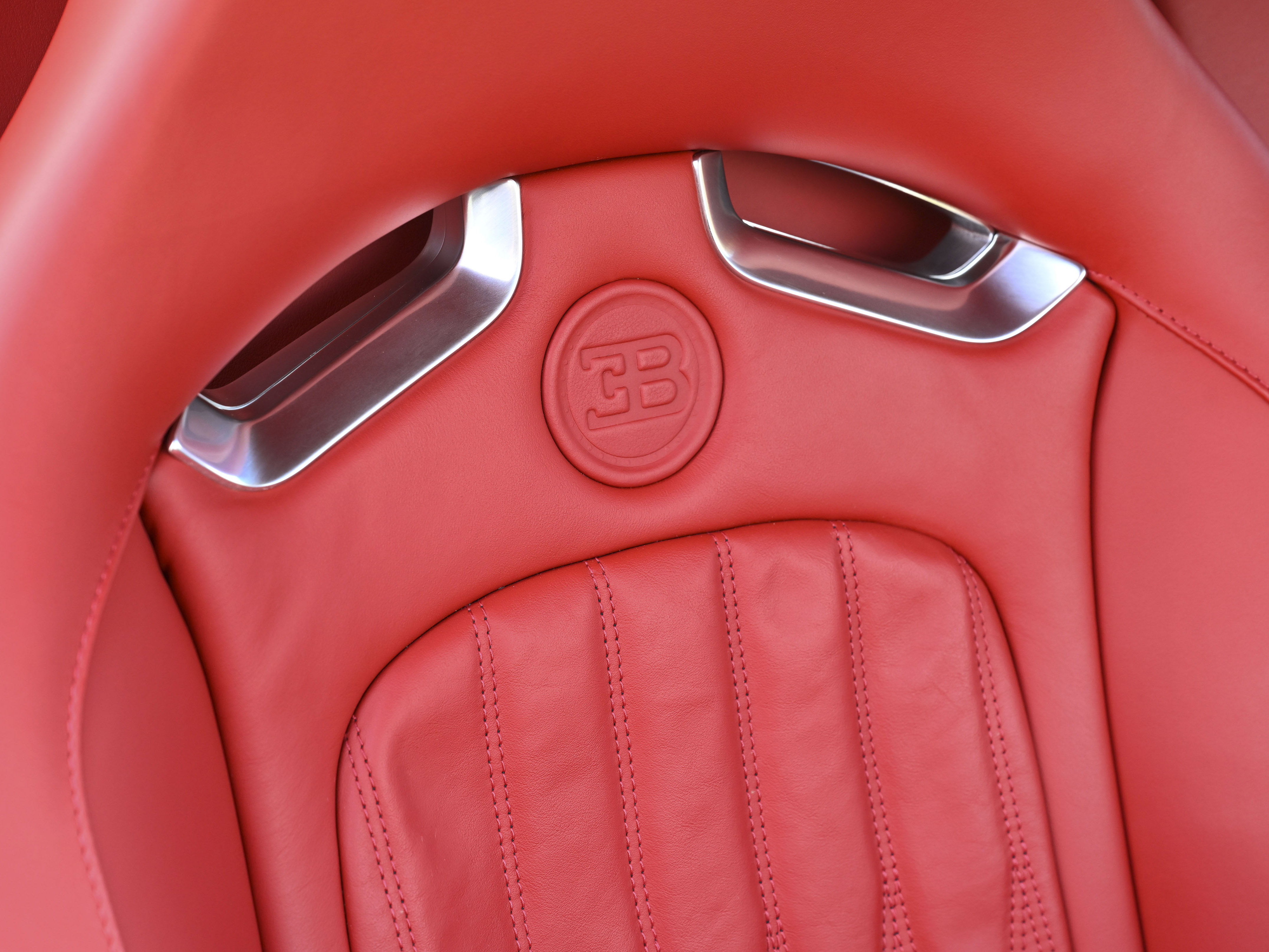
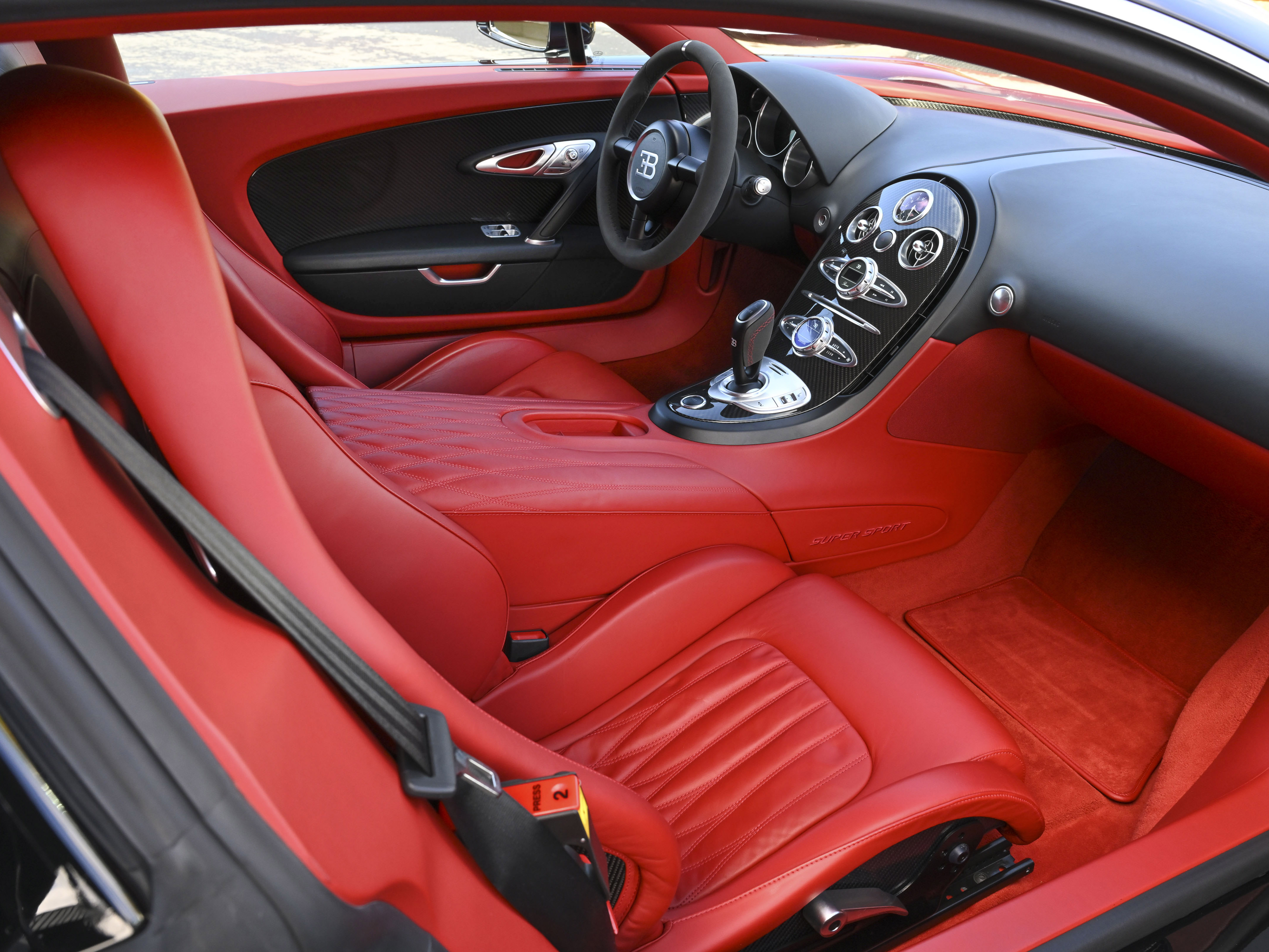
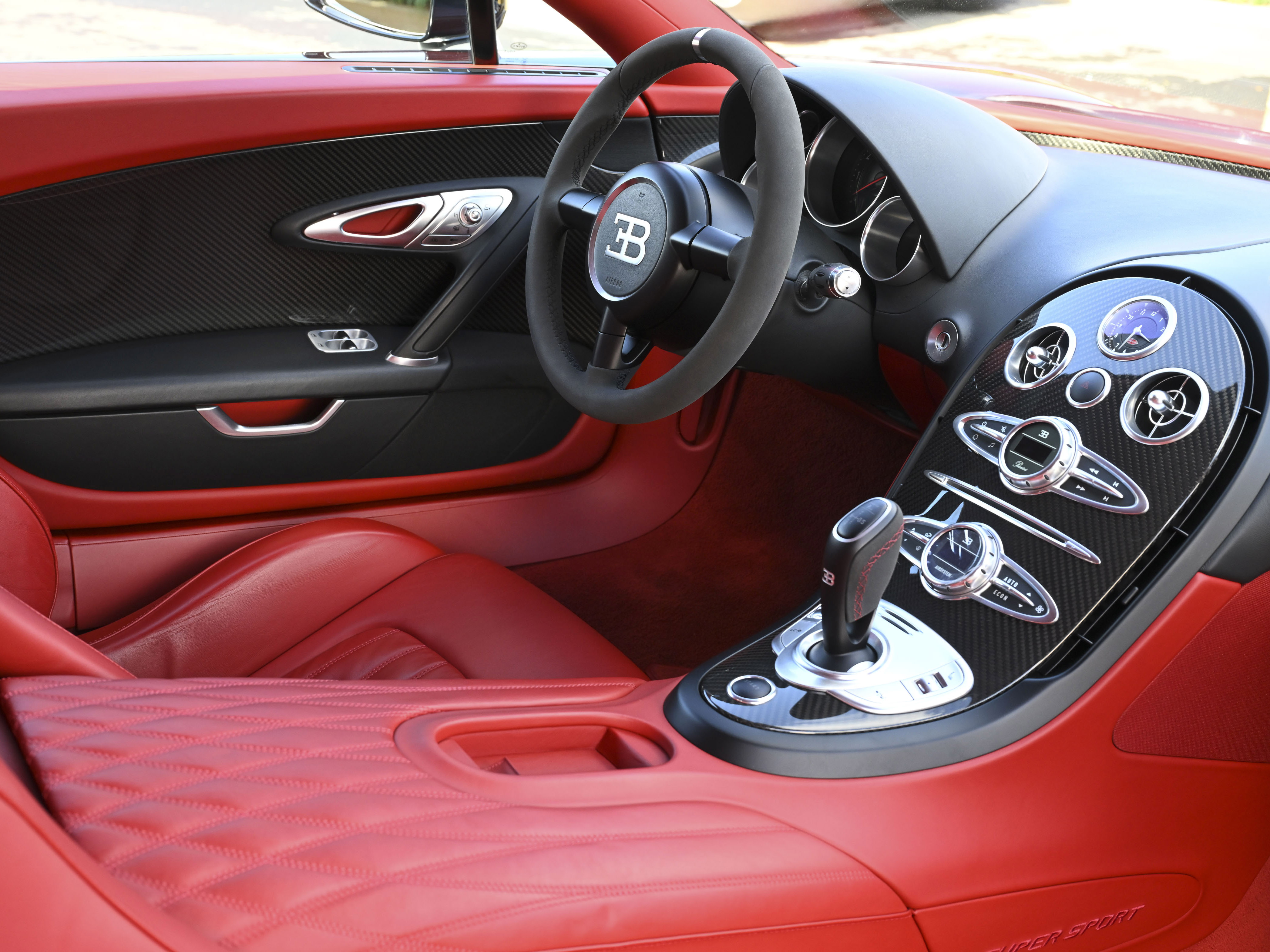
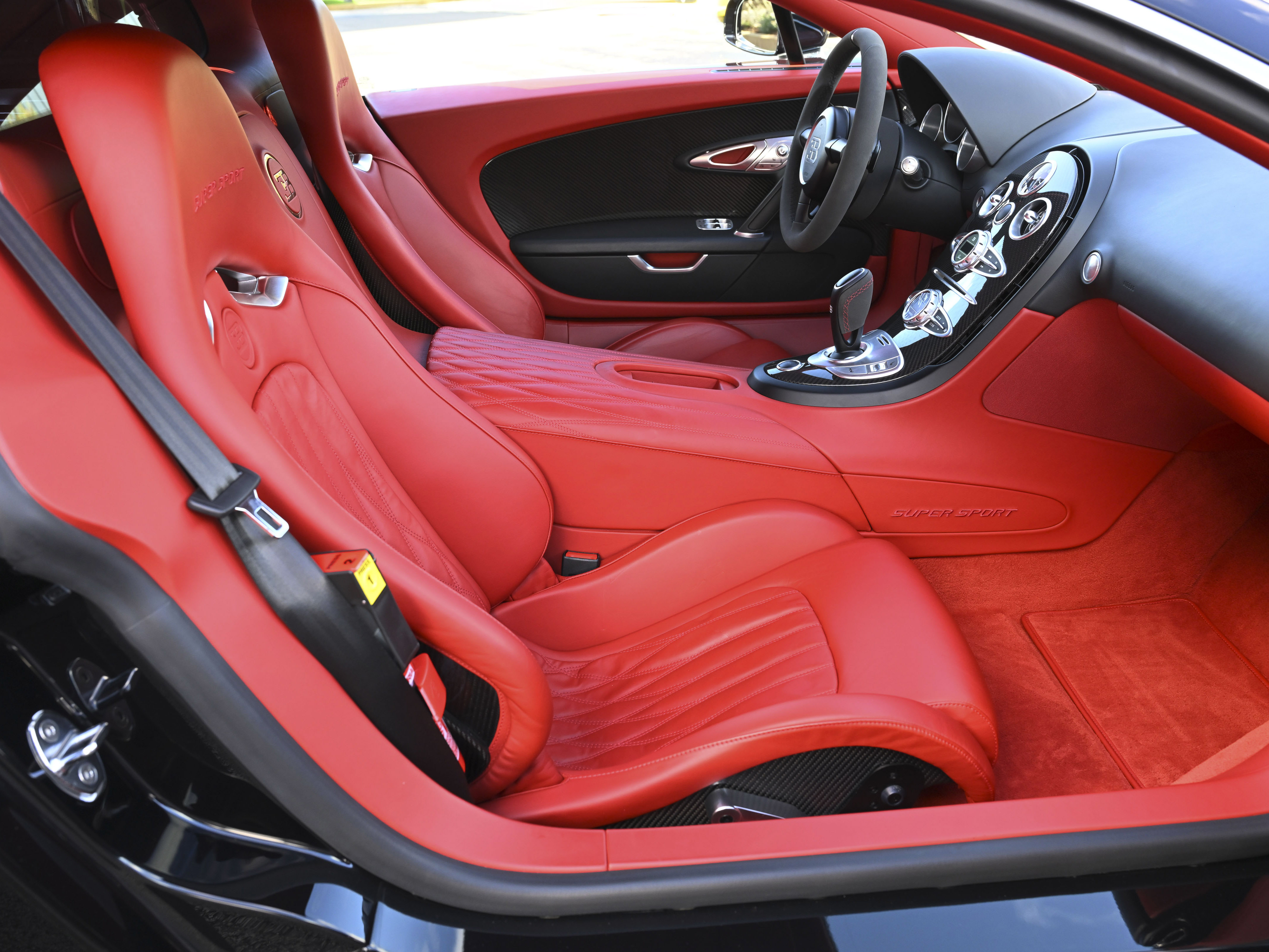
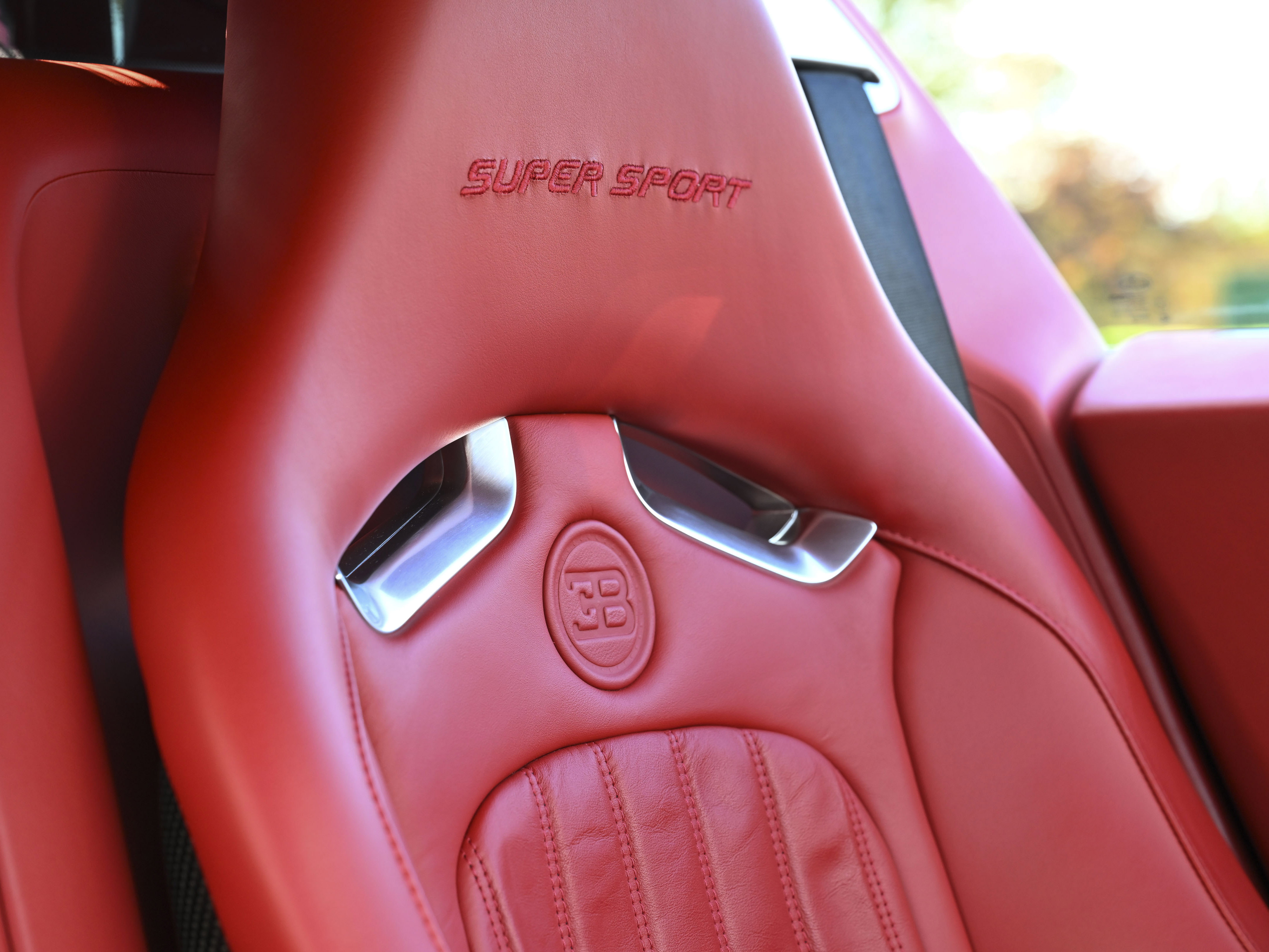
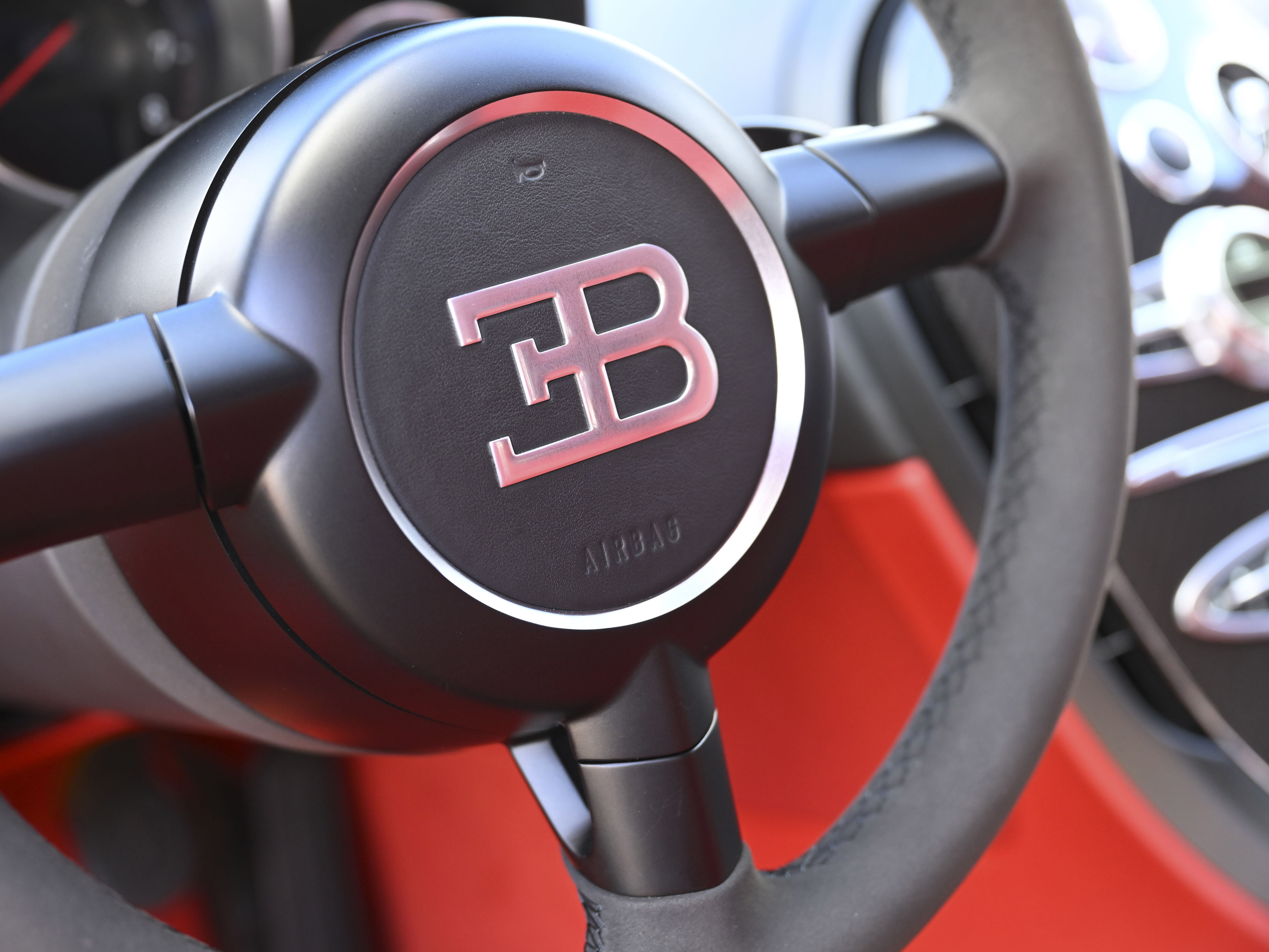
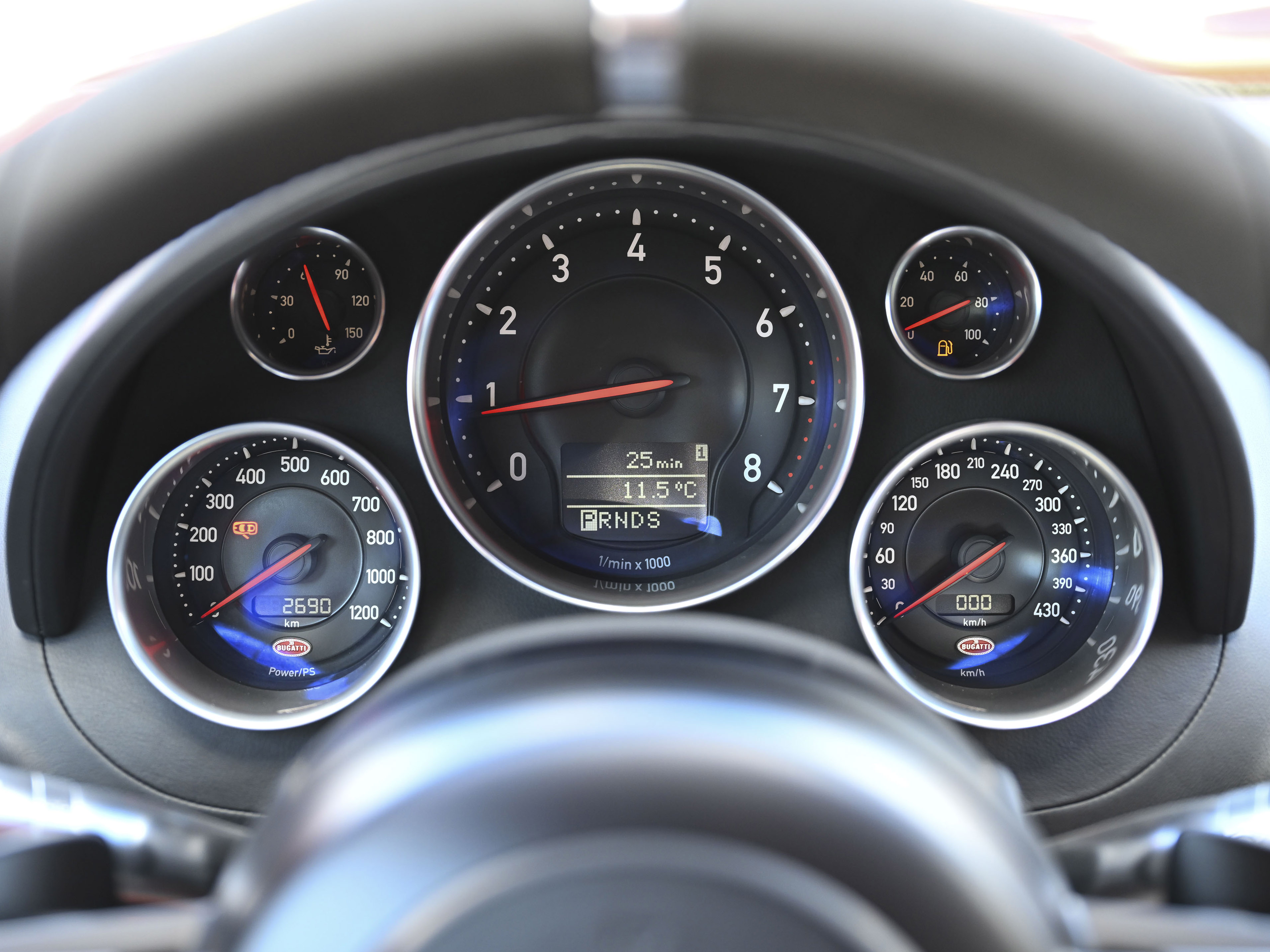
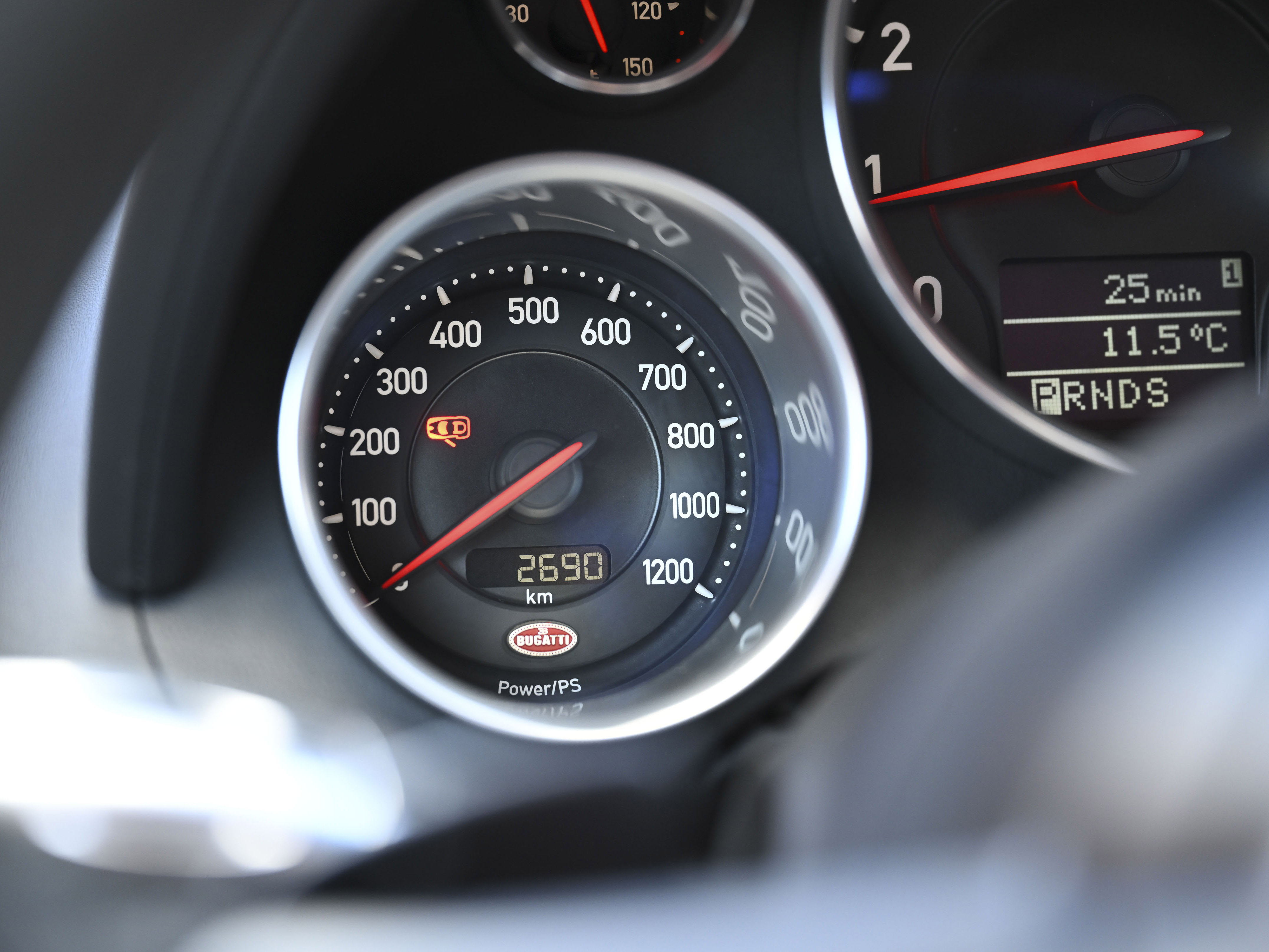
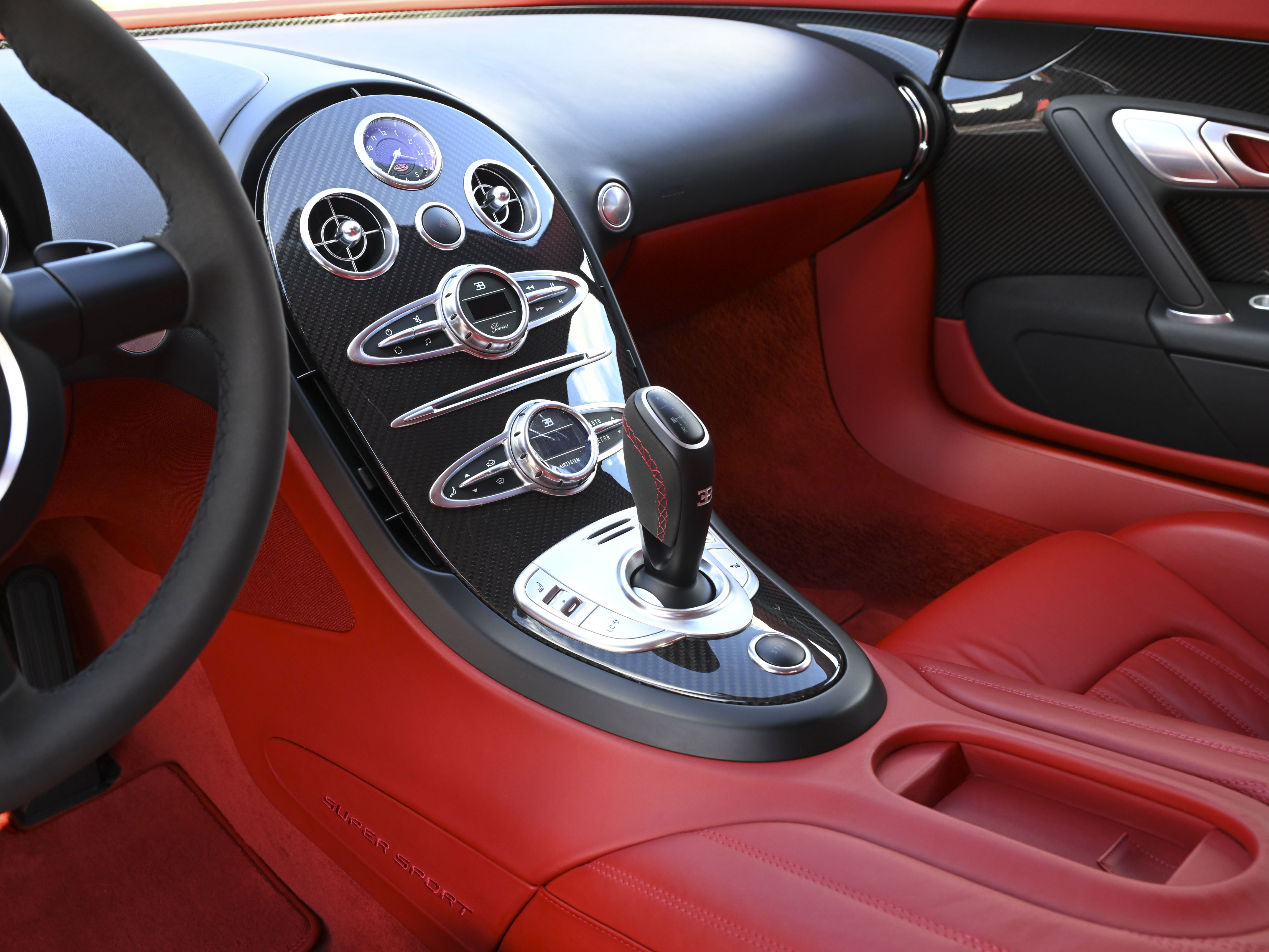
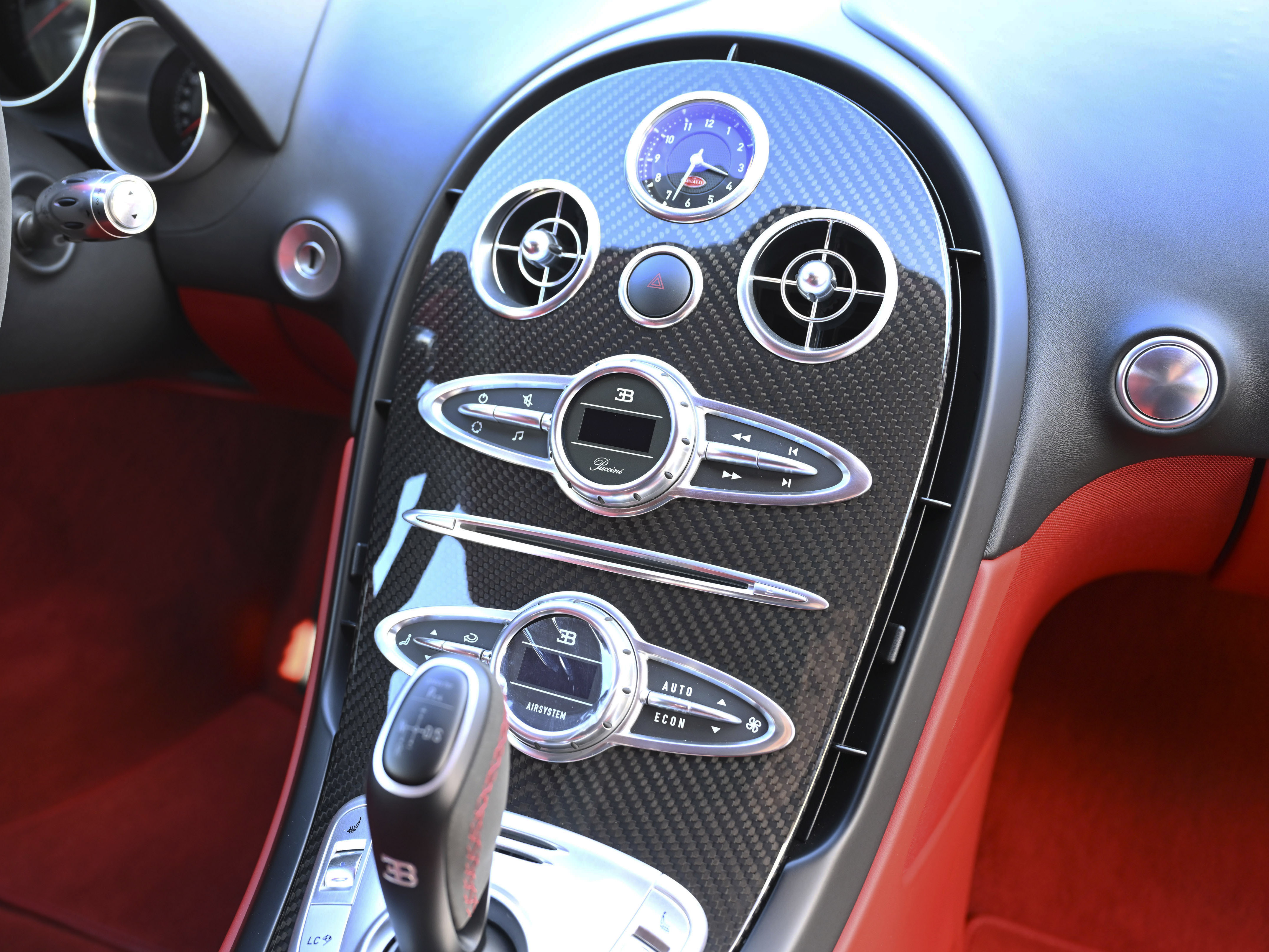
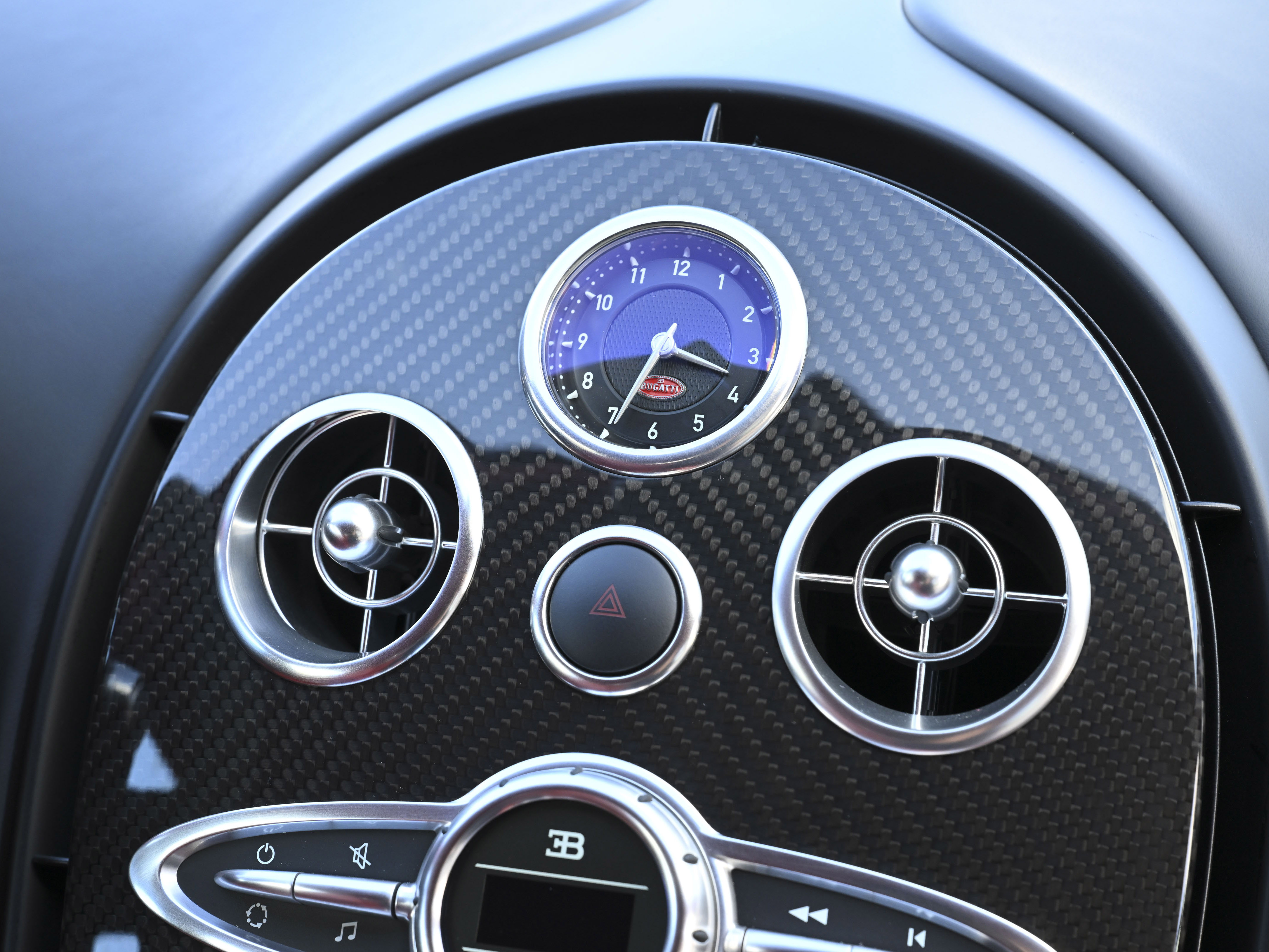
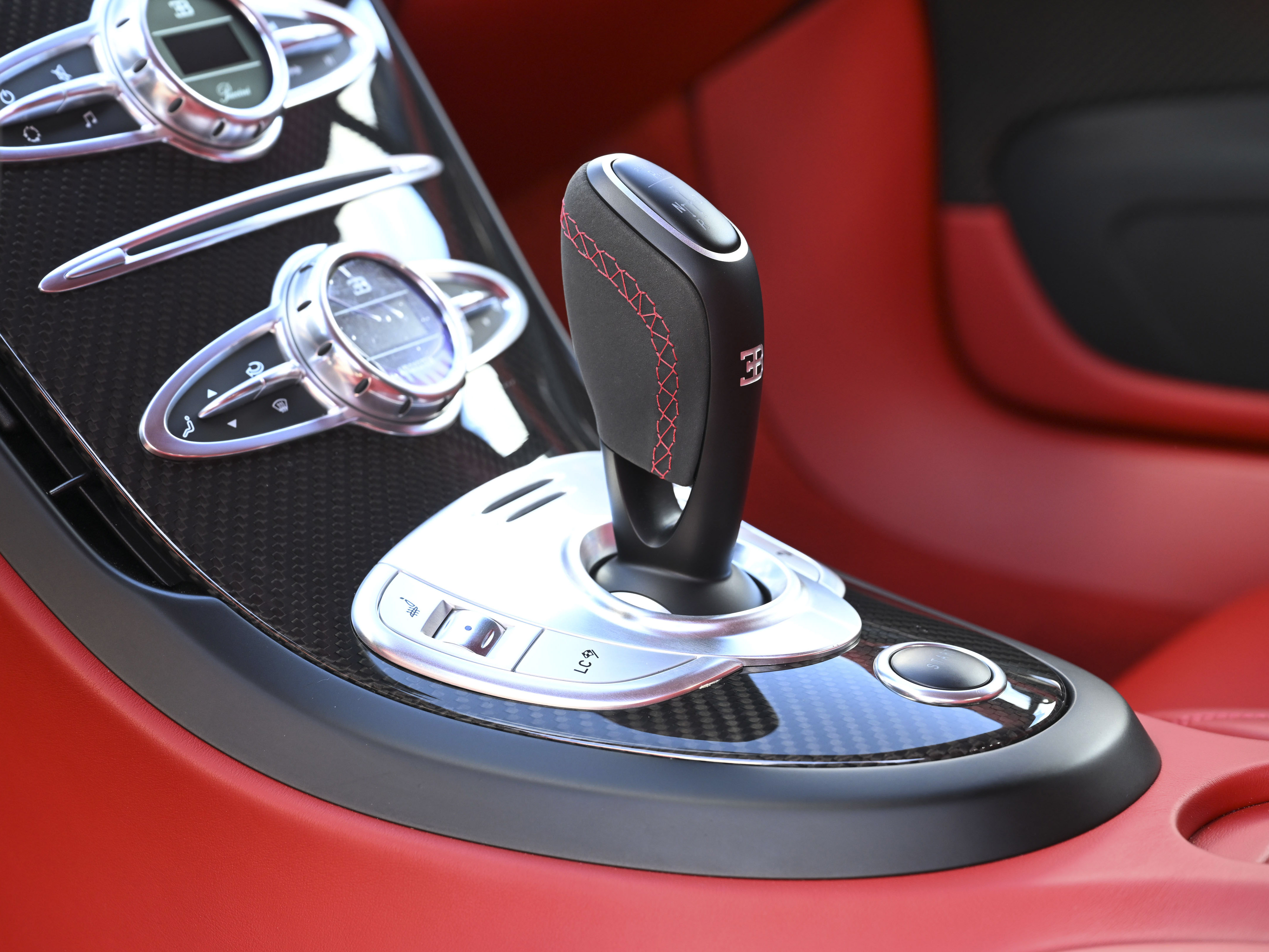
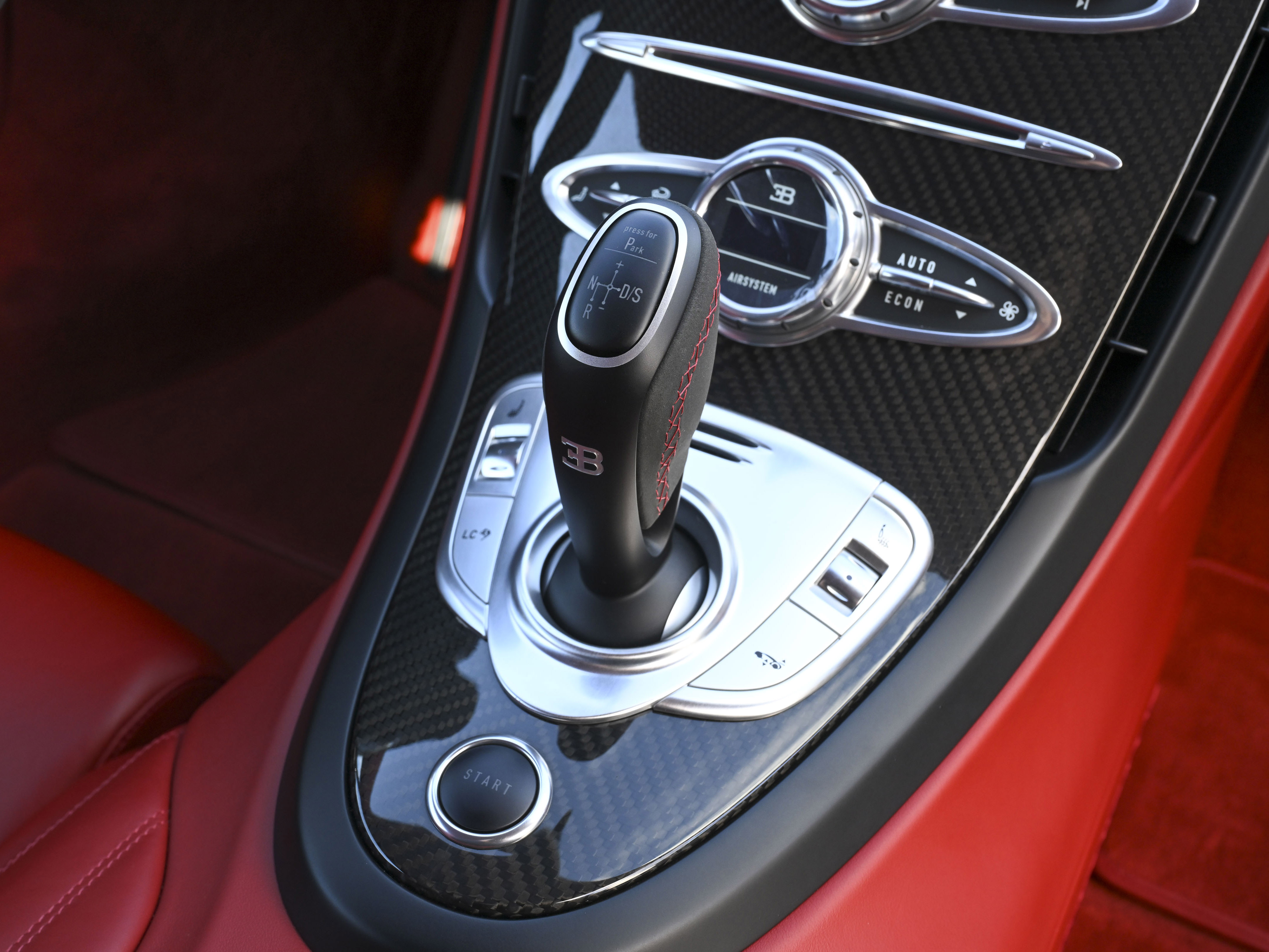
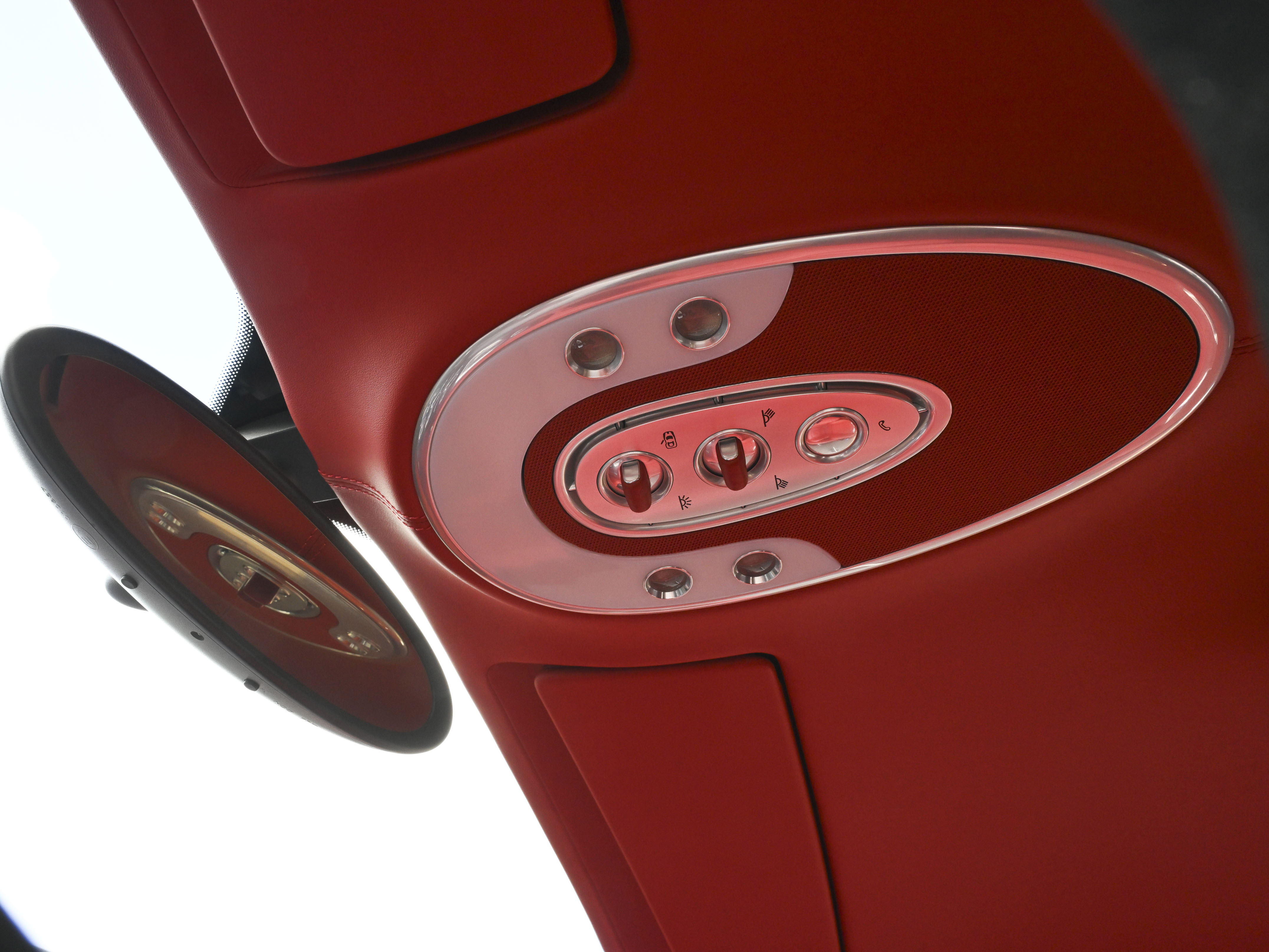
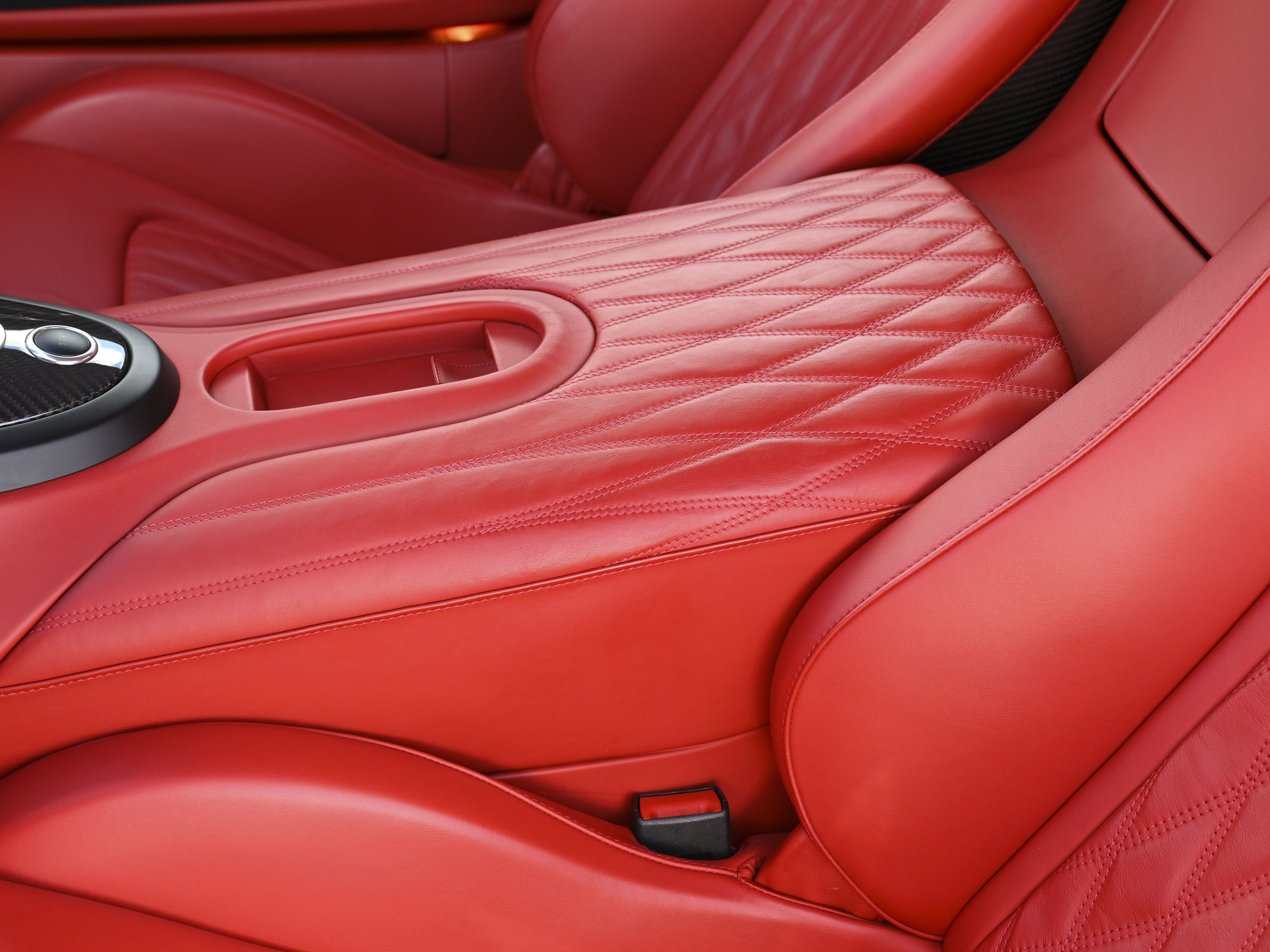
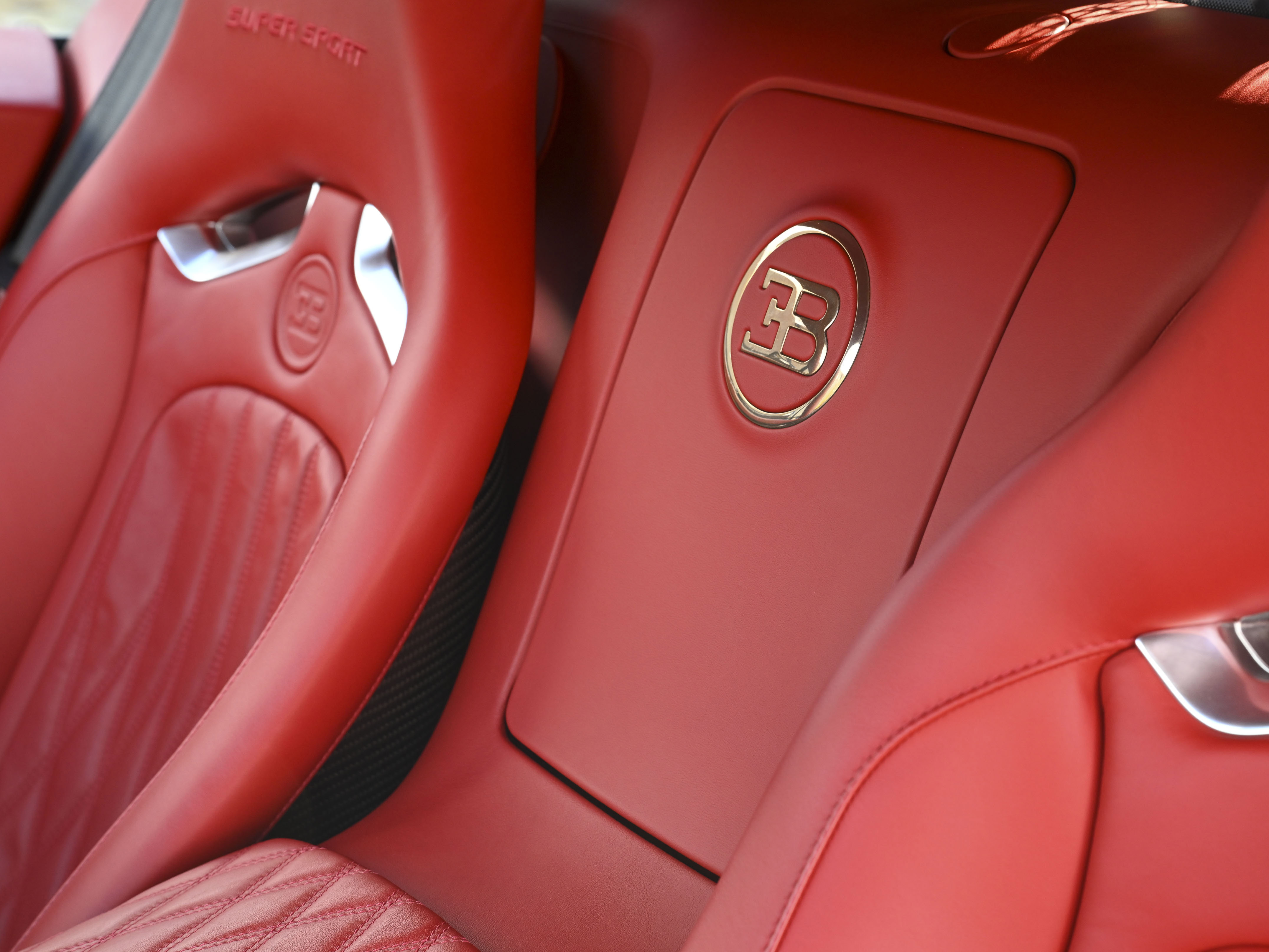
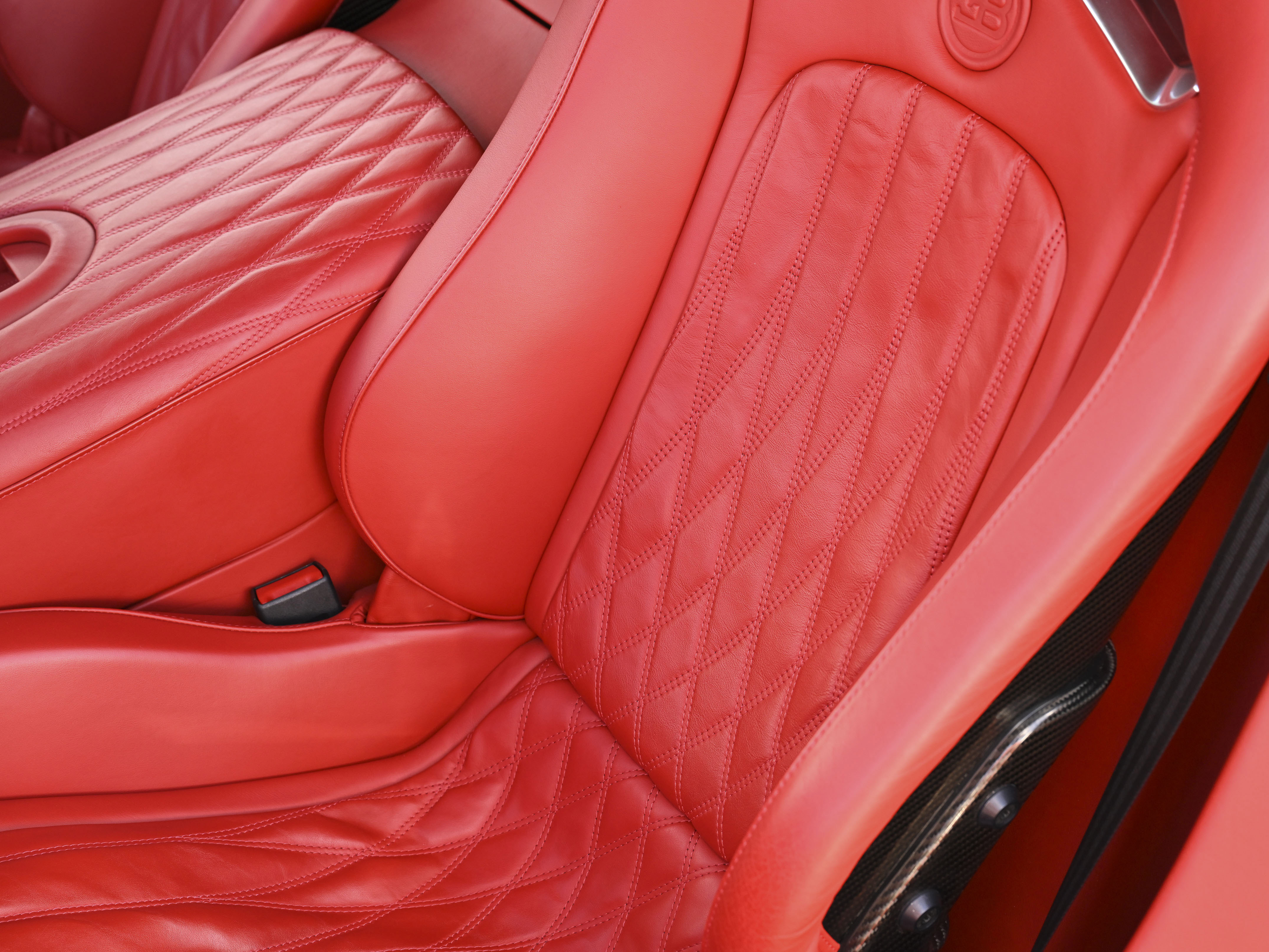
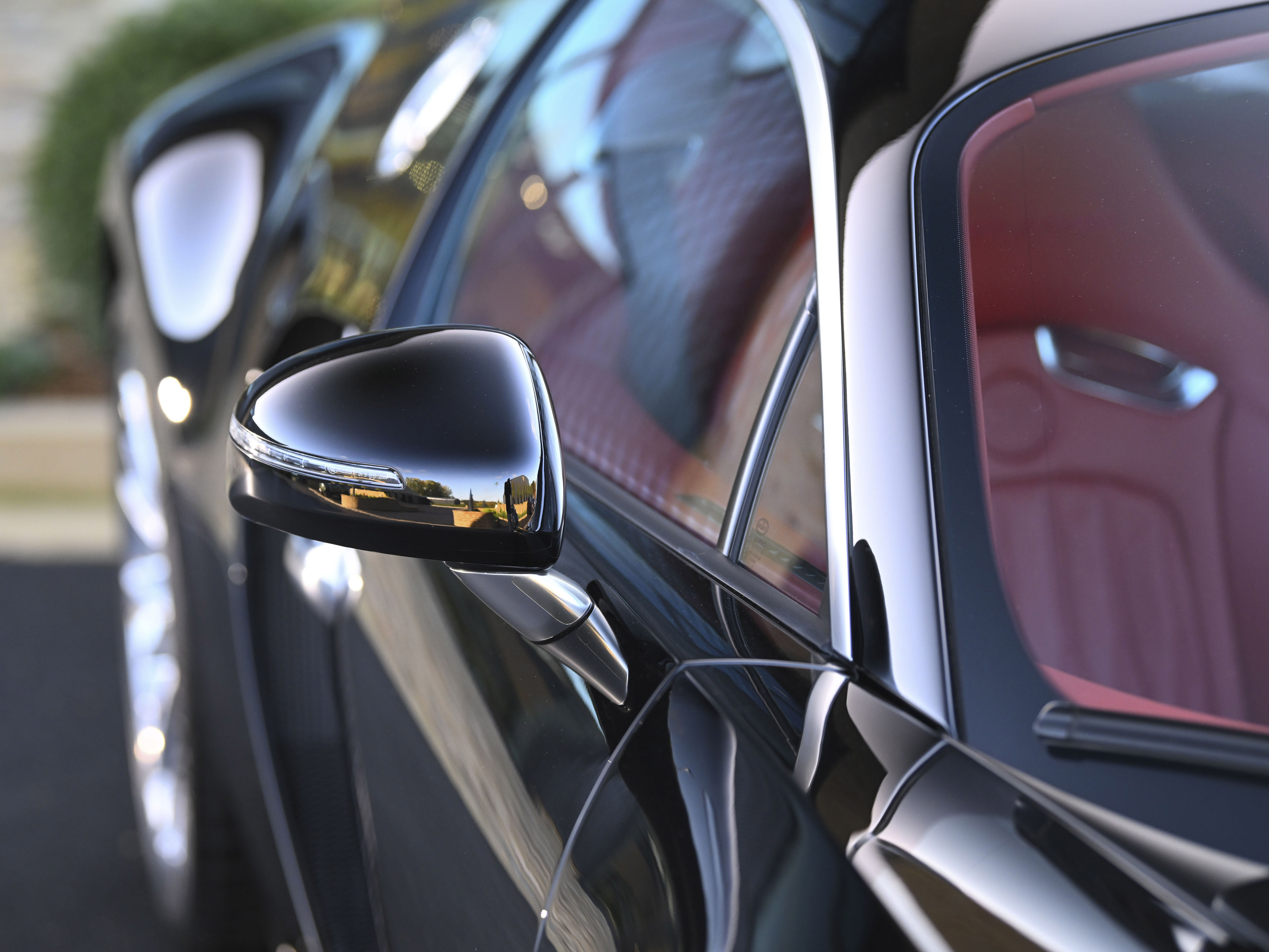
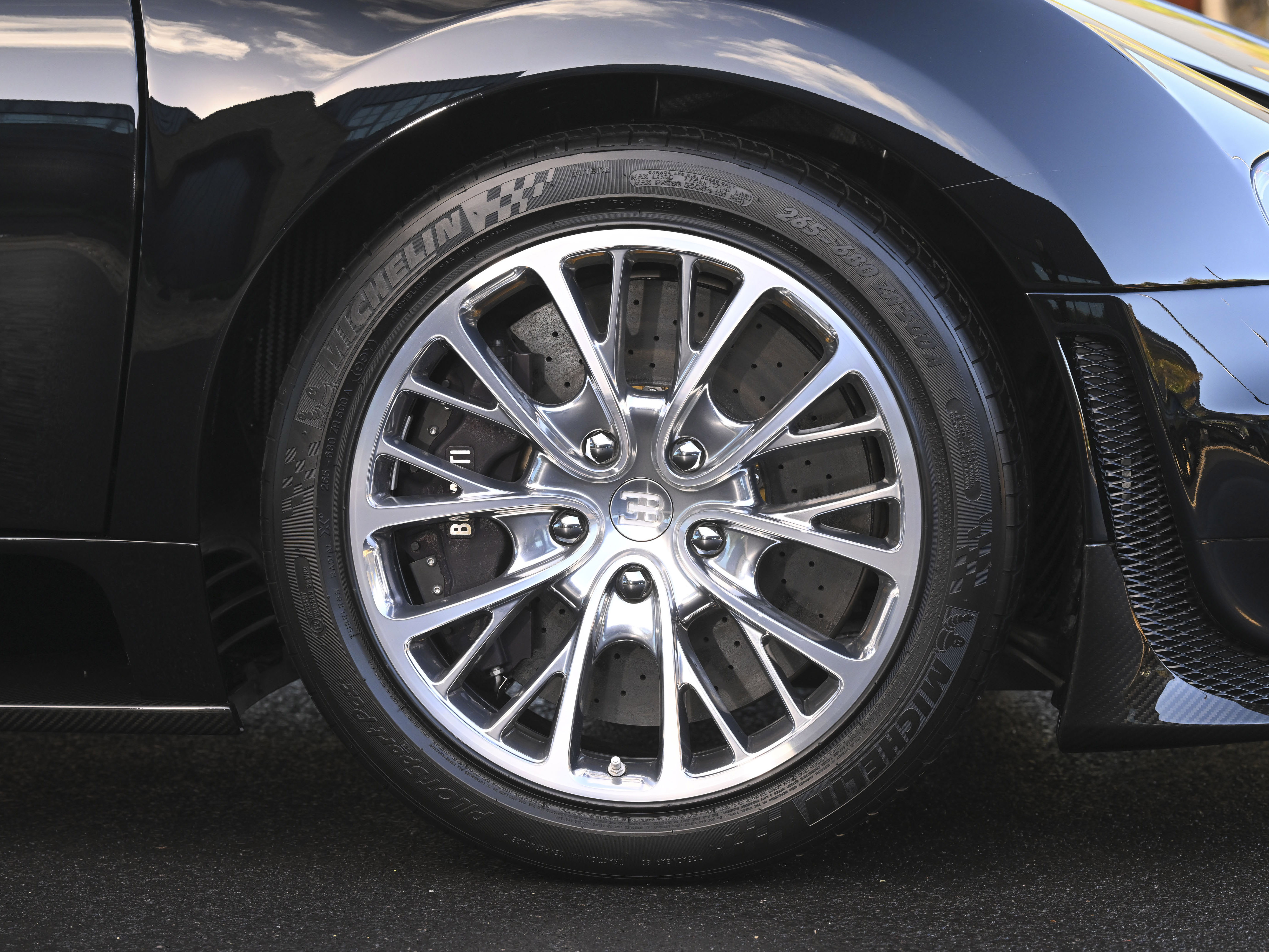
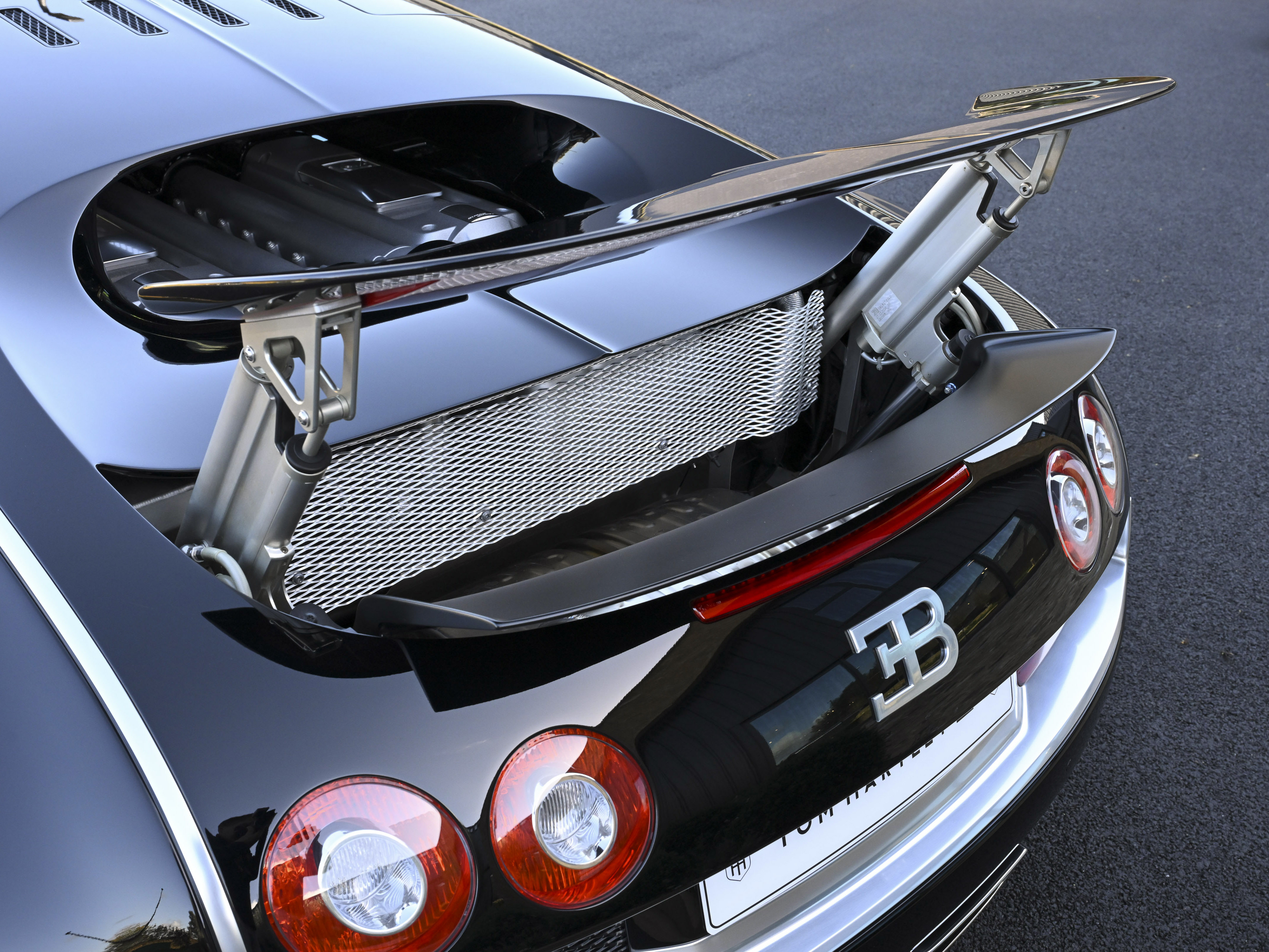
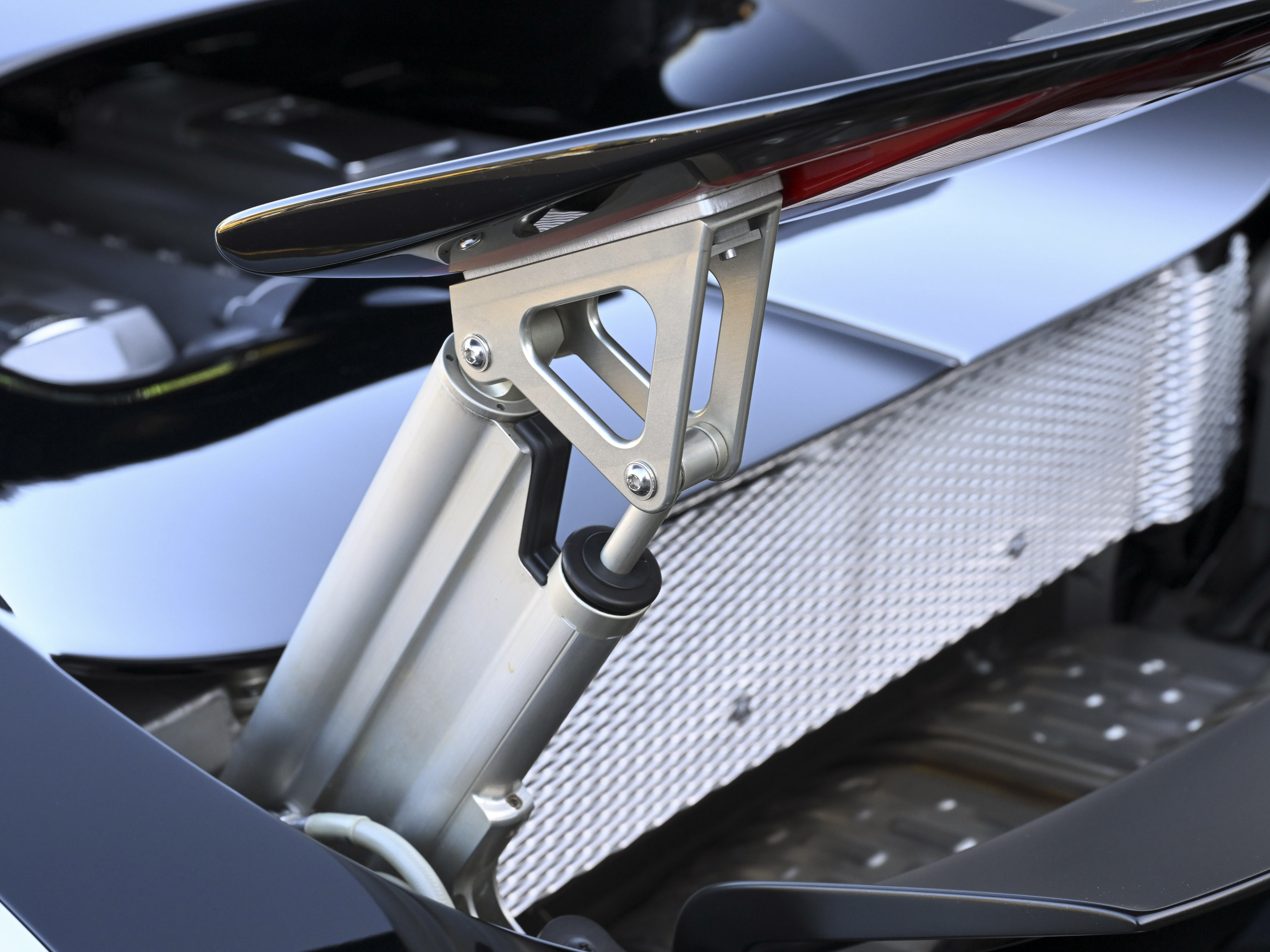
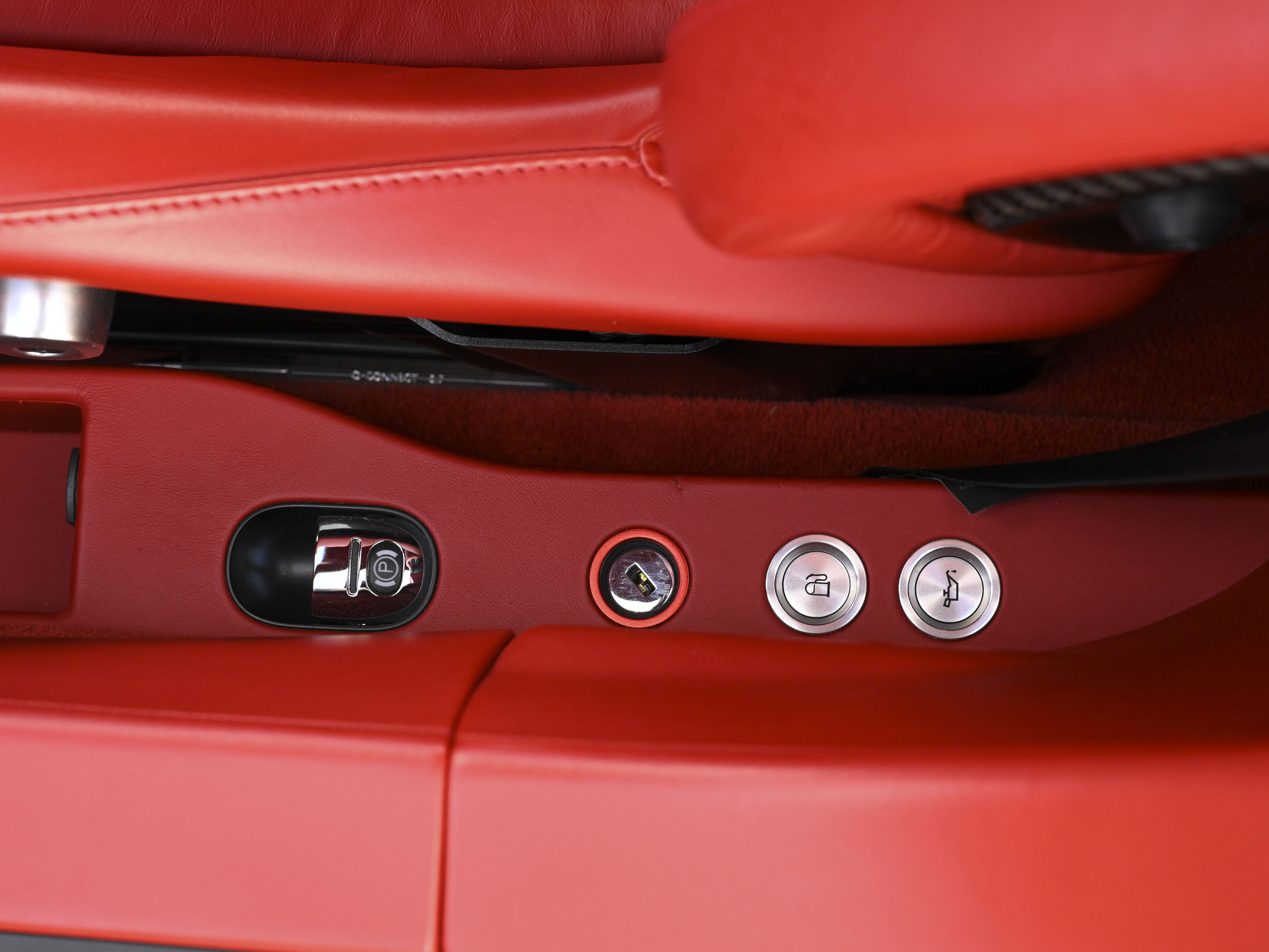
For all its speed, the car remained true to the other half of the brief. Its leather-lined cabin and carefully finished controls are as suited to an evening at the opera as to a long continental journey, and a power gauge reading to 1,200 PS hints at what lies in reserve. Carbon-ceramic brakes and a rear wing that rises to act as an airbrake keep that performance in hand. The Super Sport’s combination of record-breaking speed, uncompromising engineering and grand touring refinement makes it the ultimate development of the car that took Bugatti beyond 400 km/h and one of the defining automobiles of its era.
With single Royal family ownership and fewer than 2,000 miles from new, the beautifully configured car is one of the most finest examples of the model we have ever handled.
Services have been carried out as follows:
04/03/2013 at 988 km at the factory in Molsheim, France
19/11/2014 at 1,184 km at the factory in Molsheim, France
17/11/2016 at 1,344 km at the factory in Molsheim, France
04/12/2017 at 1,496 km at the factory in Molsheim, France
03/10/2019 at 1,781 km at the factory in Molsheim, France
10/10/2021 at 1,862 km at the factory in Molsheim, France
17/11/2022 at 1,918 km at the factory in Molsheim, France
28/11/2023 at 2,038 km at the factory in Molsheim, France
12/01/2025 at 2,069 km at an official Bugatti Service Centre
14/05/2026 at 2,612 km at an official Bugatti Service Centre
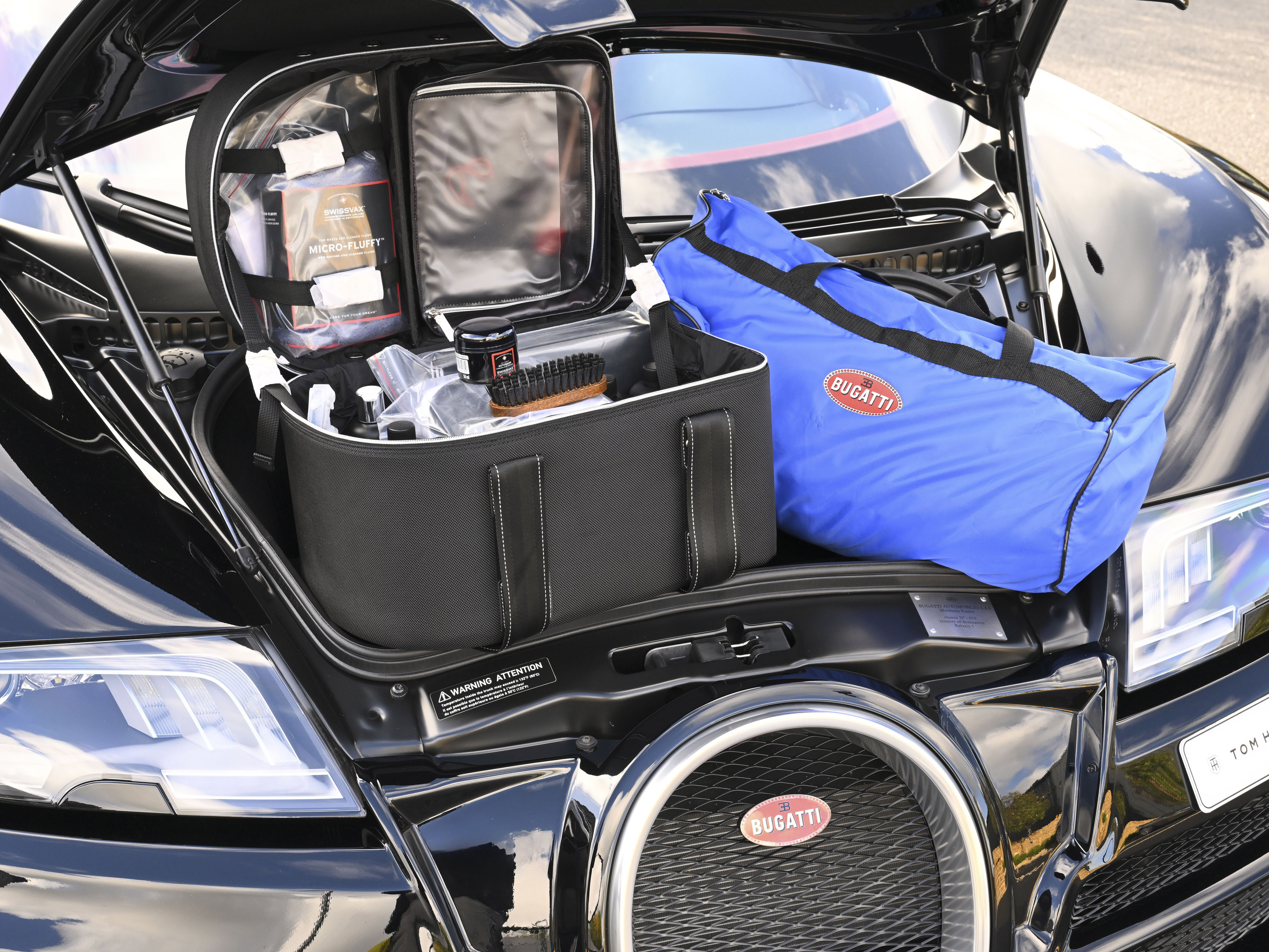
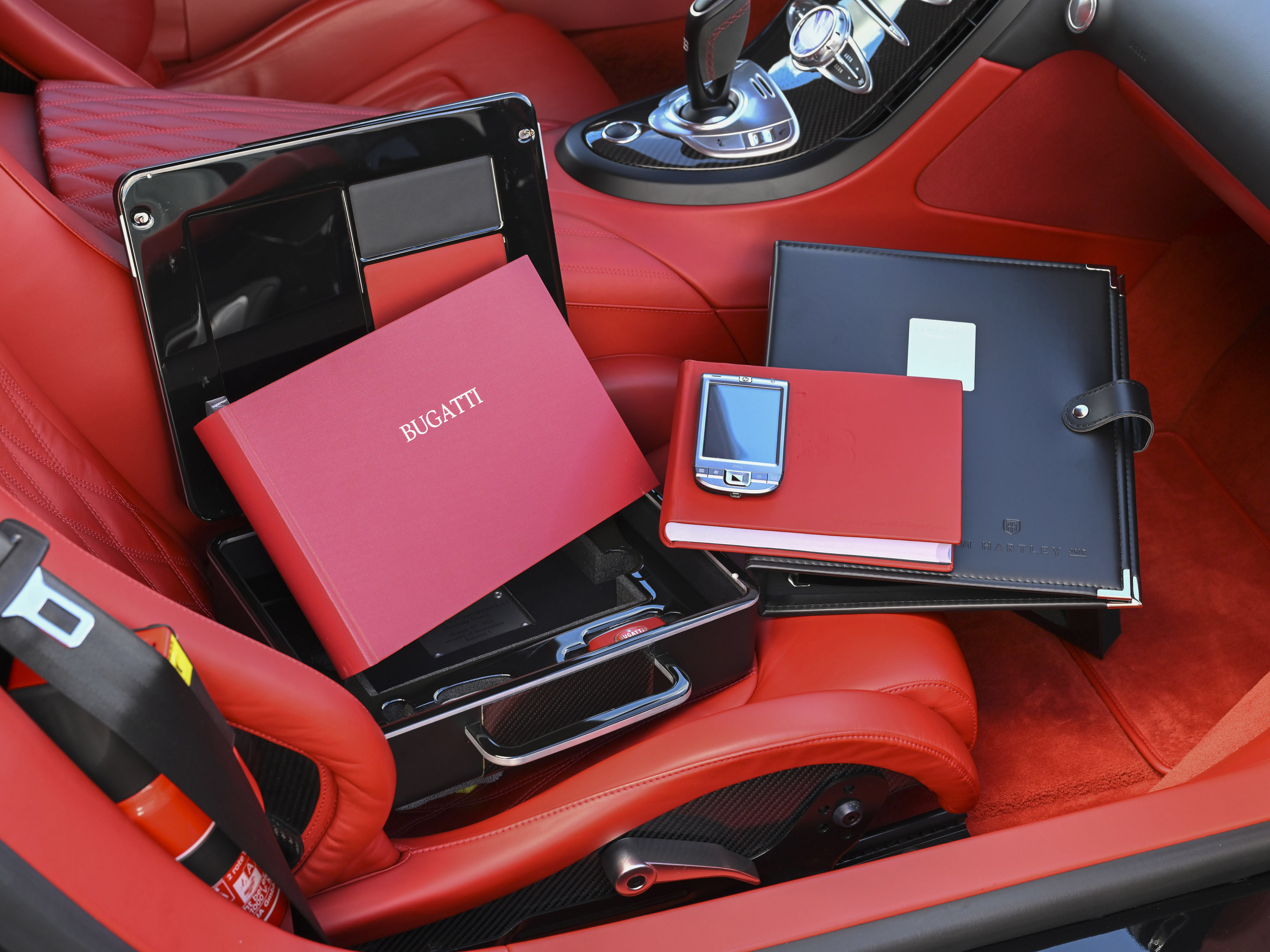
The car is offered complete with its original owner’s handbook/service booklet, spare key, Speed Key, car cover, original datalogger and a dedicated history file, including its factory configuration form.
- Mileage 1,671 Miles
- Body Style Coupe
- Transmission Semi-automatic
- Engine Capacity 7993cc
- Fuel Petrol
- Chassis No. 795010